
Fox agrees to buy Roku for about $22B enterprise value, reshaping TV’s streaming chessboard
The Fox-Roku deal signals a new push to control streaming hardware and distribution, with big regulatory and strategy ripples.
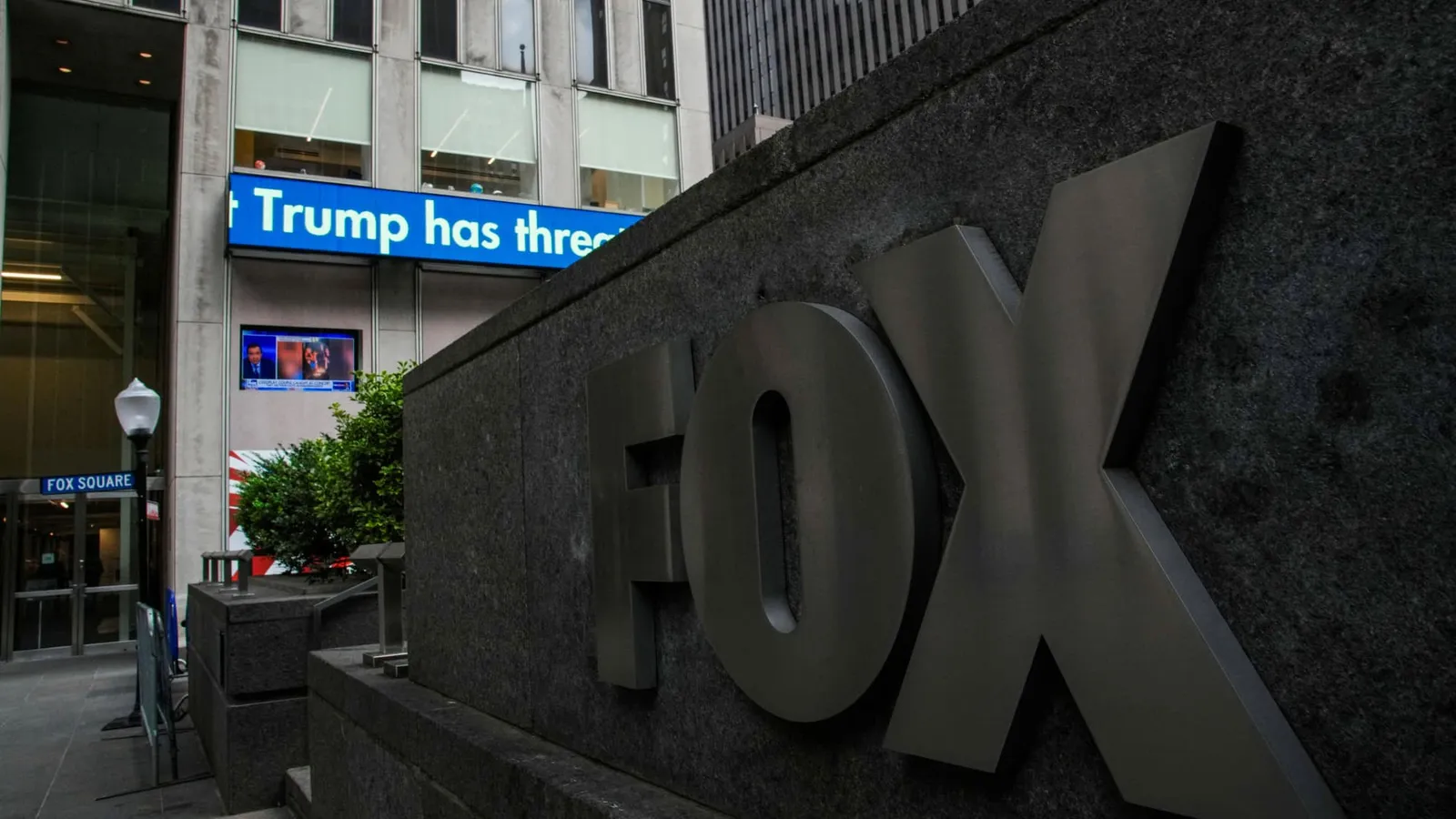
Fox, owner of major news and sports networks, said it reached a deal to acquire Roku for about $22 billion in enterprise value. For decision-makers, the move accelerates consolidation across streaming distribution and forces close attention to deal structure and regulatory review.
Fox said it has reached a deal to acquire Roku for about $22 billion in enterprise value. If you operate anywhere in TV, streaming, or connected devices, that number is not just big. It is a message that the “last mile” of streaming distribution, and the devices that deliver it, are now board-level territory, not background infrastructure.
The buyer is Fox, the owner of news and sports networks. The target is Roku, a streaming device maker. Put them together and you get a strategic pairing that changes where leverage sits in the streaming stack: content owners want direct pathways to audiences, while device platforms can become the front door where viewers search, discover, and press play.
This deal also lands at a moment when streaming businesses are still sorting out who captures value. Content companies have made billions of dollars worth of bets on subscriptions and ad-supported viewing, but distribution remains the choke point. Hardware and platform layers can matter because they influence how quickly and how reliably users get to a stream, what shows up prominently, and how measurement and monetization work across a TV living room.
Fox is not just buying a product line, it is buying a distribution asset that can lower friction between viewers and streaming content. Roku devices sit in millions of households and can act like a control center. From an operator’s perspective, that can mean more predictable access to audiences, more direct demand signals, and more leverage in negotiating how content is positioned on the platform. From a board’s perspective, it is also about owning capabilities that otherwise require constant partnerships, platform dependence, and revenue-sharing arrangements.
Now zoom out to the financial and governance lens. The source reports “about $22 billion in enterprise value,” which matters because enterprise value is the way acquirers and markets think about a business inclusive of capital structure, not just a headline equity number. That framing often signals how complex the funding and integration planning may be, especially when a buyer spans media and an adjacent technology category. For management teams, those details determine everything from how the acquisition is financed to what synergy goals are realistic, and how quickly integration can proceed without damaging the platform.
There is also the regulatory angle that comes with media and distribution. Deals involving major news and sports networks, and platforms that can affect consumer access to streaming content, commonly trigger scrutiny around competition and control of distribution channels. Regulators typically ask whether a combined company could disadvantage rival services, limit interoperability, or skew discoverability in ways that harm competition. Even without assuming any specific outcome, the mere size and category overlap usually raises the bar for documentation and remedies.
Second-order effects are where boards should stay sharp. If Fox secures more influence over streaming access through Roku, other content owners may accelerate their own platform strategies, whether by deepening relationships with device makers, building more direct-to-device paths, or changing how they negotiate placement and promotion. Meanwhile, device ecosystem partners might rethink their bargaining positions and diversify away from any single large counterparty. And if the industry learns that owning distribution infrastructure meaningfully shifts monetization leverage, it could trigger a new wave of deals in the streaming hardware and platform layer.
For executives at media companies, telecom players, or streaming platforms, the core question becomes: where is the “switch” that controls the viewing experience? Today, viewers can be one click away from many choices. But distribution infrastructure, user interfaces, and platform economics can decide which options are easiest to find and which services can sustainably grow. Fox acquiring Roku for about $22 billion in enterprise value suggests that at least one major player believes the answer is closer to devices and platforms than it is to pure content libraries. The strategic stakes are clear: whoever owns the access layer can shape both revenue and bargaining power for years.
This story's Key Insights and Take-aways are locked.
Create a free account to unlock Executive Actions for one credit.
Register to UnlockAlways free for Executives Club members. Join the Club
More in Business

Anthropic's S-1 reveals $80.7B loss as it races OpenAI to IPO
The Claude maker files publicly for a Nasdaq listing under 'ANT,' exposing staggering losses and a world-altering ambition before it can beat OpenAI to the market.

A flaw in PHP just forced governments to pull their own sites offline
European agencies from Belgium to Germany took websites dark to patch a critical weakness in the language behind almost 70% of the web, and the blast radius extends far beyond government portals.

BioWare shuts down, Mass Effect 5 dead after $55B EA buyout
The legendary RPG studio's closure lands months after a $55 billion investment group buyout of EA, raising tough questions for gaming's biggest acquirers.