
France’s wildfires turn into a political test no president can afford to fail
As the country heads toward its next presidential election, environmental disaster is reshaping campaign risk in real time.

France’s next presidential election is arriving under the shadow of the country’s latest environmental disaster. For decision-makers, the immediate consequence is that wildfire fallout is becoming a governance and political legitimacy issue, not a side headline.
France’s next presidential election is suddenly less about slogans and more about smoke. The glow of the country’s latest environmental disaster is turning into a political amplifier, making the coming campaign feel more ominous than political observers probably wanted it to be. When wildfires dominate the news cycle, they do not just burn landscapes. They burn trust, strain public services, and force leaders to explain what they did before it got this bad.
That is why this moment matters for people thinking about governance, capital, and regulation. In the run-up to an election, France will not be able to treat environmental response as a technical footnote. The election itself becomes a referendum on readiness: whether institutions prevented the worst, whether agencies coordinated fast enough, and whether emergency plans can function at scale. In other words, the disaster is now part of the ballot calculus, even if no one formally lists “wildfires” as a platform plank.
To understand how quickly a natural disaster can hijack politics, it helps to know how modern elections work. Voters reward visible competence and punish delays. A wildfire is not just a crisis event. It is a timeline with chapters: early warnings, prevention measures, land management decisions, evacuation readiness, firefighting capacity, and recovery funding. If any chapter looks sloppy, the political cost tends to compound. That makes election season especially unforgiving. Campaigns are built to react, but disaster response punishes slow political learning.
There is also a regulatory and institutional layer beneath the drama. Environmental disasters do not stay in the weather. They push governments to tighten rules, review spending, and rethink oversight. After a severe event, politicians often face pressure to justify existing frameworks, adjust permitting or land use approaches, and reallocate budgets toward prevention and response. Even if the initial response is operationally strong, the longer-term questions become political: Were the right standards in place? Were they enforced? Did agencies have sufficient resources and modern systems? These are exactly the kinds of questions that do not go away quickly, which is why wildfire coverage can linger into election debates.
For executives, the second-order implications are clear. When wildfires become a political main character, they influence how governments plan. That can affect procurement decisions, emergency logistics, insurance and risk management norms, and compliance priorities across sectors tied to land, energy, construction, and public infrastructure. It can also affect how boards think about climate risk. Disasters are not abstract anymore. They become a public policy forcing function, and forcing functions tend to drive regulation and spending decisions on short timelines.
France’s situation is a reminder that environmental shocks are governance shocks. They test whether public institutions can coordinate across national and local authorities, whether contingency plans translate into real capacity, and whether recovery efforts are funded in a way that reduces the odds of repeating the same failures. In an election year, there is an additional pressure: political leaders need to show that the country is learning faster than the damage is unfolding. If they cannot, the opposition gets an opening, and incumbents get boxed in.
This is also where capital markets indirectly pay attention, even without a single “wildfire stock.” Policy attention can reprice risk across industries that rely on stable infrastructure and clear rules. If disaster response leads to new standards or faster enforcement, companies may face new costs or new opportunities. Boards will want to ask not only whether they meet current requirements, but whether their operating footprint makes them likely targets for tighter scrutiny. The elections themselves are not the only stake. The political lens can change how quickly and how strictly governments act after the next round of headlines.
So the strategic takeaway for decision-makers is simple, and it is not comforting. In the glow of a wildfire disaster, France’s election is being framed as more than party competition. It is being framed as a test of preparedness and credibility. For executives and boards elsewhere, the lesson is the same: when environmental crises escalate, politics, regulation, and risk management converge. If leadership cannot demonstrate competence in the aftermath, the cost is not just reputational. It becomes structural, shaping the rules and expectations that come next.
This story's Key Insights and Take-aways are locked.
Create a free account to unlock Executive Actions for one credit.
Register to UnlockAlways free for Executives Club members. Join the Club
More in Politics
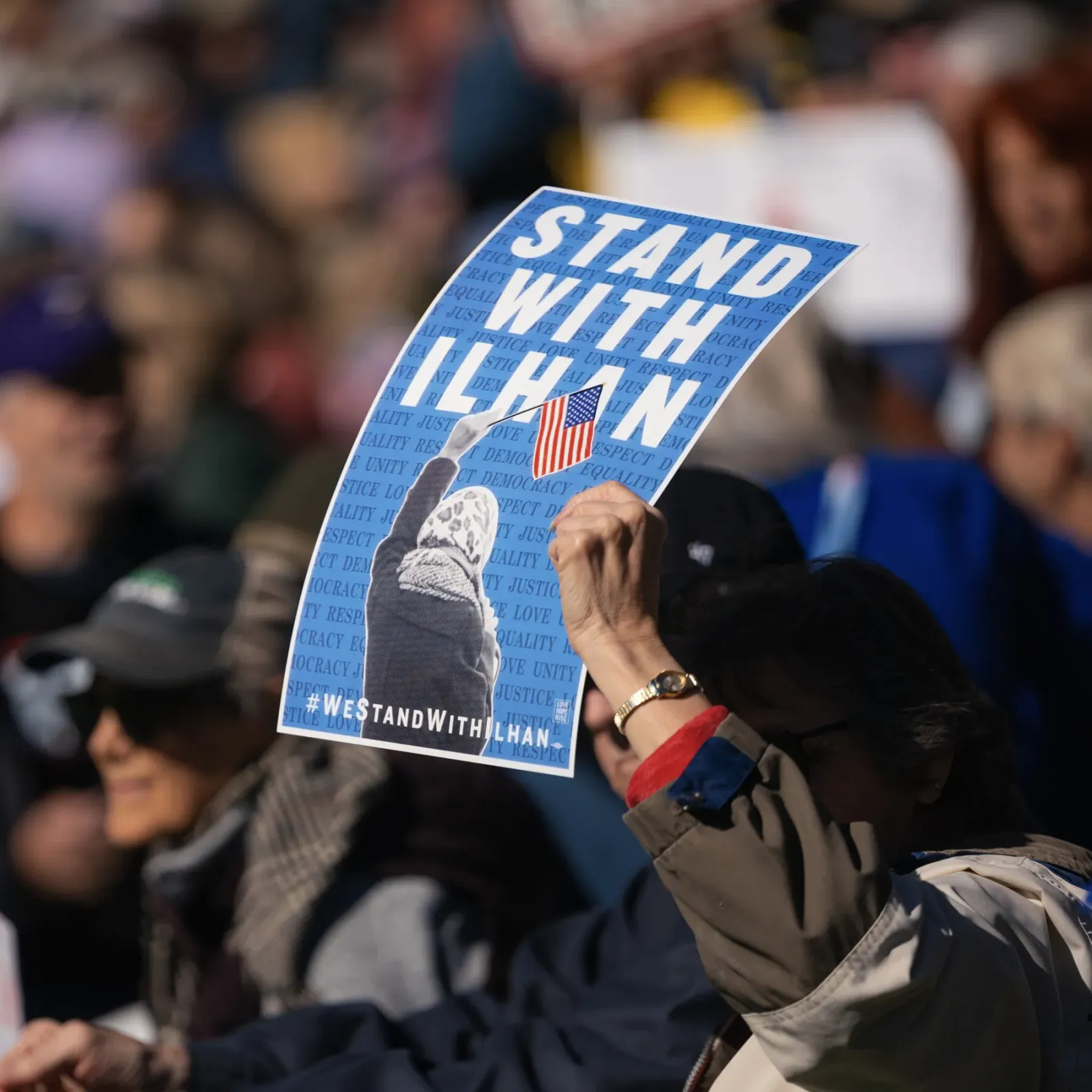
Obama Defends Ilhan Omar After Agents Search Her Home in Trump Inquiry
The former president's intervention raises the stakes in a federal probe into immigration paperwork that has put a prominent progressive lawmaker in the crosshairs.
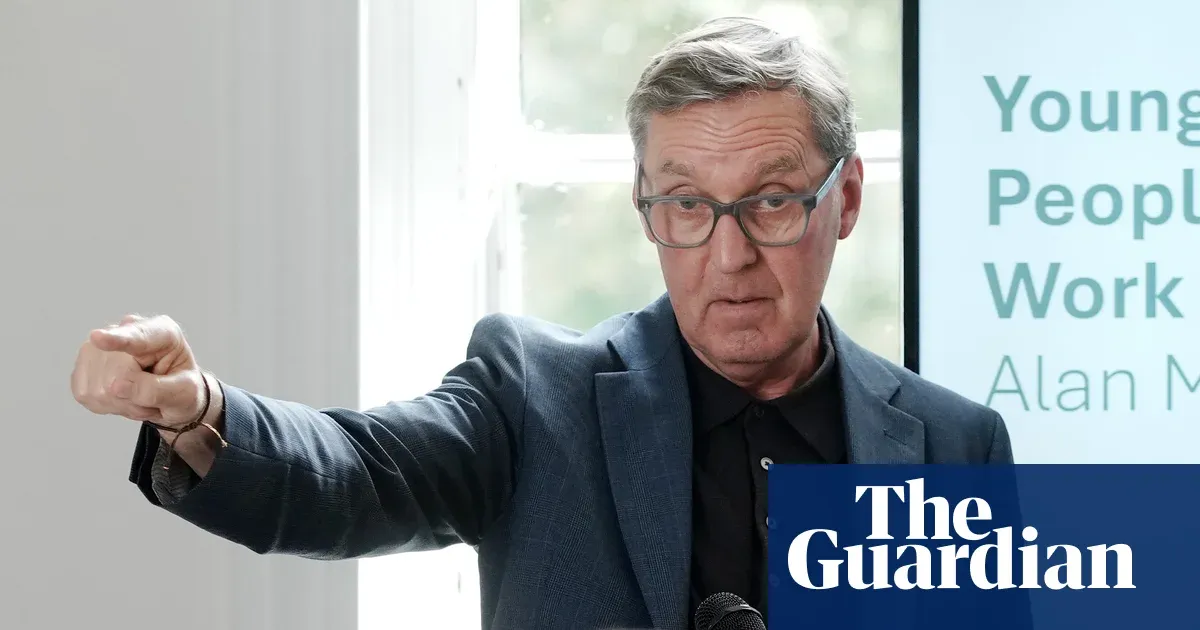
Blair-era minister: cut welfare to fund youth job support
Alan Milburn's call for welfare cuts to fund employment support opens a Labour fight over benefits and the Neet crisis.
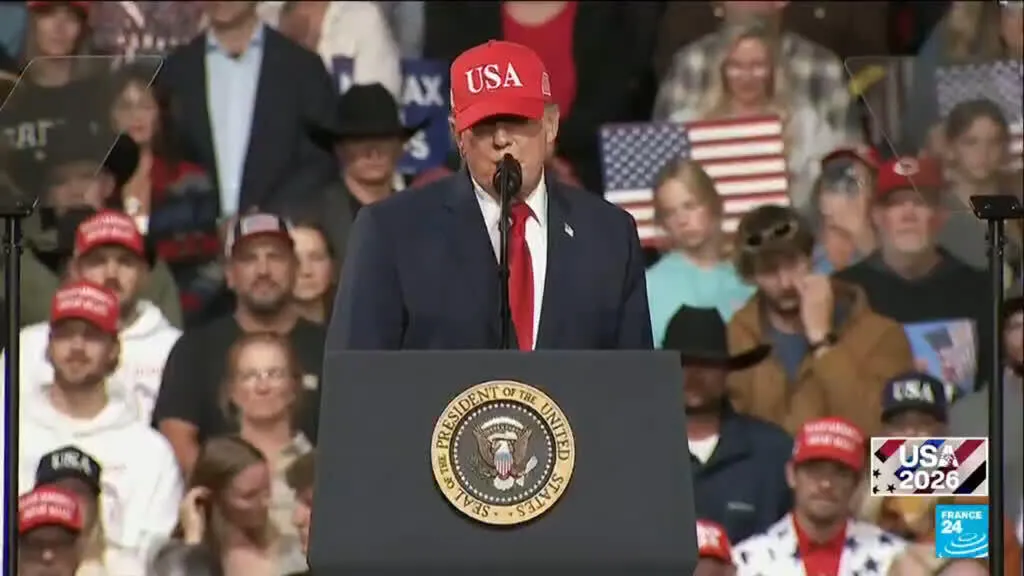
Hot September CPI: energy costs surge, voters feel the squeeze before midterms
The latest inflation print lands as Trump campaigns for GOP control of Congress, putting cost-of-living worries at the center of the midterm fight.