
French heatwave threatens crop yields, pushing supermarket prices higher for shoppers
Farmers warn extreme weather will hit French crops hard, raising costs that can flow into grocery shelves.

A France 24 report says a Europe-wide heatwave has left French farmers warning that many crops will take a severe hit. For decision-makers, that crop shock is a likely driver of higher prices across everyday supermarket goods.
A heatwave sweeping across Europe in recent days is already landing in farmers' fields in France, and the immediate fallout is not just agronomy. France 24 reports that French farmers are warning that many of their crops are likely to take a severe hit from the extreme weather. The second part of the story matters just as much: the report links that expected damage to higher prices for many supermarket goods.
That is the consumer-facing headline. But the executive-level takeaway is the supply chain math behind it. When extreme temperatures reduce yields or damage quality, food that used to be reliably available can become scarcer or more expensive to source. France 24 frames this as a direct consequence of the heatwave’s impact on crops, with prices likely to rise for supermarket items that depend on those harvests.
This is how weather turns into an operating problem for companies that sell, distribute, or even just finance the food ecosystem. In most normal seasons, grocery pricing is a balancing act between demand and predictable supply. Heatwaves disrupt the supply side, and disruptions can be sticky. Even if markets expect some recovery, damaged crops often mean short-term shortages, tighter inventories, and renegotiations up and down the sourcing chain.
France's case is particularly important because it sits inside a bigger European pattern. The report describes the heatwave as sweeping across Europe in recent days, which implies the shock is not localized. When multiple countries are affected at the same time, it reduces the usual “swap suppliers” flexibility. Executives should think of it less like a single-country shortage and more like a synchronized constraint across regions. That synchronization is exactly what raises the risk of broad price pressure in supermarket categories.
There is also a policy and regulatory dimension to why price impacts can show up quickly in public life. Governments and regulators typically pay close attention when grocery prices spike, because food is both a necessity and a political pressure point. Even without naming specific French regulatory actions in the source, the mechanism is familiar: higher input costs and reduced supply can lead to tighter price controls, additional scrutiny of margins, or stronger consumer-facing messaging. For boards and CFOs, that means a crop shock is not only an economic event, it can become a governance and reputation issue.
For retail operators and brands, higher prices are not automatically “bad,” but they do create a new challenge: demand elasticity. The report’s core claim is that shoppers are likely to pay more for many supermarket goods. If prices rise, volume can shift, promotions can become more expensive, and customers can move between brands or formats. Executives should prepare for second-order effects like shifts from premium to value items, changes in basket composition, and more volatility in procurement planning.
For investors and capital allocators, weather-driven inflation is a reminder that risk is not confined to balance sheets. The report’s warning from farmers is a real-time signal about physical constraints. That can affect not only grocery supply, but also downstream industries that rely on agricultural inputs. In practice, boards looking for resilient strategies should treat extreme-weather exposure as a strategic variable, not just a headline.
Finally, this story is a stress test for the entire food value chain. When farmers warn that crops are likely to take a severe hit, the implication is that the usual buffer systems may not be enough. The source is clear that the heatwave’s impact is expected to translate into supermarket price increases. For peers in similar roles, the stakes are straightforward: pricing pressure, operational planning difficulties, and the possibility that the market will reprice “normal season assumptions” for the months ahead.
This story's Key Insights and Take-aways are locked.
Create a free account to unlock Executive Actions for one credit.
Register to UnlockAlways free for Executives Club members. Join the Club
More in Politics
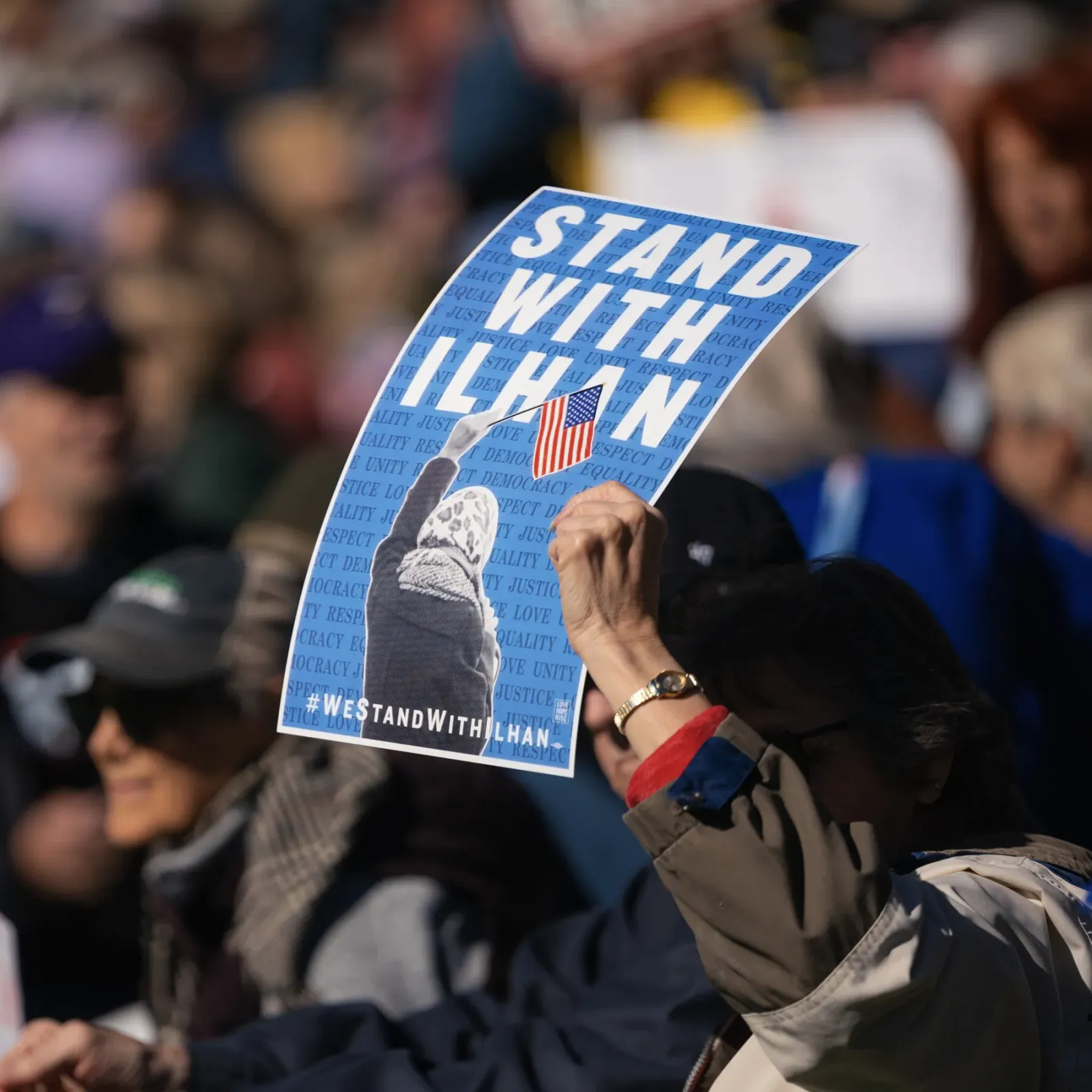
Obama Defends Ilhan Omar After Agents Search Her Home in Trump Inquiry
The former president's intervention raises the stakes in a federal probe into immigration paperwork that has put a prominent progressive lawmaker in the crosshairs.

Blair-era minister: cut welfare to fund youth job support
Alan Milburn's call for welfare cuts to fund employment support opens a Labour fight over benefits and the Neet crisis.
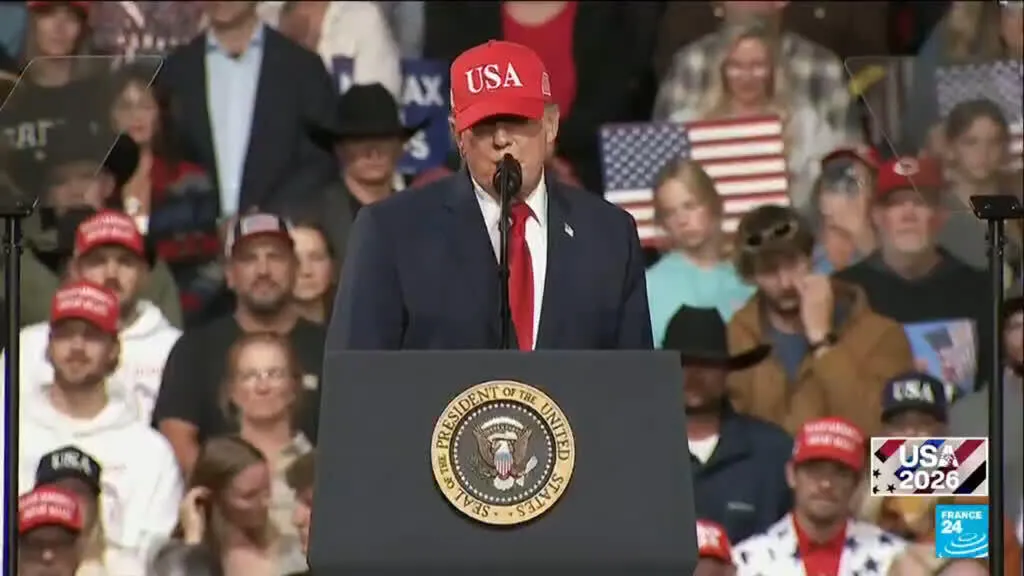
Hot September CPI: energy costs surge, voters feel the squeeze before midterms
The latest inflation print lands as Trump campaigns for GOP control of Congress, putting cost-of-living worries at the center of the midterm fight.