
Galápagos giant daisies evolve heat-tolerant leaves, via different genes across islands
Convergent evolution in real time, plus sharp genetic splits among isolated populations, hinting new species could be forming now.
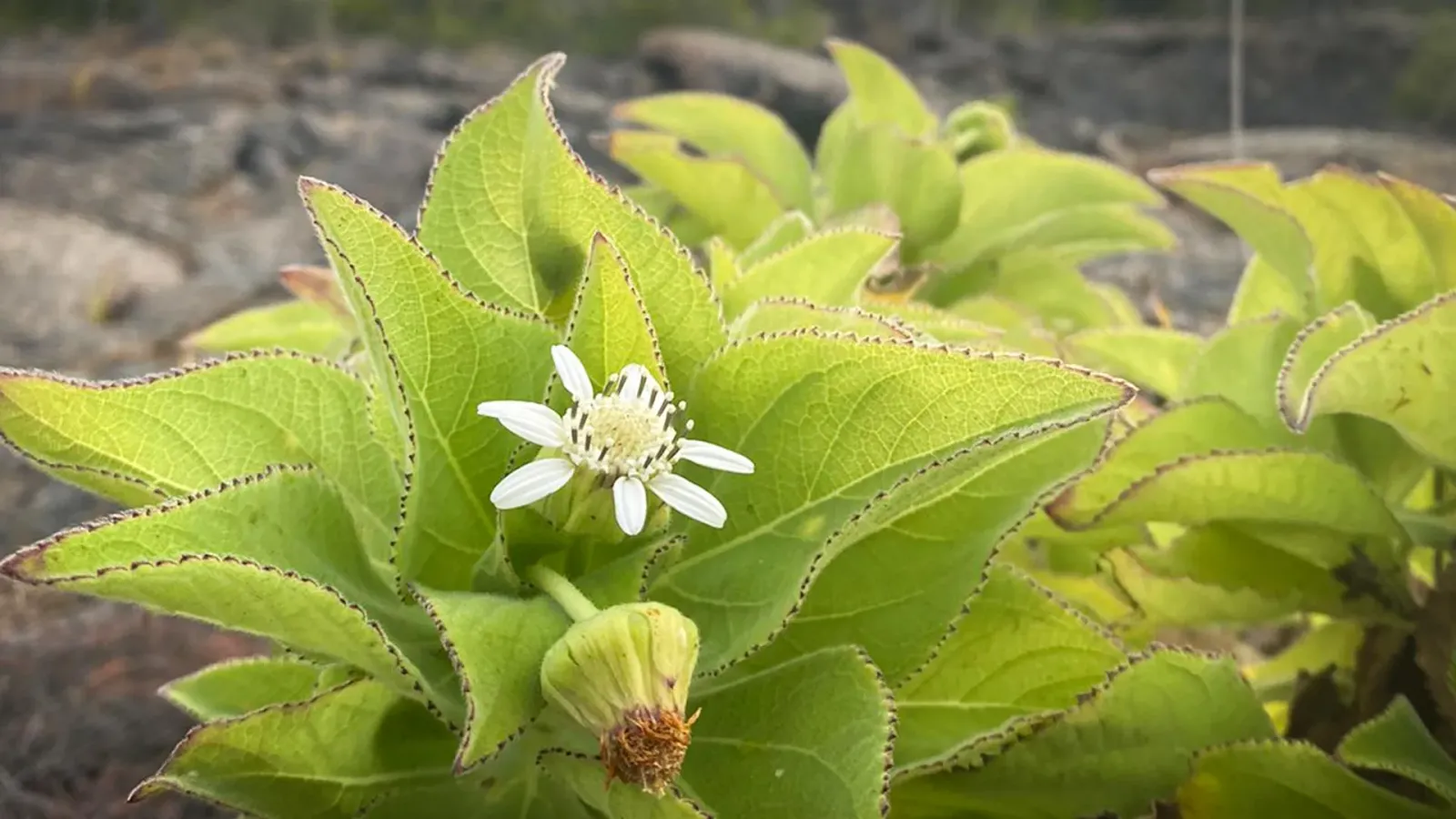
Scientists studying Galápagos giant daisies found that similar heat-tolerant leaf shapes repeatedly evolved across lineages. Each lineage reached that outcome using different combinations of genes, while isolated populations showed major genetic differences.
In the Galápagos Islands, scientists are watching evolution do something that looks suspiciously like repetition. More than 150 years after Darwin’s finches helped reshape biology, a new evolutionary surprise is emerging from Galápagos plants, specifically giant daisies. Researchers report that the daisies repeatedly developed similar heat-tolerant leaf shapes across different lineages. The twist is that the plants did not rely on the same genetic route to get there.
That matters because it answers a key question directly: are these similar heat-tolerant traits caused by the same genes repeating themselves, or can evolution “solve” the same problem in different ways? The study’s finding is the latter. Giant daisies developed similar heat-tolerant leaf shapes, but each lineage used a different combination of genes. In other words, evolution is producing comparable outcomes while changing the underlying genetic playbook.
For decision-makers, the immediate takeaway is not just that plants are adapting to heat. It is that evolution can converge on form while diverging in mechanism. That is a big deal in how we think about resilience, repeatability, and the predictability of biological solutions under environmental stress. If multiple genetic pathways can deliver the same functional end, it means adaptation is not one-size-fits-all. Under shifting conditions like warming temperatures, the same trait can emerge through different genetic architectures, which can affect how quickly populations recover, how robust they are under new stressors, and how likely they are to adapt further.
Now zoom out to the second half of the surprise: the researchers also found major genetic differences among isolated populations of these plants. Isolation across island environments is a classic driver of differentiation because gene flow gets limited. The study frames what this could mean for the future: those genetic splits suggest that new species may be forming right now. That is a live wire for anyone tracking biodiversity, conservation priorities, or the long-term health of ecosystems.
Why would isolated populations become so genetically different? In broad evolutionary terms, when populations are separated, mutations and natural selection accumulate differently. Over time, those differences can become large enough that reproductive barriers arise, or at least that populations become distinct lineages with their own evolutionary trajectories. The source’s language is careful but pointed: major genetic differences among isolated populations suggest new species may be forming. That is not a distant, speculative “someday.” It is an inference grounded in what researchers see in the genetic structure today.
Here is where the story connects to broader boardroom reality, even though it is not about a company filing. Biology drives policy. Biodiversity is tied to conservation regulation, environmental assessments, and public funding decisions. When science suggests species are actively diverging, it can shift how regulators and funders think about what is “at risk” and how urgently habitats need protection. It can also influence how conservation plans are designed at the population level, not just at the species level, because isolated populations can represent distinct evolutionary futures.
There is also a second-order implication for people who oversee research roadmaps, from universities to applied science groups. The finding that similar leaf shapes can evolve using different gene combinations suggests that targeting a single genetic pathway would miss the bigger picture. If different genetic routes produce similar functional traits, then measurement and experimentation need to account for multiple mechanisms. That affects how scientists interpret genetic data and how they build models of adaptation.
For executives and investors watching the life sciences ecosystem, the bigger meta-signal is this: the world is not choosing one evolutionary solution. It is exploring multiple solutions under similar pressures, then packaging them into outcomes that look alike. That makes evolution less like a single formula and more like a toolkit with many working combinations. In the Galápagos, giant daisies are demonstrating that, and they are doing it while isolated populations show the genetic divergence that could lead to new species forming now.
This story's Key Insights and Take-aways are locked.
Create a free account to unlock Executive Actions for one credit.
Register to UnlockAlways free for Executives Club members. Join the Club
More in Science

Alaska's 1,580-foot tsunami had warning signs. Scientists just found them.
Rapid glacier retreat, heavy rainfall, and thousands of tiny tremors preceded Alaska's 1,580-foot tsunami, a warning for every coastal community in a warming world.

The rare mutation that lets high-risk brains dodge Alzheimer's
Scientists found a natural defense against protein buildup, opening a new path to preventive treatments.

3,000 steps a day may halve Alzheimer's decline, study finds
New research links a modest daily walk to less tau buildup and nearly half the cognitive and functional decline, even for those with early signs.