
GameStop and Uber Eats let you buy Funko Pops from your dinner order
A new GameStop catalog drops into Uber Eats, turning the checkout counter into a delivery add-on for games and collectibles.

GameStop is partnering with Uber Eats to bring the store's catalog of games, accessories, and collectibles into the Uber Eats app. For decision-makers, it is another signal that consumer attention is migrating from physical retail to app-based, convenience-first commerce.
Picture this: you are staring at your phone, hungry and ready to click “order,” and you suddenly remember you meant to stop by GameStop to buy Funko Pops. GameStop and Uber Eats just made that exact regret easier to fix. Uber announced that it is partnering with GameStop so shoppers can browse GameStop’s catalog of games, accessories, and collectibles directly inside the Uber Eats app.
This is not a vague “retail is evolving” headline. It is a very specific operational shift: GameStop products, including Funko Pops, are now available through the Uber Eats app as part of a delivery workflow. That means the moment of purchase is no longer confined to store hours, store traffic, or even the specific “I am going to shop” headspace. It happens while ordering dinner, right next to the same conveniences people already use to solve their day.
Why does this matter beyond the meme-level satisfaction of catching up on a collectible run? Because it is a clean example of where commerce is heading: toward distribution channels that piggyback on high-frequency user behavior. Uber Eats has something GameStop typically has to fight for, namely repeated app sessions. The partnership effectively borrows that attention. Instead of asking customers to remember GameStop, it places GameStop where customers already are when they are in an active purchasing mindset.
From Uber’s perspective, partnerships like this can turn the app into more than logistics. The Uber Eats product experience is not just about food delivery anymore. It is increasingly a general-purpose marketplace layer where convenience can be bundled with commerce. Even without adding new technology, adding a familiar retail brand can improve assortment relevance. In plain English, it gives users a reason to keep the app open longer and to click more categories.
For GameStop, the trade-off is attention and friction. Traditional physical retail wins when customers are already walking in with intent, or when foot traffic and in-store discovery do heavy lifting. But physical games have faced long-running headwinds, and collectibles are a niche where customers still care about brand and inventory. Bringing games, accessories, and collectibles into Uber Eats is a way to keep those customers buying even when their “shopping trip” gets delayed, crowded out, or never happens.
There is also an incentives angle hidden inside the simplicity of “catalog in the app.” Uber controls the customer journey inside its platform. GameStop controls the product assortment and brand promise. The partnership likely forces each party to think in terms of funnel economics, not just shelf economics. For boards and exec teams, that is a shift from “how many stores sell how much” to “how efficiently does our catalog convert when the buyer is already mid-checkout.” In app commerce, small changes in conversion can matter more than they do in slower retail cycles.
And then there is the regulatory and operational background that usually sits off to the side of retail partnerships but becomes important when platforms scale. Delivery platforms and marketplaces often operate under consumer protection rules, platform transparency expectations, and varying state or local requirements tied to fulfillment, returns, and dispute handling. While this specific announcement does not list any regulatory details, the broader lesson for decision-makers is clear: once commerce moves into app workflows, the operational responsibilities for order accuracy, customer support, and refunds can become more visible and more structured. That can raise execution standards for partners, even when the customer experience is framed as “just add to your dinner order.”
Second-order implications are also real. If a major retailer brand can plug into a delivery app to sell collectibles and accessories, other categories may feel pressure to follow. Boards of consumer and retail businesses will watch these partnerships as signals of distribution strategy, not just as marketing stunts. If the customer journey keeps shifting from store aisles to app interfaces, companies that depend on physical locations will need either higher destination value or better platform partnerships. Otherwise, they risk getting bypassed at the moment people make purchases.
So the strategic stake for peers in similar roles is straightforward: this partnership is a practical demonstration that convenience-first platforms can become retail channels, not simply delivery utilities. The question for executives and investors is not whether customers will buy collectibles without leaving the house. The question is who controls the moment of intent. Uber Eats is trying to own it for more than food. GameStop is trying to stay present in that moment, so the next time someone forgets their Funko run, the solution is already in their cart.
This story's Key Insights and Take-aways are locked.
Create a free account to unlock Executive Actions for one credit.
Register to UnlockAlways free for Executives Club members. Join the Club
More in Business

Epic and Google drop settlement bid, forcing rival Android app stores by July 22
Google told the court it is ready to carry third-party app stores starting Wednesday, July 22.
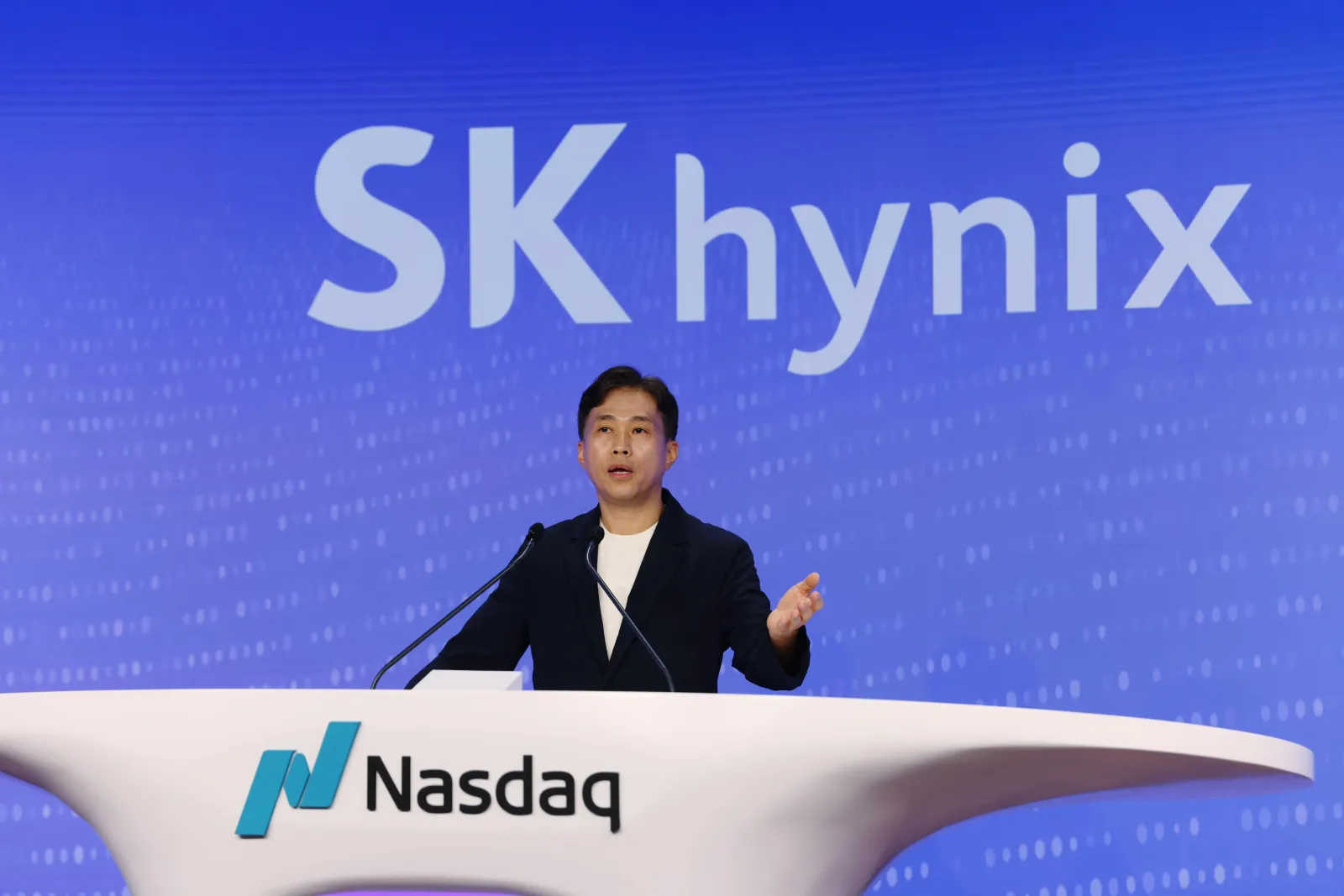
SK Hynix opens at $170, raises $26.5B, and tops foreign IPO records
In Friday's Wall Street debut, SK Hynix turns AI RAM demand into a $26.5B fundraising moment that rewrites comps.

China lands a reusable Long March booster, a first that matches SpaceX and Blue Origin
A barge landing and net-based recovery move China from theory to proof, reshaping the reusability race and satellite ambitions.