

Gears of War: E-Day demands 130GB SSD, and RTX 2060 is the new minimum
Xbox CEO Asha Sharma’s return to Gears lands a PC spec sheet that could torch storage plans and GTX 10 dreams.

Xbox CEO Asha Sharma framed the return to Gears at the Xbox Games Showcase, where Gears of War: E-Day was revealed and its PC system requirements were published. For decision-makers, the 130GB SSD requirement and RTX 2060 minimum could pressure parts of the existing PC install base and complicate launch readiness.
Xbox CEO Asha Sharma said, "It's only fitting that as we return to Xbox, we return to Gears." The Games Showcase reveal that followed gave PC players the spec sheet too, and it comes with two numbers that immediately matter: 130GB of required SSD storage, and an RTX 2060 as the minimum GPU.
That combination is the story. The minimum GPU being an RTX 2060 means the baseline expectation is not “ancient card and vibes.” And the 130GB storage requirement is a straight-up whopper at a time when “space on your drive” is already a recurring consumer pain point. PC Gamer’s published requirements list 130GB (SSD required) for both minimum and recommended, alongside OS targets like Windows 10 22H2 (19045.7291) and Windows 11 (25H2). For anyone planning installs, patches, distribution, or even player support workflows, this is the sort of launch spec that can turn into a wave of “can’t install” tickets on day one.
Here’s the full PC requirement snapshot as provided: Minimum: Windows 10 22H2 (19045.7291) or Windows 11 (25H2), AMD Ryzen 5 2600X or Intel Core i7 6850K or Intel Core i5 10400, 12GB RAM, and a GPU of Nvidia RTX 5050 or Nvidia RTX 2060 or AMD RX 6600 or AMD RX 9060 or Intel Arc A580. Recommended: AMD Ryzen 5 5600 or Intel Core i5 11600K, 16GB RAM, and GPU of Nvidia RTX 5060 or Nvidia RTX 3060 Ti or AMD RX 6700 XT or AMD RX 9060 XT or Intel Arc B580, with the same 130GB SSD required. In short: the CPU and memory bars are reasonably modern, but the storage line is high, and the GPU floor is in the RTX era, not the GTX 10 era.
PC Gamer calls out what that implies by comparison. Many big modern games often list something like a GTX 1070-class card as a minimum for context, but here the minimum is an RTX 2060. The immediate executive-relevant question is what that signals about rendering targets. PC Gamer notes that an RTX 2060 minimum might imply ray tracing is baked in, with no software-based RT fallback, though it says they cannot say that for certain. Still, even without confirming tech details, the direction is clear: E-Day is being built with assumptions about features and performance that earlier-gen cards may not comfortably meet.
Storage is where this gets even more launch-sensitive. The 130GB requirement is unusually large versus “lots of modern games,” which often require a lot but “often not quite that much,” according to PC Gamer. Layer that on top of a “global memory and storage shortage,” and you have a recipe for friction: players who are already tight on SSD space will hit the wall earlier, before they even get to shaders, benchmarking, or settings tweaks. For the ecosystem around the game, that friction is not just annoyance. It affects download funnel conversion, early engagement metrics, and support burden when the most common failures are not performance crashes but install-blockers.
There’s also a distribution and timing angle. Gears of War: E-Day is set to launch on October 6, and pre-purchase is available for $70 on Steam. When a new title lands at a fixed price, high install friction can change the effective value of that purchase for many customers, especially those who are already juggling drive space across multiple games. And because both minimum and recommended require the same 130GB SSD, players cannot “downgrade their way out” of the storage demand. This is where boards and operators start thinking in operational terms: how quickly can launch teams triage storage-related issues, and how clearly can they communicate disk requirements before release day?
For peers watching this spec sheet, the second-order lesson is simple: GPU minimums and storage minimums are now both marketing issues. A high GPU floor can filter the audience toward newer upgrade cycles, while a high SSD requirement can thin the audience through logistics. Even if the gameplay is the hook, these requirements will shape the first impressions, the early reviews, and the momentum that follows launch. In a market that is already crowded for attention, the games that minimize install pain tend to capture more players before they hit “maybe later.” E-Day is choosing the opposite path: set expectations high, and assume players who want in will make room, update hardware, or both.
This story's Key Insights and Take-aways are locked.
Create a free account to unlock Executive Actions for one credit.
Register to UnlockAlways free for Executives Club members. Join the Club
More in Technology

Nvidia's $89B data center quarter: the 9 companies cashing in
The AI buildout is minting fortunes beyond GPUs, and memory, cloud, and cooling suppliers are riding the same wave.
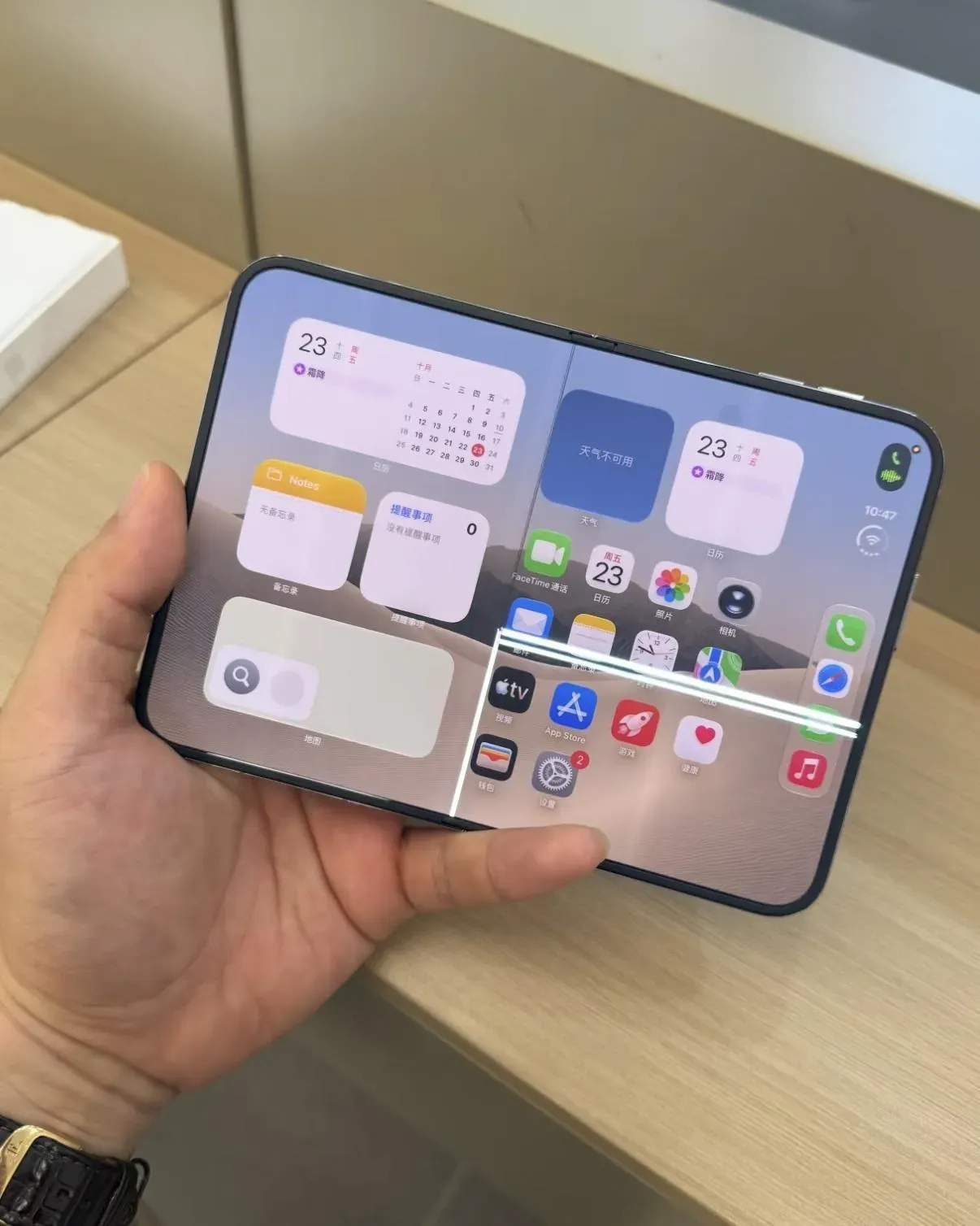
A YouTuber dissected the iPhone Duo and thinks he found crackgate's cause
CuriousHagi's teardown of Apple's foldable reveals a gear-like hinge that may explain why screens crack in the same spot within hours.

Google quietly links your phone number to every Android account on your SIM
Adding a SIM now ties your phone number to all Google accounts - and future accounts inherit it. Here's the security and privacy stakes.