
Geo News gets 15-day suspension after Muharram documentary draws regulator ire
Pakistan’s media watchdog punishes Geo News with a 15-day shutdown for a documentary deemed likely to offend religious sentiments.
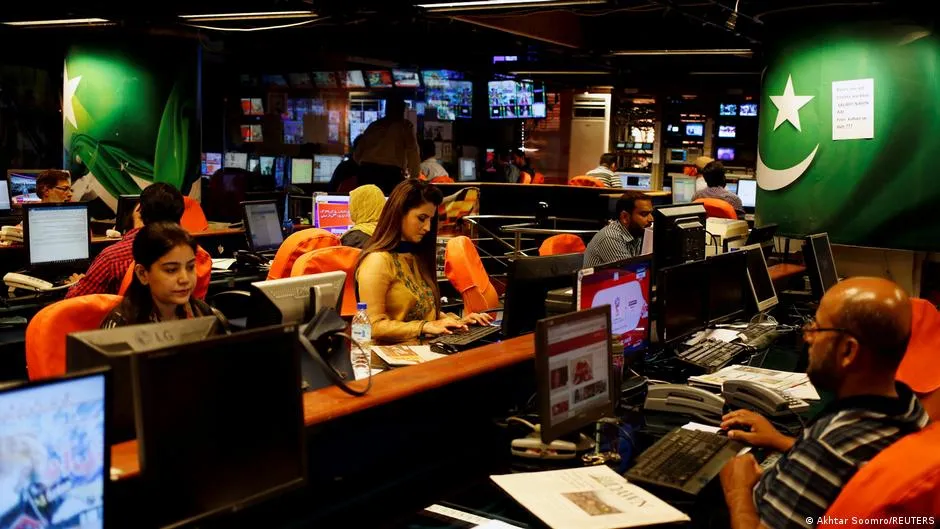
Geo News was handed a 15-day suspension by Pakistan’s media watchdog for airing a Muharram documentary that was described as liable to hurt viewers’ religious sentiments. For decision-makers, the case is a live reminder that Pakistan broadcast rules can move fast, and content risk can become operational downtime overnight.
Geo News has been hit with a 15-day suspension after Pakistan’s media watchdog ruled that a Muharram documentary was “liable to hurt the religious sentiments of viewers,” according to Deutsche Welle. The broadcast sanction is straightforward, but its implications are not. In Pakistan’s media environment, a single programming decision can quickly turn into regulator-led shutdown time, reputational friction, and internal scramble across editorial, legal, and compliance.
This is not a fine that can be absorbed like a budget line item. A 15-day suspension cuts into airtime, ad inventory, audience habit, and the momentum of any show or series tied to the network’s programming calendar. When the enforcement trigger is religious sentiment, the risk calculus becomes less about debating taste and more about navigating a high-sensitivity political and cultural boundary. The regulator’s framing matters: “liable to hurt the religious sentiments of viewers” signals that the standard is not only whether something is provably inaccurate, but whether it could be perceived as offensive.
To understand why this lands so hard for broadcasters, it helps to zoom out on how media oversight typically works when regulators are balancing public order with freedom of expression. In many jurisdictions, broadcast rules are enforced through sanctions that aim to deter. Here, the sanction is time-bound, which is one reason it can feel like a direct operational lever. Even if a station believes the content was intended as commentary or reporting, the regulator can still decide the potential impact crosses a line.
For executives at media companies, the day after a sanction like this is rarely quiet. Teams that normally work in parallel suddenly become one room: content editors, producer leadership, legal counsel, and whoever owns compliance escalation. The network has to answer immediate questions, like what exactly will be replaced during the suspension, how contracts tied to programming will be handled, and how to document the editorial process to prevent recurrence. Then there are second-order questions: how will advertisers and partners interpret the event, and how cautious will audiences and community stakeholders become.
It is also a governance test. A broadcaster is not just shipping content. It is also managing stakeholder risk, including regulators, viewers, and groups that may mobilize around perceived disrespect. When enforcement cites potential harm to religious sentiments, it can create an internal chilling effect. Editorial teams may overcorrect, choosing safe framing that reduces experimentation and potentially narrows how stories about religious or historical topics get told. That can affect long-term competitiveness, especially if other networks learn to operate within clearer boundaries.
Board-level implications follow from that operational reality. A suspension is a tangible interruption, but the bigger board story is what it signals about regulatory tolerance for controversy. When a media watchdog steps in, it reinforces that standards can be outcome-driven: if content triggers complaints or backlash, the regulator may treat it as enough to justify penalties. That means a network’s risk management is not only about checking facts. It is also about sensitivity review, escalation pathways for culturally sensitive coverage, and training that helps teams recognize when the same script can be interpreted differently in different contexts.
Peer networks will watch closely for two reasons. First, they need to know whether this is a one-off crackdown on a specific Muharram documentary or a broader tightening of broadcast oversight around religious programming. Second, they need to see what enforcement looks like in practice, including the length of suspension and the regulator’s stated rationale. Even without extra details beyond the Deutsche Welle report, the 15-day duration is itself a signal: enforcement can be fast, public, and disruptive.
For anyone running media operations in similar environments, the headline takeaway is simple. Geo News learned that content risk can become schedule risk quickly. A documentary that is described as “liable to hurt the religious sentiments of viewers” is enough to trigger enforcement. The strategic stakes are therefore operational continuity and reputational resilience, not just the immediate episode.
This story's Key Insights and Take-aways are locked.
Create a free account to unlock Executive Actions for one credit.
Register to UnlockAlways free for Executives Club members. Join the Club
More in Politics
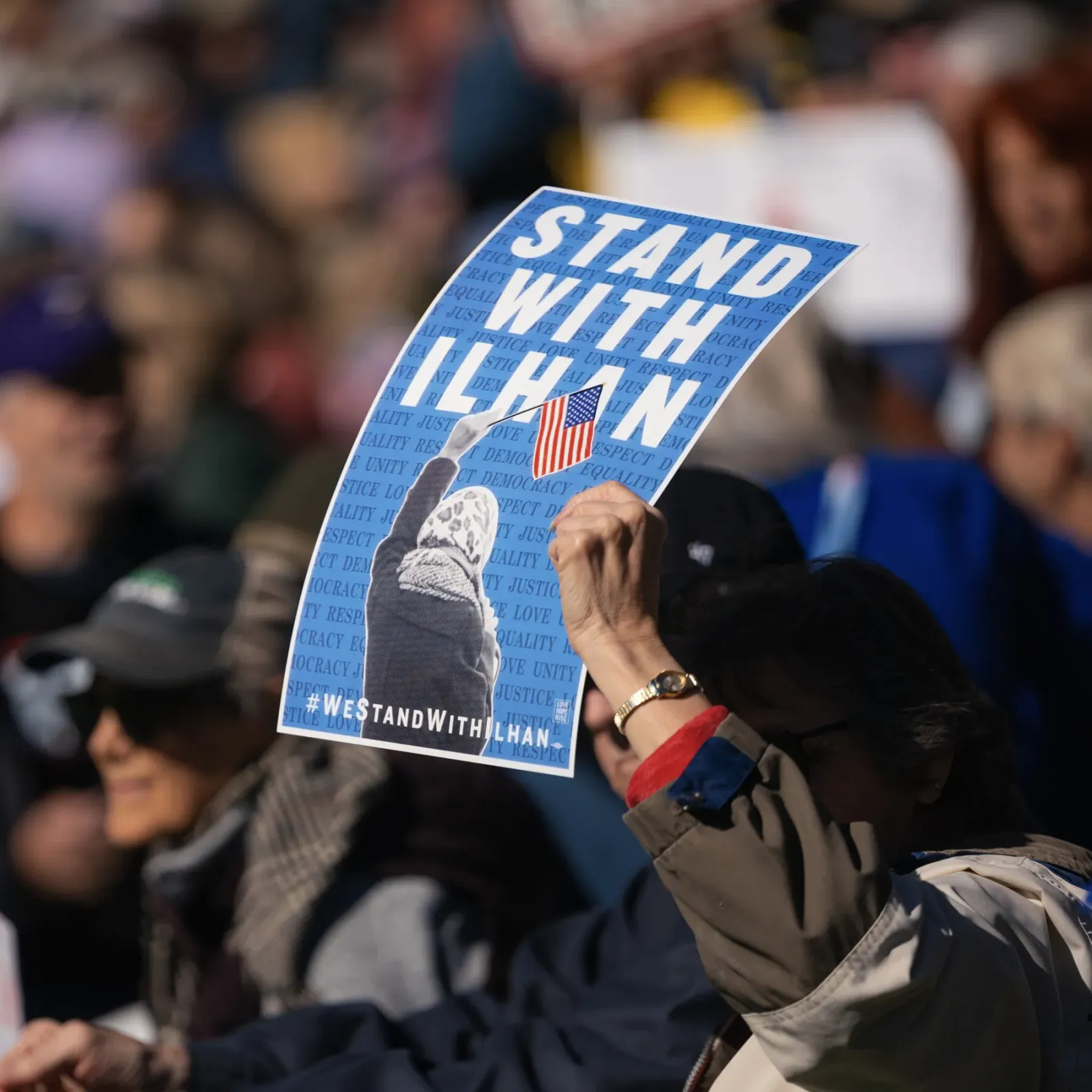
Obama Defends Ilhan Omar After Agents Search Her Home in Trump Inquiry
The former president's intervention raises the stakes in a federal probe into immigration paperwork that has put a prominent progressive lawmaker in the crosshairs.

Blair-era minister: cut welfare to fund youth job support
Alan Milburn's call for welfare cuts to fund employment support opens a Labour fight over benefits and the Neet crisis.
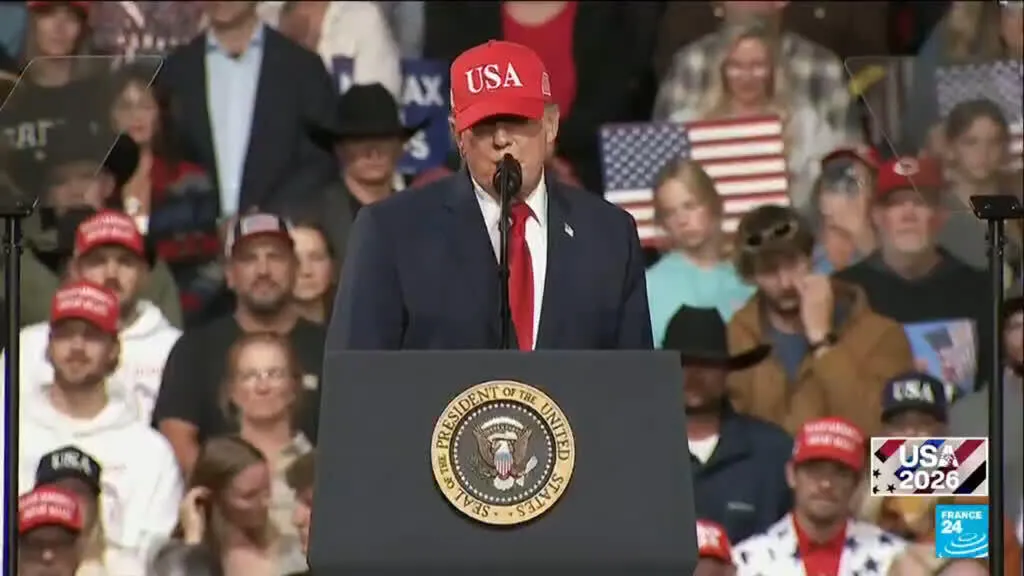
Hot September CPI: energy costs surge, voters feel the squeeze before midterms
The latest inflation print lands as Trump campaigns for GOP control of Congress, putting cost-of-living worries at the center of the midterm fight.