
Gianni Infantino hands Trump 10 World Cup-final tickets worth $15,000 on paper
The Oval Office’s FIFA “golden tickets” return for July 19 at MetLife, with White House gatekeeping and disclosure math.
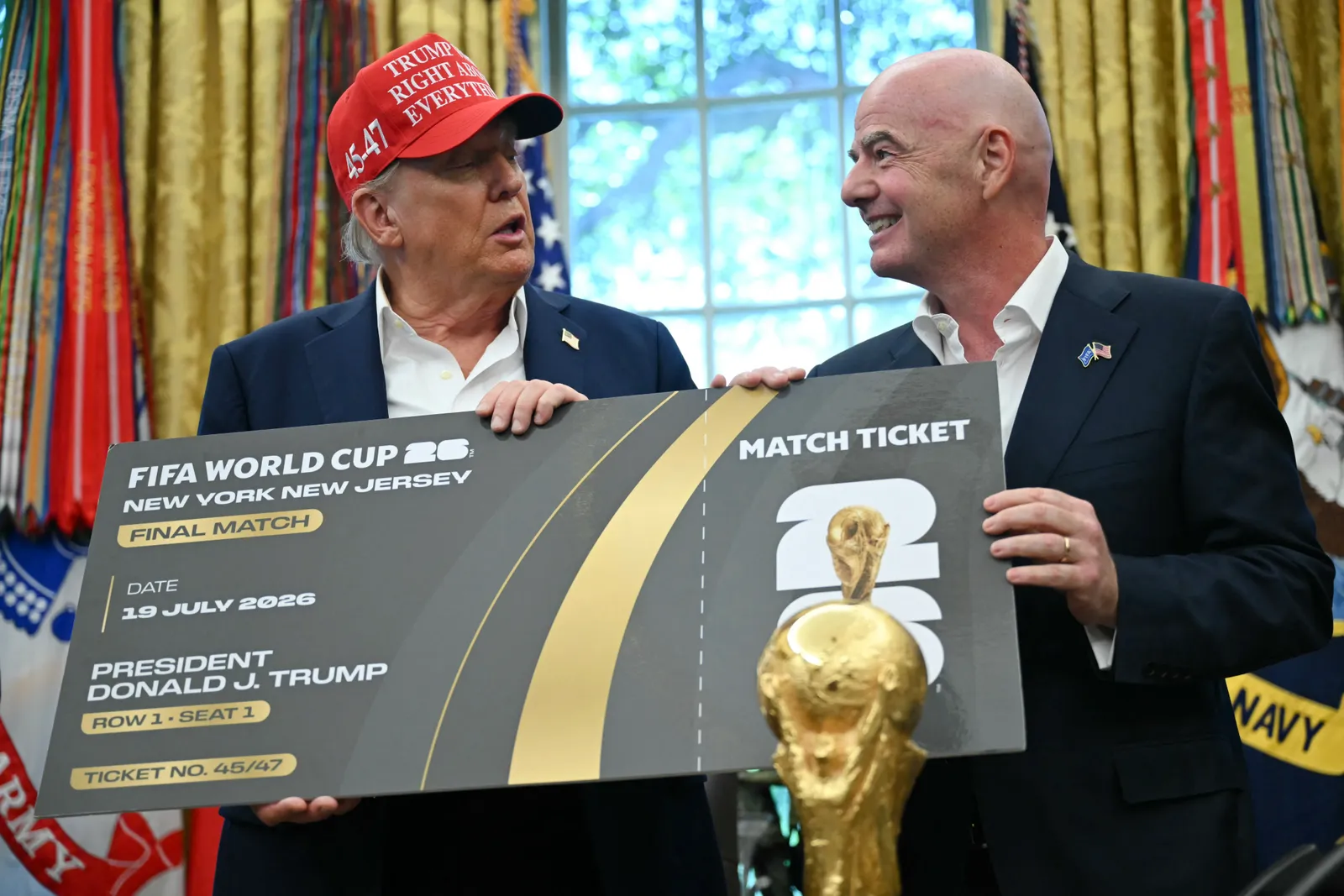
FIFA President Gianni Infantino gave President Donald Trump a giant, oversized World Cup final ticket in August, and the disclosure paperwork says 10 real tickets accompany it. The move matters because it is both a political signal and a compliance question, with the White House likely deciding who sits at MetLife Stadium on July 19.
FIFA President Gianni Infantino’s “golden ticket” play for President Donald Trump is back, and this time the paperwork is unusually specific: Trump’s latest financial disclosure shows the tickets were valued at $15,000, even though they are for the July 19 World Cup final at MetLife Stadium. The headline fact is simple, but the implications are not. Infantino visited the Oval Office last August and presented Trump with a giant oversized ticket, and it turns out 10 real ones accompany it.
Those 10 passes are fueling anticipation in Washington because the July 19 match sits in the not-so-distant orbit of Trump’s golf club in northern New Jersey. Two people who have attended sporting events with Trump, granted anonymity to speculate on a sensitive matter, told Politico they expect the coveted seats to go to family members and a handful of West Wing aides. In other words, the “gift” is not just a high-profile perk. It is a quiet allocation decision that will ripple through who feels favored and who does not.
To understand why this is drawing attention, you have to separate two different things that executives and board members think about all the time: incentives and optics. On the incentive side, high-value access is often the currency behind big institutional relationships. In this case, Infantino is tied to FIFA, the global soccer governing body that has outsized reach with broadcasters, sponsors, governments, and member associations. A seat at a World Cup final is not a generic event invite. It is a visible signal, particularly when it lands in the Oval Office.
On the optics and compliance side, Trump’s disclosure matters because it sets the baseline for how the gift is framed. Politico reports that Trump valued the 10 tickets at a combined $15,000 in his latest financial disclosure report. The practical reality is that tickets to a World Cup final would almost certainly be worth many multiples of that, according to the same reporting. For decision-makers, that mismatch is the point to focus on: disclosures are designed to capture value and manage risk, but the real-world market value is often harder to translate into a clean accounting number.
There is also a governance and process angle, because access usually comes with paperwork, intermediaries, and routing. Politico says those on the hunt for an invitation might find White House FIFA World Cup Task Force czar Andrew Giuliani helpful, but he might steer inquiries to FIFA.com or to the White House Cabinet Affairs to adjudicate. That kind of “pathing” is a classic second-order effect of high-stakes, high-visibility gifts. Instead of decisions happening in a vacuum, they route through specific offices, which can concentrate influence and, in turn, shape internal relationships.
This is not a one-off. Politico reports that this is something of a standard gift from Infantino, who also gave Trump 10 tickets to the final match of last summer’s FIFA Club World Cup, also at MetLife Stadium. That repetition is important because it suggests a consistent pattern of relationship management, not a spontaneous gesture. For executives, the lesson is that “standard” behavior can still create recurring risk. When a practice becomes routine, it is easier for organizations to underestimate how often the same optics, reporting requirements, and stakeholder dynamics will resurface.
Zoom out further and you get why this kind of story keeps landing in the business and policy lanes. Large international sports events are not just entertainment. They are massive economic and regulatory ecosystems. The people coordinating FIFA-related access are operating in an environment where government officials, corporate sponsors, ticketing platforms, and international stakeholders all have incentives to be close to the center. When a global governing body places event access in a head-of-state context, it becomes a spotlight moment. And the spotlight does not just watch who goes. It watches how decisions are justified, how information is disclosed, and how gatekeepers respond to requests.
So the strategic stake for peers in similar roles is straightforward. If you are an executive, investor, or board member trying to navigate institutional relationships with political or regulatory gravity, you learn to ask: What is the real value? Who controls routing? How is the gift documented? And what happens when the “standard” gift becomes the headline. In Washington, 10 tickets can turn into 100 conversations, and the July 19 seats at MetLife Stadium are likely to be treated as far more than a seat count.
This story's Key Insights and Take-aways are locked.
Create a free account to unlock Executive Actions for one credit.
Register to UnlockAlways free for Executives Club members. Join the Club
More in Politics
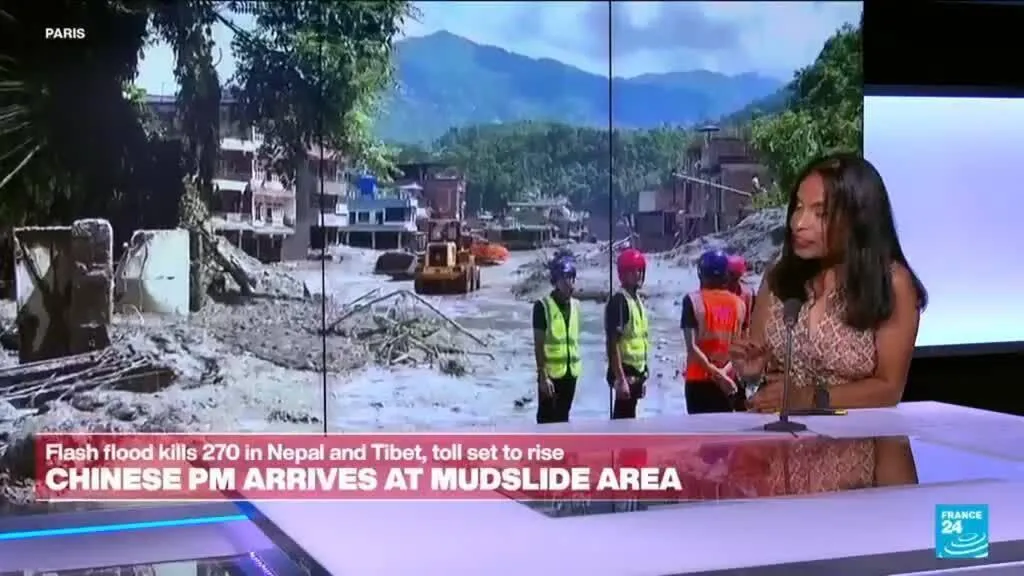
Glacial collapse, not rain, killed 180 in Nepal's Himalayan flood
The Himalaya's extreme geography hid the true cause of Nepal's catastrophic flood, a glacial collapse that turned a geological battleground into a mass-casualty zone.
Iran’s Esmail Baghaei says Oman talks start shipping via Hormuz, not US talks yet
Temporary route plans with Oman aim to restart commerce while Tehran says Washington dialogue is not on the table.
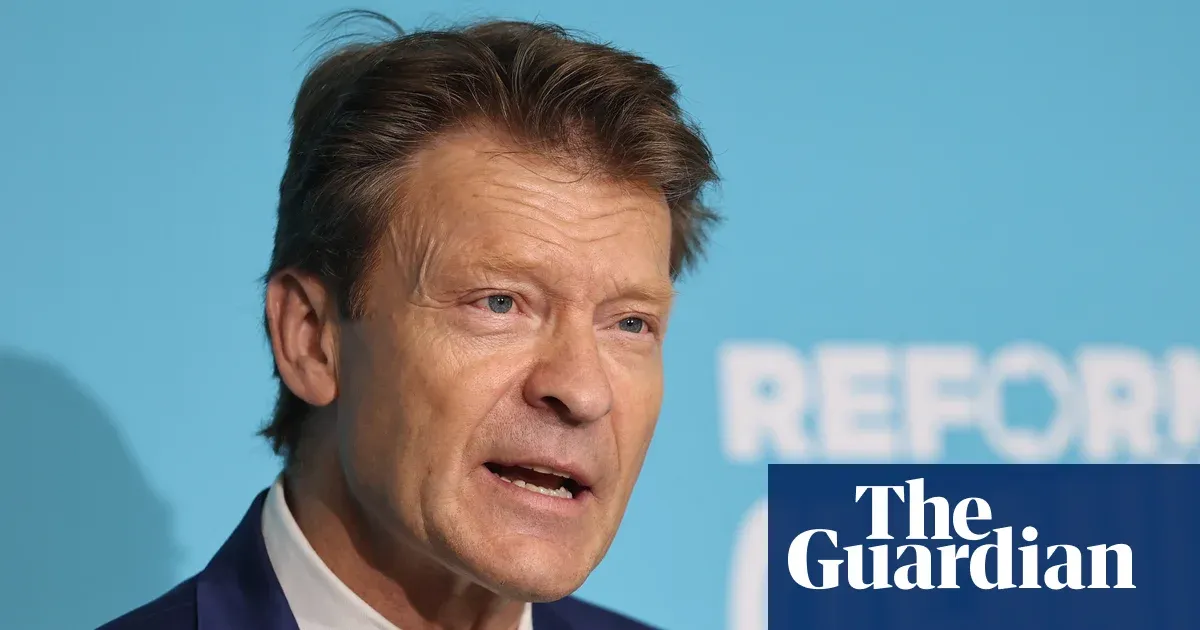
Standards watchdog opens probe into Reform UK deputy leader Richard Tice over interests
The parliamentary standards commissioner says it began an investigation on 28 July into a possible undeclared interest.