

Trump weighs Diddy pardon while granting clemency to federal vehicle emissions convicts
A clemency announcement in emissions cases is widening into high-profile celebrity talk, raising legal and political questions.
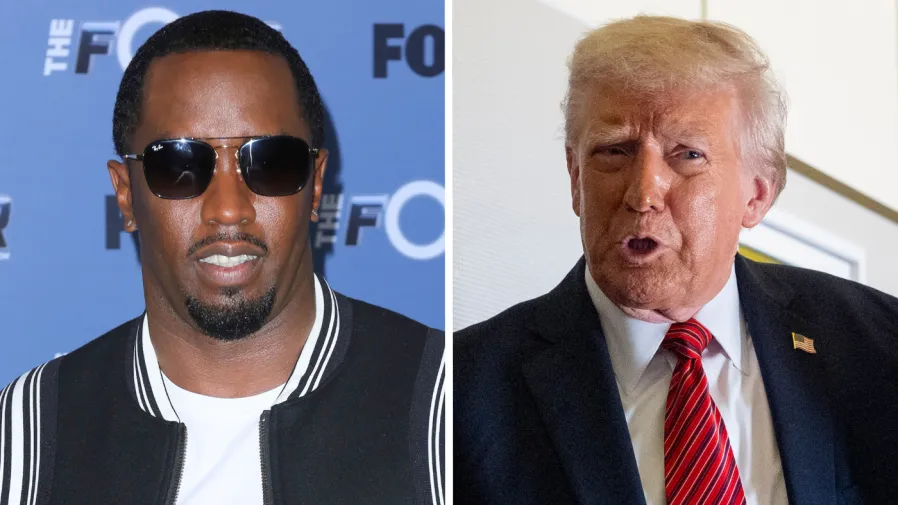
President Trump announced Friday that he has pardoned several people convicted in federal vehicle emissions cases. He has not decided on a pardon for rapper Sean "Diddy" Combs, but sources say he has discussed it privately in recent days.
President Trump announced Friday that he has pardoned several people convicted in federal vehicle emissions cases. He is also reportedly considering pardons for celebrities, including rapper Sean "Diddy" Combs, although he has not made a decision on Combs or other high-profile clemency requests.
That combination matters because vehicle emissions cases are not vague, symbolic enforcement. They sit at the center of how regulators translate technical rules into real-world compliance, and pardons in that lane can signal a change in how aggressive the government will be going forward. In parallel, the fact that Trump has privately discussed clemency requests for high-profile figures in recent days, according to sources familiar with the matter, suggests the clemency process may be moving from legal procedure into something more political and highly watched.
To understand why this is bigger than celebrity headlines, start with the role federal vehicle emissions enforcement plays. In most jurisdictions, vehicle emissions rules are enforced through a mix of compliance requirements, investigations, and penalties when companies or individuals violate emissions standards or related statutes. When convictions happen, they typically come after regulators and prosecutors build a case that a violation occurred and that it was actionable under the law. In that context, a presidential pardon is not a small administrative tweak. It wipes out the legal consequences of convictions for the people pardoned, and it inevitably shapes how the next round of compliance decisions gets made.
There is also the optics problem. Pardons for pollution and emissions violators can be interpreted two ways at once, and both interpretations travel fast through boardrooms. One read is that the administration is willing to reduce penalties tied to environmental enforcement. The other read is that clemency is becoming a tool for managing headline risk and political messaging. Either way, executives in automotive, transportation, and adjacent industries are left to decide how to model the government risk of future enforcement.
Second-order implications show up in how companies allocate attention and capital. Compliance teams do not just build systems for today. They build systems for the regulatory path they expect for the next several quarters and years. If leadership believes enforcement could soften, they may redirect some resources. If leadership believes clemency could be uneven, they may tighten controls and expand auditing because they do not want to be the next case that becomes a bargaining chip.
Then there is the “who gets pardoned” question, which matters for governance. The report specifically says Trump has not made a decision on Combs or other high-profile clemency requests, but that he has discussed them privately in recent days. Even without a decision, the disclosure itself changes the timeline in which stakeholders react. Boards overseeing legal exposure, reputational risk, and government relationships have to treat clemency chatter as a real variable, not a rumor without consequences, because it can influence how legal counsel and communications teams prepare.
The Trump clemency announcement also highlights the political choreography around enforcement. In the near term, clemency can be framed as mercy. In the longer term, it can reshape the environment regulators operate in, particularly if agencies interpret the administration's stance as signaling a preference for reduced prosecutions or different sentencing outcomes. That shift, even if only perceived, can affect settlement dynamics and how companies engage with regulators. It can also affect individual defendants and their attorneys, who may adjust expectations about outcomes after conviction.
All of this is happening while the article keeps the most important detail unresolved. Trump reportedly discussed celebrity clemency privately in recent days, but he has not made a decision on Combs. For executives, the strategic stake is clear: the uncertainty itself can be disruptive. Companies want to know whether enforcement, punishment, and deterrence are stable or whether the rulebook is being rewritten through discretionary decisions. And when the headline orbit includes both pollution violators and major public figures, the policy signal becomes harder to interpret through normal regulatory channels.
For boards and senior leadership teams, the takeaway is not to guess Trump’s eventual decision on Combs. The immediate action is to treat clemency as a live factor in regulatory risk management, particularly in heavily enforced areas like vehicle emissions. If leadership reads this as a sign that enforcement or consequences could be changing, governance should respond by stress-testing compliance assumptions, updating risk forecasts, and coordinating legal and communications strategy. If leadership reads it as mostly political theater, they still need a plan, because political theater in high-profile administrations often becomes a real business variable faster than compliance cycles can catch up.
This story's Key Insights and Take-aways are locked.
Create a free account to unlock Executive Actions for one credit.
Register to UnlockAlways free for Executives Club members. Join the Club
More in Politics

Glacial collapse, not rain, killed 180 in Nepal's Himalayan flood
The Himalaya's extreme geography hid the true cause of Nepal's catastrophic flood, a glacial collapse that turned a geological battleground into a mass-casualty zone.

Iran’s Esmail Baghaei says Oman talks start shipping via Hormuz, not US talks yet
Temporary route plans with Oman aim to restart commerce while Tehran says Washington dialogue is not on the table.
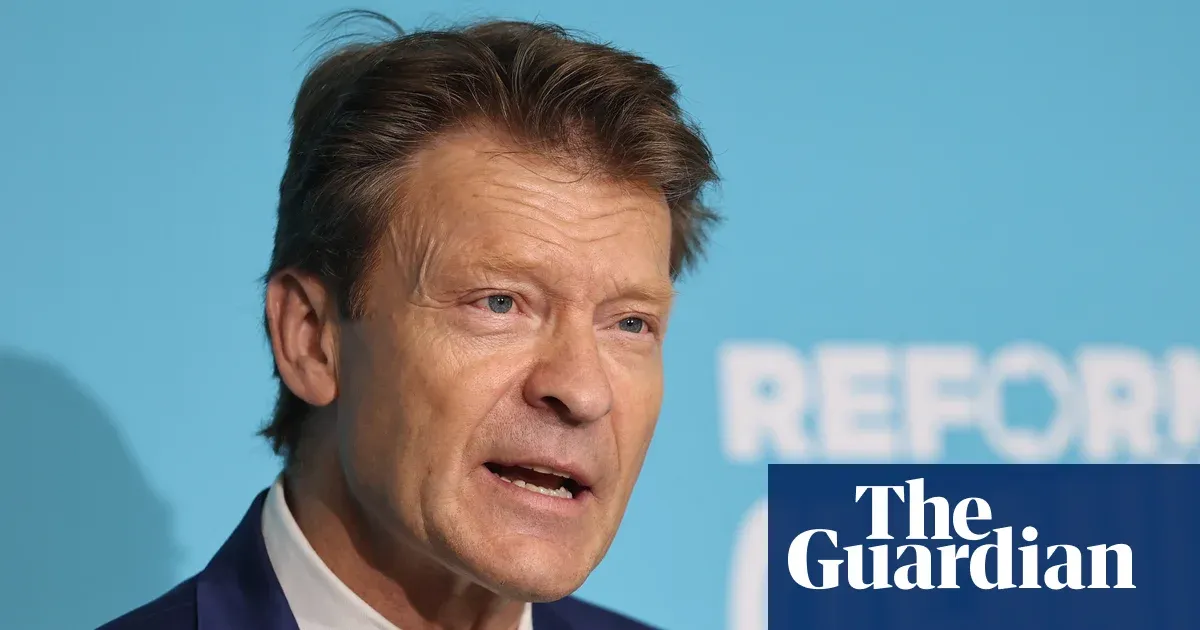
Standards watchdog opens probe into Reform UK deputy leader Richard Tice over interests
The parliamentary standards commissioner says it began an investigation on 28 July into a possible undeclared interest.