

Gironde megafire: nearly 3,000 firefighters still deployed as evacuations unwind
Containment holds near Bordeaux, but parts of the blaze remain active and pressure stays on emergency capacity.
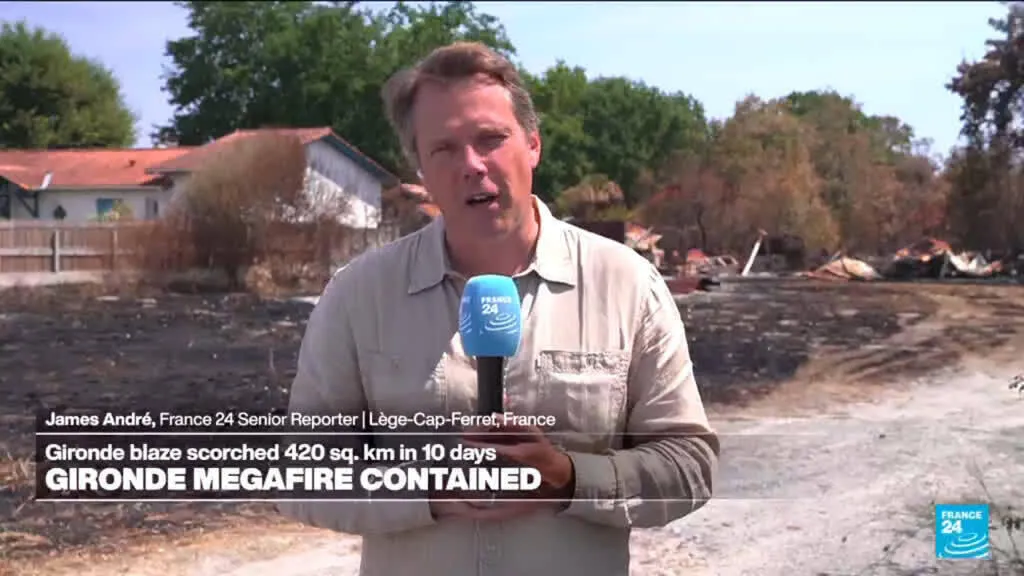
France’s wildfire near Bordeaux remains contained while nearly 3,000 firefighters are still deployed. Most of the 200,000 people evacuated have returned home, but some parts of the fire are still burning.
France’s wildfire near Bordeaux is still described as contained, but the numbers tell a more complicated story than “all clear.” Nearly 3,000 firefighters remain deployed as parts of the blaze continue to burn. In the meantime, the human headline has shifted: most of the 200,000 people who were told to evacuate have now returned home.
That change matters because evacuation and return are not just logistics, they are business continuity and public trust in motion. The story of this fire is not that it is gone, it is that the immediate disruption has eased for most people, even as the danger is not fully over. France 24 notes the blaze has scorched an area four times the size of Paris, underscoring why “contained” still comes with lingering operational strain.
For decision-makers watching from outside France, this is a useful reminder of how wildfires force a multi-layer response. Firefighting resources are finite. When a large blaze stretches across hundreds or thousands of hectares, you do not just need crews on day one, you need sustained coverage while conditions change. The fact that nearly 3,000 firefighters are still deployed implies the response is in a longer stabilization phase, not a quick cleanup. That distinction often determines whether organizations can plan, insure, and operate normally again.
Evacuations offer another signal. France 24 says most of the 200,000 people evacuated have now returned home, which suggests authorities made a risk-based call to lift displacement orders for the majority. But “returned home” does not mean “no further risk.” Parts of the fire are still burning, and this is where the next operational cycle begins: monitoring, rapid reaction, and communications that keep pace with shifting fire behavior. In practical terms, even after residents come back, systems like transportation, utility restoration, and local services can remain partially constrained until fire boundaries and safety conditions stabilize.
Why does “contained” still matter for executives and boards even if you are not in the immediate impact zone? Because the term can sound like resolution, but the underlying reality is active management. Large-scale emergencies create second-order effects that can last longer than headlines. Emergency services remain engaged. Local government bandwidth gets absorbed. Businesses may face intermittent disruptions, supply chain friction, and reputational pressure depending on how quickly services and land are deemed safe.
There is also a capital and compliance angle. When wildfire risk escalates, it tends to intersect with public regulation, land management, and safety planning. Companies with property footprints, contractors, or logistics routes in affected regions typically need to align operational decisions with evolving emergency status. Even if your organization is not directly impacted, peers often look to these events to stress-test assumptions around continuity, insurance coverage, and risk disclosure. “Contained” can reduce near-term disruption, but the remaining active burning keeps uncertainty alive.
Finally, this wildfire’s scale, “four times the size of Paris,” is not just a dramatic comparison. It tells you the perimeter decisions are hard, the re-checking is constant, and the cleanup and recovery timeline likely extends beyond the first containment announcement. For executives, the strategic stake is learning how fast systems can return to normal, and where they get stuck. In this case, authorities have brought most evacuees back, yet nearly 3,000 firefighters remain deployed and not all parts of the fire are out. That combination is the reality to plan for: partial recovery while the underlying hazard still exists.
This story's Key Insights and Take-aways are locked.
Create a free account to unlock Executive Actions for one credit.
Register to UnlockAlways free for Executives Club members. Join the Club
More in Politics
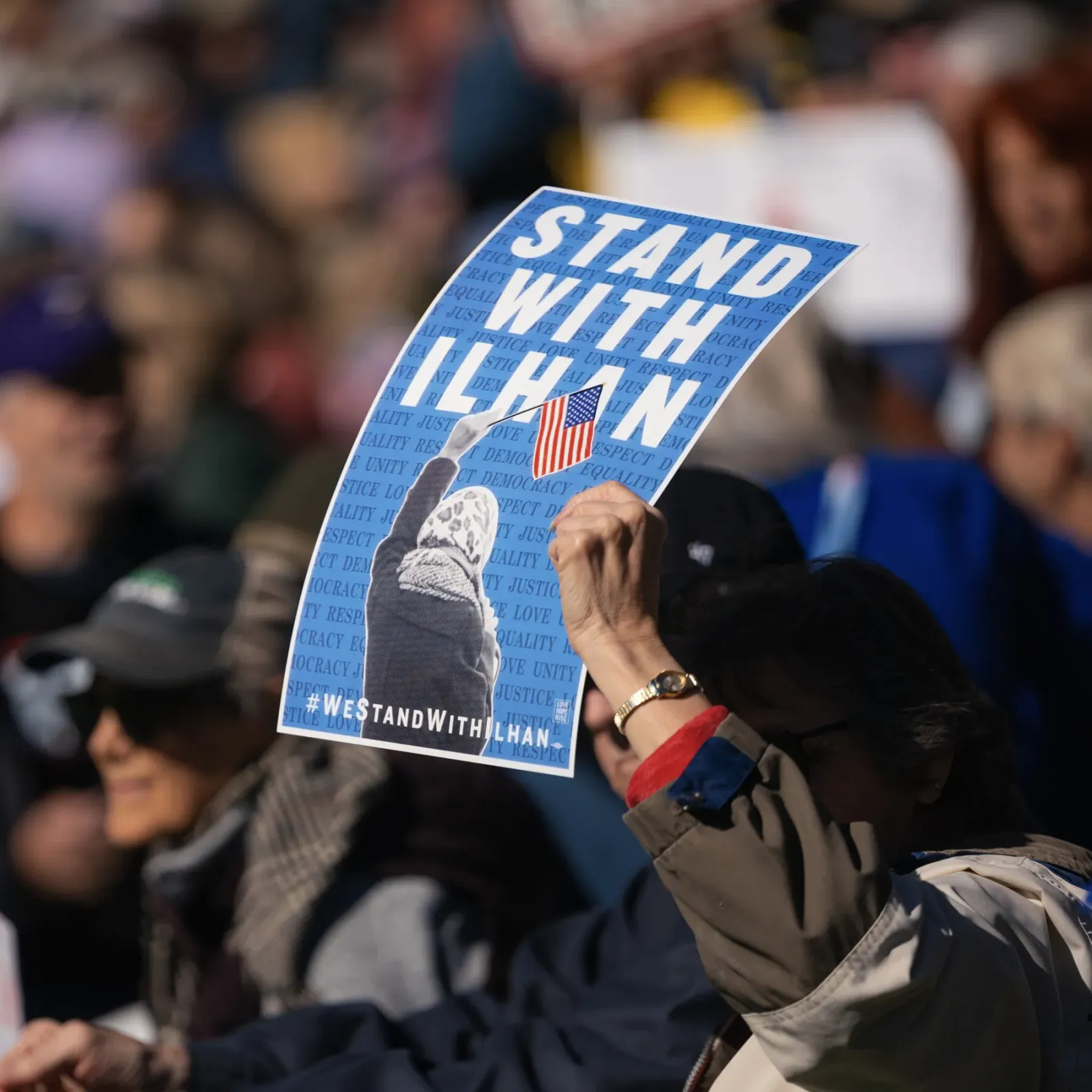
Obama Defends Ilhan Omar After Agents Search Her Home in Trump Inquiry
The former president's intervention raises the stakes in a federal probe into immigration paperwork that has put a prominent progressive lawmaker in the crosshairs.

Blair-era minister: cut welfare to fund youth job support
Alan Milburn's call for welfare cuts to fund employment support opens a Labour fight over benefits and the Neet crisis.

Hot September CPI: energy costs surge, voters feel the squeeze before midterms
The latest inflation print lands as Trump campaigns for GOP control of Congress, putting cost-of-living worries at the center of the midterm fight.