

GM tops EPS and lifts guidance as resilient demand and pricing hold
General Motors beats expectations, reports its latest results outlook, and signals the pricing-demand balance investors care about.

General Motors’ latest earnings beat expectations, and the company raised guidance amid a consumer backdrop described as 'resilient' along with pricing support. For decision-makers, the move matters because guidance is where capital market confidence gets priced in, quickly.
General Motors is reporting results that are already outperforming what Wall Street was lined up to expect. Analysts’ consensus for the quarter called for adjusted earnings per share (EPS) of $3.20 and revenue of $47.01 billion, and CNBC’s framing is clear: GM beats on earnings and raises guidance.
That guidance raise is the real tell. In an economy where auto buyers can be fickle and financing conditions can shift without warning, the market does not just trade on the past quarter. It trades on whether the company believes the current setup can keep working. CNBC attributes the strength to a “resilient” consumer and pricing. In other words, it is not only that GM sold cars, it is that the company believes it can keep monetizing them at levels that matter.
To understand why this is consequential, zoom out to how the auto sector tends to move. Automakers sit at the intersection of industrial cycles and consumer confidence. They are also unusually sensitive to pricing because pricing is both a competitive weapon and a margin lever. If demand holds up, companies can defend prices. If demand softens, that defense can break, and margins can fall even if volumes do not collapse. That is why “pricing” gets mentioned in the same breath as demand. It signals whether GM expects the margin story to persist or whether it is a short-lived tailwind.
Now add the “adjusted EPS” part. Adjusted metrics are a staple in auto earnings because they help companies explain performance through lenses like one-time items, restructuring, and other accounting effects. Investors still care about adjusted EPS because it becomes the scoreboard that analysts model and boards watch. Consensus was $3.20 adjusted EPS, and revenue was expected to land at $47.01 billion. When a company beats that bar and then raises guidance, it is effectively saying: our internal view of the cost, demand, and pricing mix looks better than the model you are using.
Guidance raises are also a board-level signal. The CFO and finance team do not typically lift guidance casually. They do it when they are comfortable that near-term assumptions on sales mix, incentives, commodity pressures, and production costs are not about to turn. Even if GM did not spell out each driver in the limited snapshot here, CNBC’s headline logic ties the guidance confidence to two specific pillars: a resilient consumer and pricing.
For peers, this is the kind of quarter that can force repricing. In autos, one company’s guidance update quickly becomes a reference point for others, especially when consumers are described as resilient. If GM believes pricing can keep working, it reinforces the idea that the industry might still be in a period where automakers have leverage. If customers are still showing up and the pricing environment is holding, that can reduce the fear that the next few quarters will be a scramble to regain margin.
There is also a regulatory and policy backdrop that makes guidance decisions feel higher stakes. Auto is heavily influenced by regulation around emissions, safety requirements, and fleet standards, which can raise the cost of compliance and shift the product mix. Even without those specifics in the source you provided, the second-order implication is consistent: when regulatory costs and product transitions are happening, companies want to lock in cash generation and margin credibility. Beating earnings and lifting guidance is one way to tell the market that the transition does not have to come with a financial gut punch.
Finally, for decision-makers inside GM and beyond, the timing matters. Markets often use earnings week to stress-test whether guidance is anchored in reality or wishful thinking. By beating expectations and raising guidance, GM is sending a message that the current consumer and pricing setup is not just a snapshot, it is a trend the company can navigate.
For investors and operators watching the sector, the takeaway is simple but sharp: a quarter that clears expectations and includes a guidance increase tied to resilient demand and pricing is the kind of update that can change how people underwrite the next few quarters. In autos, that can be the difference between “watching margins” and “believing margins can hold.”
This story's Key Insights and Take-aways are locked.
Create a free account to unlock Executive Actions for one credit.
Register to UnlockAlways free for Executives Club members. Join the Club
More in Business

Uber buys Delivery Hero for nearly $15B, vaulting to top food delivery outside China
The deal doubles Uber's dual-services footprint and pushes a ride-and-eats bundling play into 50 more markets.

Epic and Google drop settlement bid, forcing rival Android app stores by July 22
Google told the court it is ready to carry third-party app stores starting Wednesday, July 22.
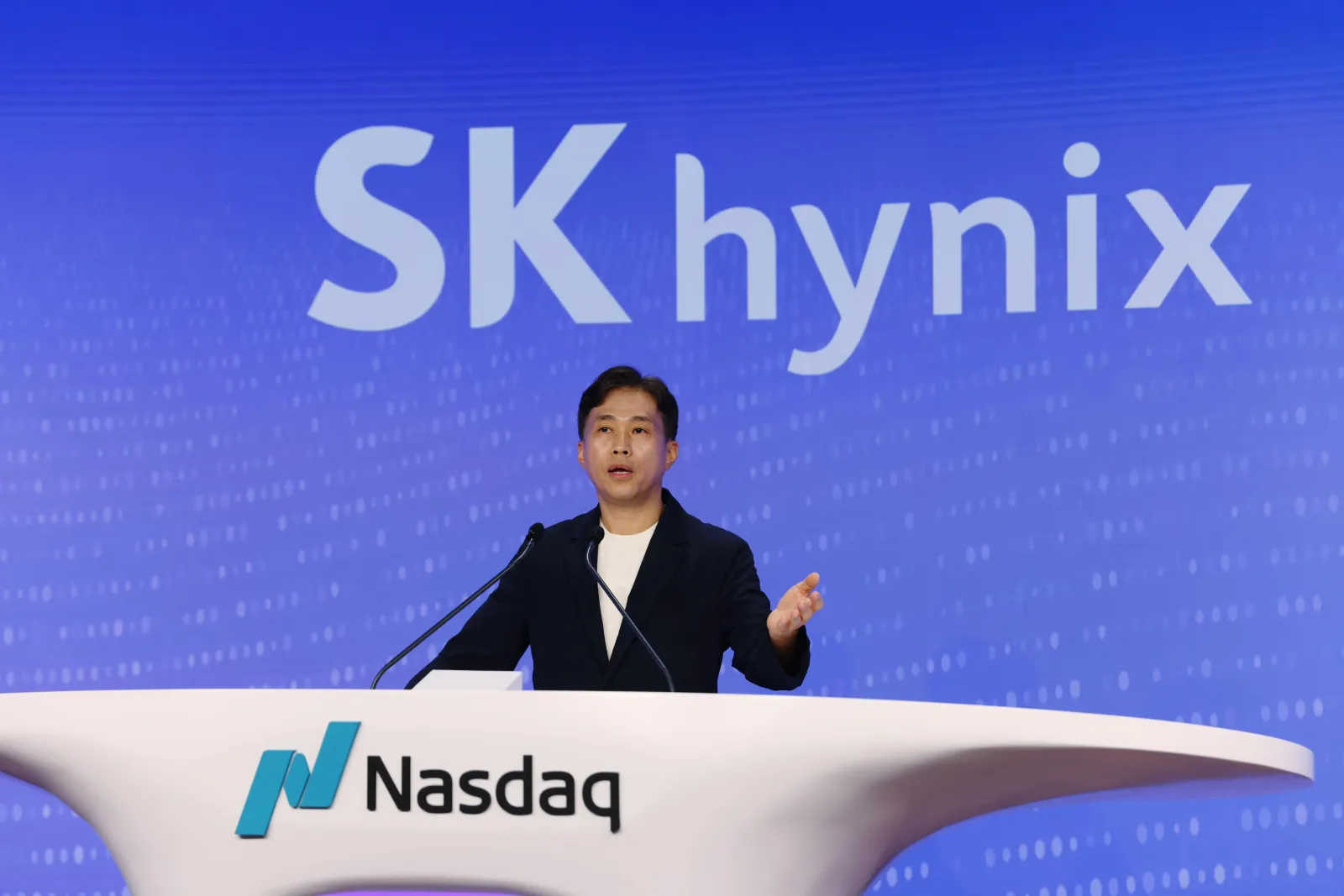
SK Hynix opens at $170, raises $26.5B, and tops foreign IPO records
In Friday's Wall Street debut, SK Hynix turns AI RAM demand into a $26.5B fundraising moment that rewrites comps.