
GM turns on vehicle-to-grid charging for GM Energy customers
The next test for smart grids is whether drivers will plug in for their neighborhood, not just their commute.
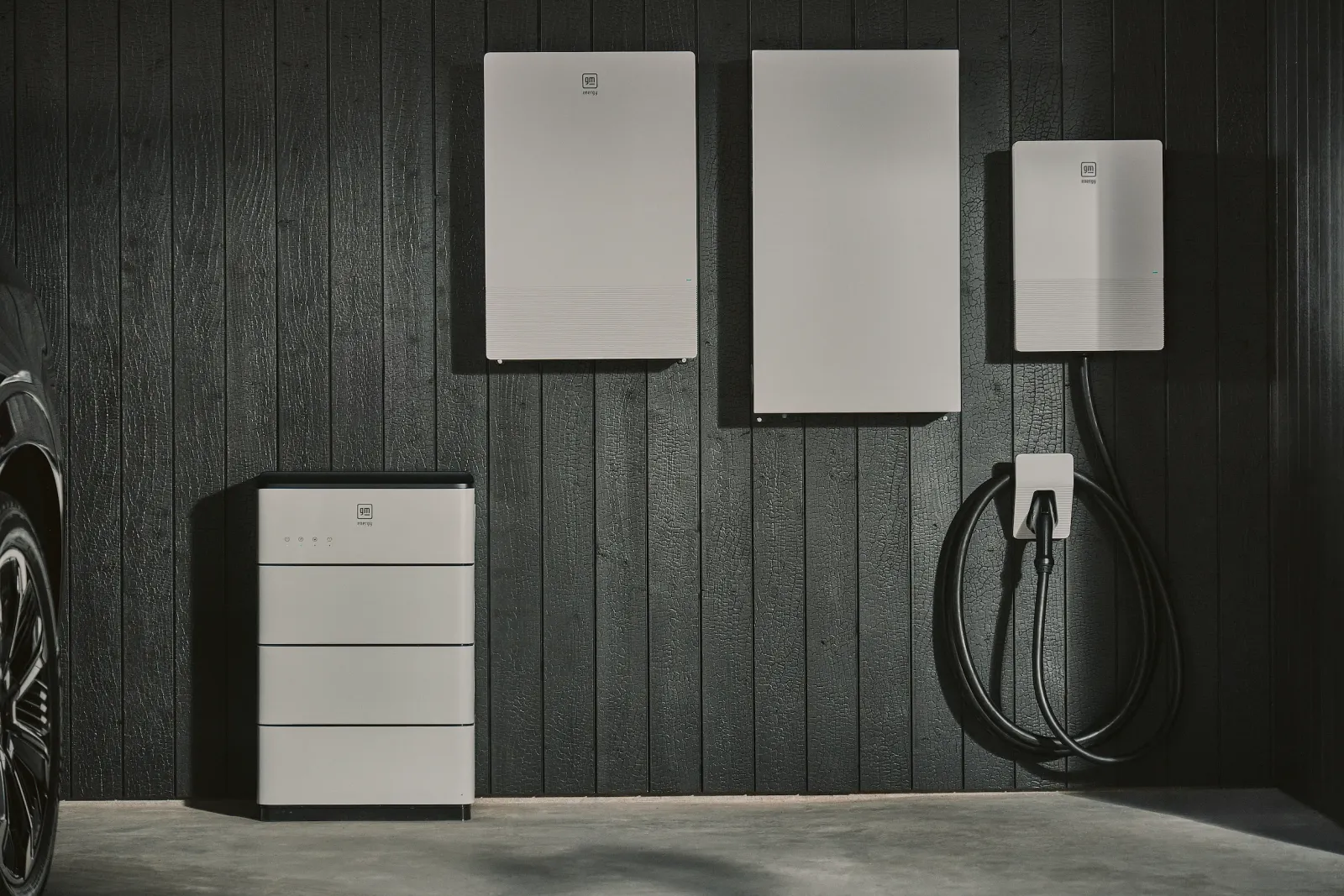
GM is activating vehicle-to-grid (V2G) charging for its GM Energy customers, aiming to let electric vehicles power homes and potentially feed electricity back to the grid. For executives, the consequence is clear: the value proposition for bidirectional charging depends less on hardware and more on real customer behavior.
GM wants your electric car to do more than haul you to work. The automaker is turning on vehicle-to-grid charging for its GM Energy customers, turning the car into a power source that can support homes and, depending on how the system is used, even the broader neighborhood electricity picture.
The headline question is the entire business case: will people actually use it? Activating V2G is not the same thing as proving demand. The moment GM flips the switch for its customers, it is effectively asking them to treat their vehicle like distributed energy storage, not a one-way consumer device. That changes the incentives and the user experience in ways traditional EV adoption has mostly ignored.
To understand why this is such a big deal, zoom out to the grid stress that is now forcing utilities and regulators to modernize. When more customers charge EVs, the grid has to handle new peak loads, often at the same time each day. V2G offers a potential pressure-release valve. Instead of electricity only flowing from grid to car, bidirectional systems can let some power flow the other way, depending on the program and the hardware capabilities. The promise is simple: smooth demand spikes, add flexibility, and make renewable integration easier when weather-dependent generation surges.
But the operational reality is harder. V2G programs typically depend on customer participation, schedules, and controls that the utility or an energy provider coordinates. If drivers do not consistently plug in at times when power support is needed, or if the program benefits are too small or too uncertain, the grid value stays theoretical. That is why GM’s rollout matters beyond GM Energy itself. It is an early, practical test of whether the market is ready for EVs as grid assets.
Regulation also shapes how this can work in practice. Utilities generally face strict rules on how they can compensate customers, how they can aggregate distributed resources, and how interconnections are handled. Even when the technology is feasible, the business model still needs to fit within regulatory and tariff frameworks. That means the success or failure of V2G is not only a question of charging speeds and battery management. It is also about whether policymakers and regulators will treat these resources as something the grid can reliably rely on, and whether the compensation structure is robust enough to drive participation.
This is where the board-level stakes show up. If V2G takes off, it creates a new revenue and retention angle for OEM-linked energy services like GM Energy. It can also strengthen the strategic case for automakers to be involved in energy ecosystems rather than just selling vehicles. On the other hand, if usage is weak, it highlights a common trap in energy technology launches: building the capability does not guarantee adoption. The “will people actually use it?” question becomes a reality check on how much of the value is convincing enough to change behavior.
And if GM Energy customers participate meaningfully, second-order effects ripple outward for other players. Competitive differentiation in EVs has been about range, charging networks, and price. V2G introduces a different kind of differentiation: energy management, grid services, and an ongoing relationship that continues after purchase. It also puts pressure on peers, suppliers, and utilities to align around bidirectional charging hardware, software coordination, and the economics of sending electrons both directions.
So the strategic takeaway for decision-makers is straightforward. GM is not just rolling out another charging feature. By turning on vehicle-to-grid charging for its GM Energy customers, it is stress-testing whether distributed storage can become a mainstream service backed by real user behavior. In a world where grid flexibility is increasingly valuable, the winners will be the companies that can make the system work for drivers, utilities, and regulators at the same time. If GM’s customers actually plug in and participate, that is a signal the market is moving from concept to cadence.
This story's Key Insights and Take-aways are locked.
Create a free account to unlock Executive Actions for one credit.
Register to UnlockAlways free for Executives Club members. Join the Club
More in Technology

OpenAI says 10,000 agents cracked a 90-year math problem in 88 hours
The company's claim is audacious, but one mathematician is pushing back. Here's what it means for AI-driven discovery.
Meta still serves child sexual abuse ads on Instagram in India - BBC report
A new report following the BBC Eye investigation says the ads are still there - what it signals for every platform with a self-serve ad engine.

White House yanks 'Build the Wall' game after Tetris Company copyright warning
The administration's arcade game vanished in hours - and the takedown playbook every brand can learn from.