
Good Good's CEO out after Callaway ad backlash unravels $45M empire
A 56-second horror-movie spoof cost the YouTube golf supergroup its blue-chip partner, its CEO, and a shelf at Dick's - a cautionary tale for creator-led companies.
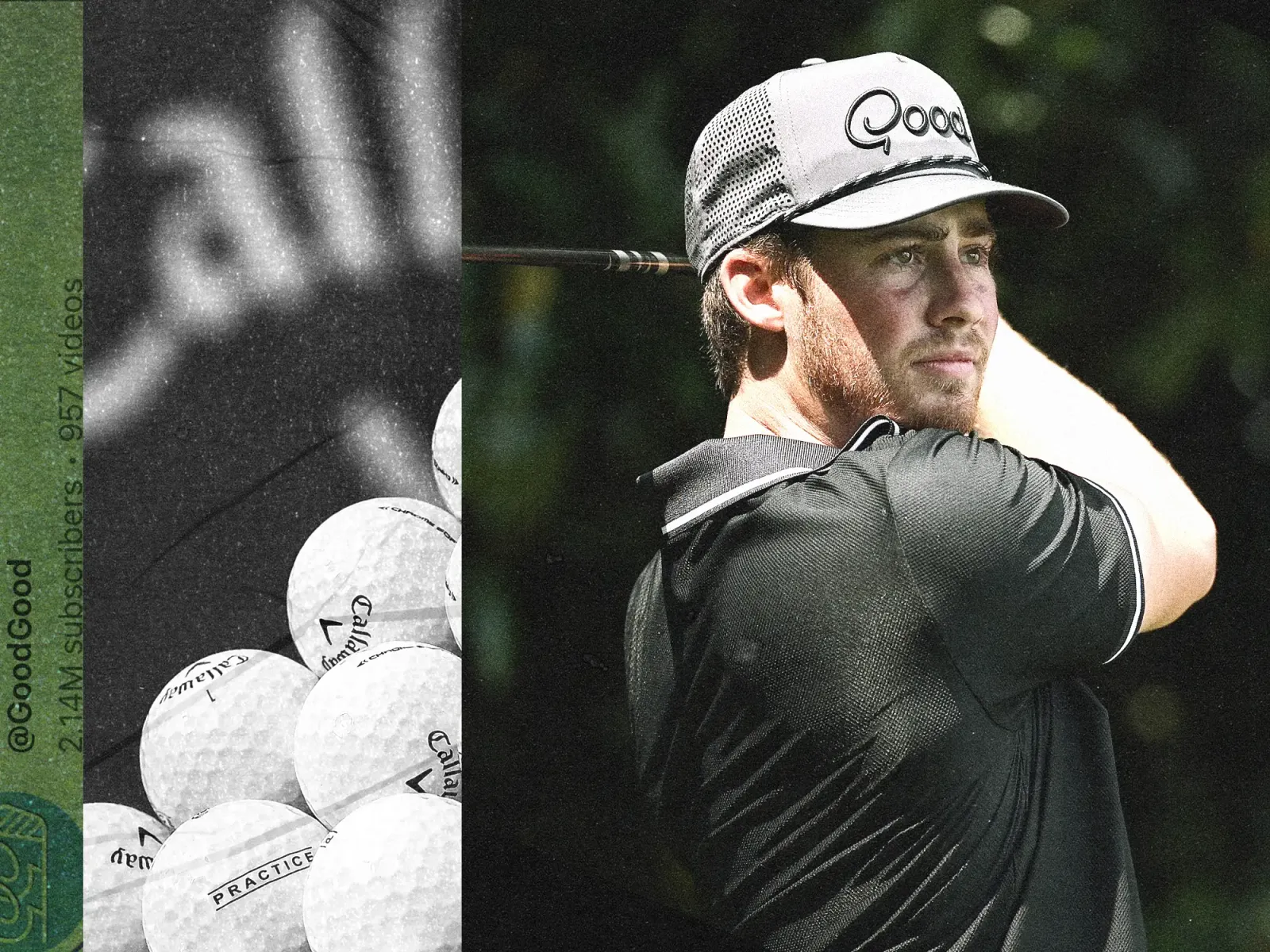
Matt Kendrick, CEO and cofounder of YouTube golf group Good Good, was replaced days after a controversial Callaway ad sparked backlash and partner exits. The crisis shows creator-led companies the reputational risk of loose oversight and the pressure to professionalize without losing authenticity.
Matt Kendrick, the CEO and cofounder of YouTube golf supergroup Good Good, is out of the company he helped build - just five days after he publicly floated suing Callaway over an ad that backfired spectacularly. The exit caps a two-week unraveling that began with a 56-second horror-movie spoof and ended with Callaway cutting ties, Dick's Sporting Goods pulling products, and a $45 million creator-economy dream suddenly looking fragile. For a company that had positioned itself as the fresh face of golf, the fall was as fast as it was brutal.
The ad, called "The Driver," showed cofounder Garrett Clark tackling a female colleague, Alexis Miestowski, while shouting "Do not touch my new driver." Good Good and Callaway both said it was meant to riff on the Gen Z-favorite horror film "Obsession," but thousands of viewers read it as making light of violence against women. The backlash was immediate: Clark apologized on Instagram, calling it "super dumb ad concept, terrible ad in general," and both companies pulled the spot. Callaway, which said it was not involved in production but admitted its review process was inadequate, strengthened its approval procedures and donated $1 million to groups combating violence against women. But the damage was done.
Inside Good Good, the crisis exposed a company that had grown faster than its guardrails. Just as the ad went live, the group was onboarding a new president, Joe Flannery, a Nike and Adidas veteran brought in to oversee most operations - a sign that investors felt Kendrick needed reinforcements. One person who worked with Good Good described the company as run in a casual manner, with ads flying out the door with little oversight. "I think a lot of things get brought to them very quickly and they say, 'Let's do it,'" this person said. That improvisational culture had fueled Good Good's rise, but it also left the brand one bad joke away from disaster.
The fallout was swift and wide. Dick's Sporting Goods yanked Good Good products from shelves. The group pulled out as title sponsor for a PGA Tour event in the fall, and The Golf Channel scrapped the upcoming season of its reality series "Big Break," whose grand prize was entry into that event. Good Good's marketing head, Jeff Lefkovits, and a second marketing employee were fired, and Callaway's content head also departed. Kendrick added fuel to the fire with a string of early-morning posts on X, accusing Callaway of asking Good Good to make the ad, approving it, then "asking us to take the fall" in a "coordinated media blitz." He said he wasn't "opposed" to suing Callaway and was "down to boycott" the company. Callaway didn't respond. In an interview with Front Office Sports, Kendrick admitted he'd been "reactionary," saying, "It's been tough. The company is one thing, but family is a whole other thing." Five days later, he was gone.
Good Good's interim CEO is now Nahid Giga, a cofounder and early investor. The company said retail sales and social followings have grown despite the controversy, and investors remain supportive, though it declined to share numbers. But some partners and sponsors may keep their distance for a while. Creator economy insiders previously told Business Insider that Good Good could benefit from focusing on its core users through in-person events and paid offerings while riding out the scandal.
This is the cautionary tale for the entire creator economy, now a $250 billion industry that has rattled Hollywood and drawn billions in investment. As creator-led companies scale, they are hiring outside executives - MrBeast, Alex Cooper, Ashley Flowers, Steven Bartlett, and Dude Perfect have all seen key departures in recent months - but the transition is fraught. "Brands are rightly advised to give creators breathing space because nobody understands how to engage their audiences better than they do," said Ben Woods, head of creator economy at Enders Analysis. "But that freedom inevitably comes with some reputational risk when content crosses a line or generates controversy." Good Good's crisis is an extreme example of that risk, and a reminder that authenticity and oversight are not opposites - they are a balance that every creator-led board must now manage. The question is whether the industry can professionalize without losing the very spark that made it valuable.
This story's Key Insights and Take-aways are locked.
Create a free account to unlock Executive Actions for one credit.
Register to UnlockAlways free for Executives Club members. Join the Club
More in Business
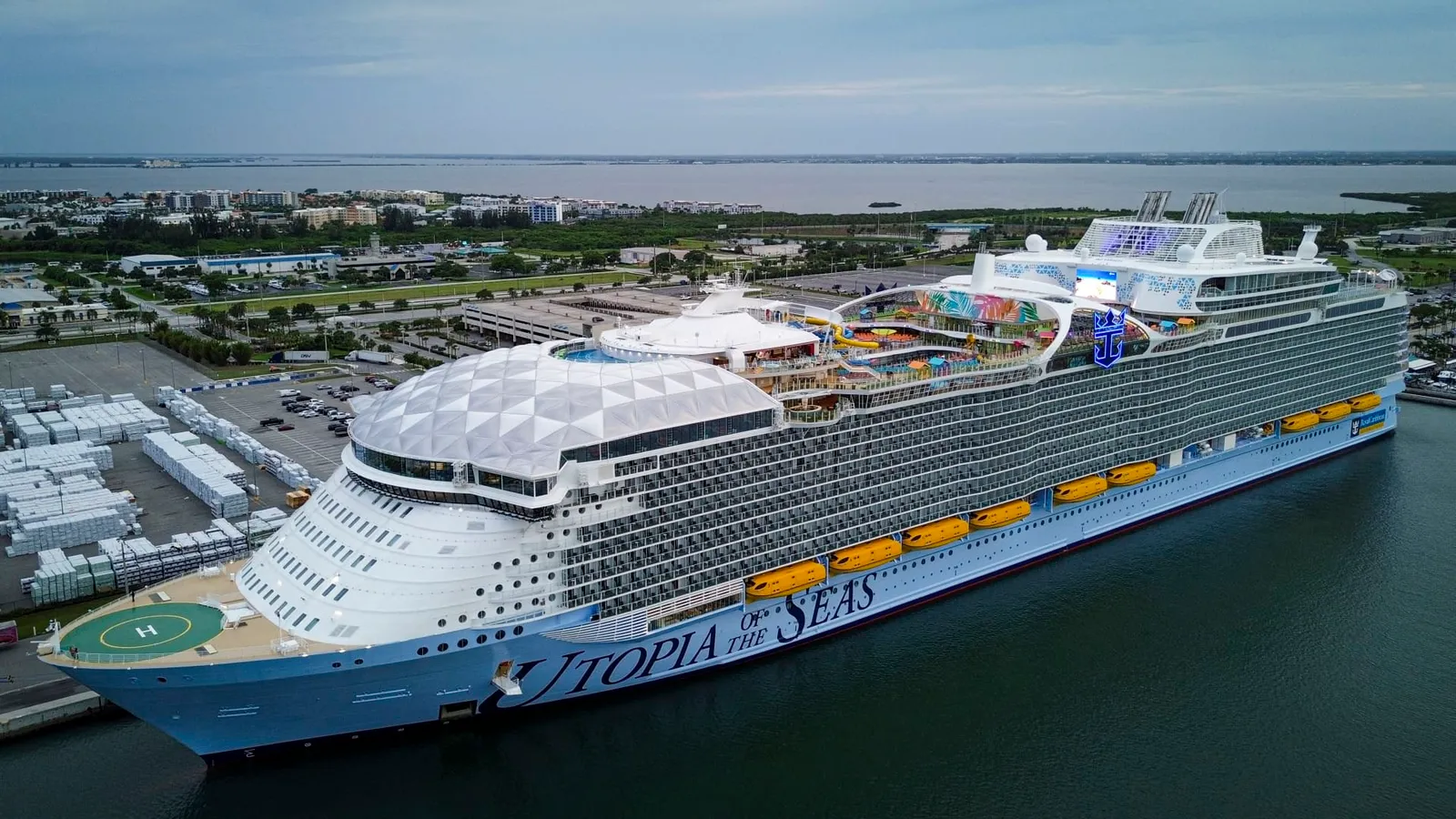
Royal Caribbean just spent $3B to own half of Sandals
The cruise giant is buying a 50% stake in the all-inclusive resort chain for $3 billion, a bet that land-based vacations are the next growth engine.

Paramount's Ellison: Merger Clearance Done, WBD Deal by Oct 1
David Ellison says the Paramount-WBD merger has full clearance after settling with state AGs, clearing the path for an October 1 close.
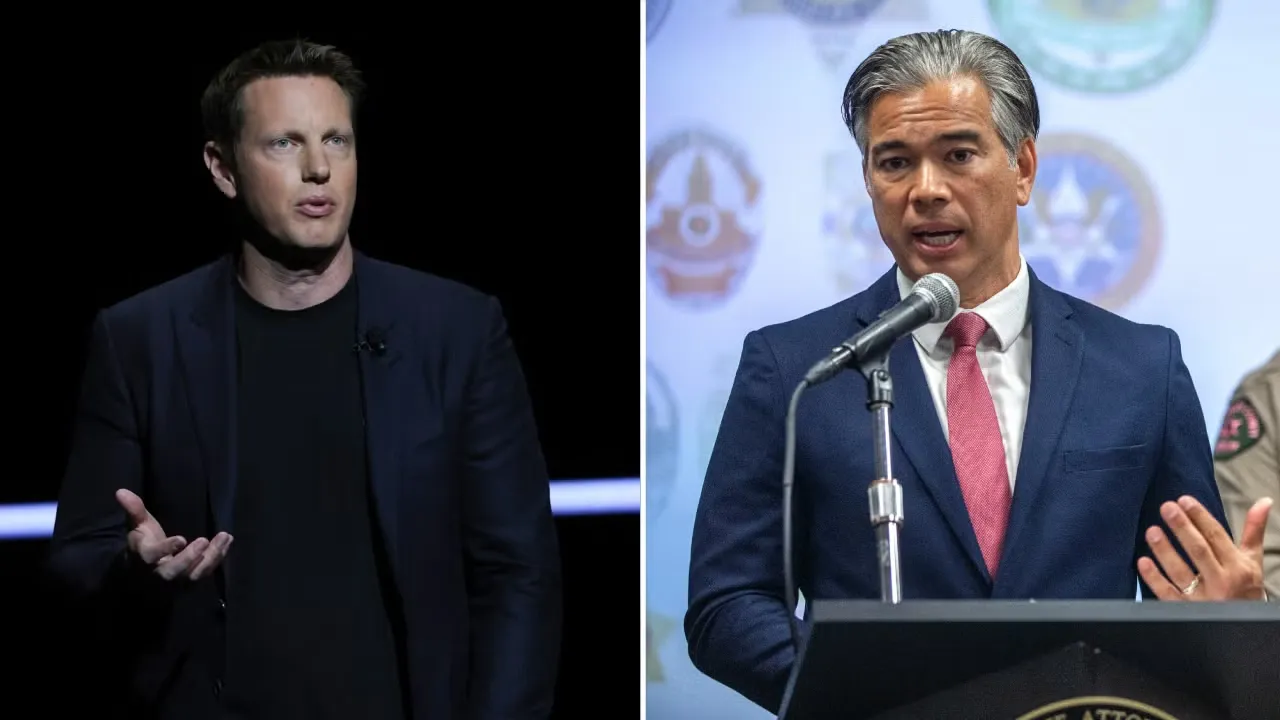
Paramount settles with 12 states, $110B Warner merger clears final hurdle
David Ellison's studio avoids a March trial and a $7M-a-day ticking fee by settling with state AGs over local job losses.