

Google finally ships the all-new Home for $100, now built for Gemini and 360-degree sound
The $100 smart speaker arrives with 360-degree audio and deeper Gemini integration, raising the baseline for voice assistants.

Google has released the all-new Google Home speaker priced at $100, with upgrades that include 360-degree audio and deeper integration with Google's Gemini. For decision-makers, it signals how quickly voice AI is being embedded into mainstream home hardware.
Google’s all-new Home speaker has finally arrived, and it starts at $100. The key upgrades, according to Engadget, are 360-degree audio and deeper integration with Google’s Gemini. Translation: this is not just a hardware refresh for people who already own smart speakers. It is an attempt to make a $100 device feel like the front door to an AI assistant, with sound quality and conversational capabilities that are meant to work across the room.
The 360-degree audio matters more than it sounds, because smart speakers live or die by how consistently they hear you. A broader pickup pattern reduces the awkwardness of talking “just right” into a device, which usually determines whether a voice assistant becomes daily-use infrastructure or a polite novelty. Pair that with deeper Gemini integration, and Google is explicitly aligning the speaker’s core job with the assistant’s core product. The result is a product that is designed to do the thing smart homes always promise, but rarely deliver cleanly: respond reliably in real-world conditions, not only in demos.
This matters in the consumer tech world because voice assistants are not a standalone app category. They are a platform layer that sits on top of speakers, displays, and home automation ecosystems. When Google upgrades the baseline on both audio and AI integration, it changes the expectations customers bring to every similar device. For the broader market, the implication is that “good enough” voice interaction is no longer the bar. It is moving toward “feels natural everywhere in the room,” backed by an assistant that can handle more of what users ask, rather than routing them into narrow, scripted answers.
Executives should also think about this as a bundling and ecosystem move. Hardware like a smart speaker looks small on paper, but it is often the most frequent touchpoint in a household. That makes it a powerful distribution channel for whatever AI capabilities the company wants to push. Deeper integration with Gemini suggests Google is treating Gemini as a first-class assistant experience that should live directly in the listening device. If the speaker can serve as the easiest interface to the assistant, Gemini benefits from what distribution people call “default access,” meaning the most likely path to usage is simply being there.
There is also a regulatory and trust angle hovering over everything in voice AI, even when the product announcement is simple. Regulators and privacy advocates have been pressing for clarity around data collection, consent, and transparency in always-on or voice-activated devices. The more capable the assistant becomes, the more sensitive the “what it can do” question becomes, not just “what it heard.” While Engadget’s piece focuses on the product features, the background reality is that smart speakers sit under a microscope in many markets. That makes integration with a newer AI model, like Gemini, operationally significant. A capable assistant must also be deployed in a way that keeps privacy controls and user expectations front and center.
Second-order implications for boards and leadership teams are worth underlining. First, competitors will treat $100 with AI upgrades as a pricing signal, even if they do not mirror the exact feature set. When a major player introduces a mainstream-priced device with meaningful improvements, it compresses the room for premium differentiation. Second, product roadmaps for voice-enabled hardware may shift faster. If audio improvements and assistant upgrades are landing together, other companies have to decide whether to separate them or keep chasing an integrated experience. Third, there is an incentives question inside organizations. Voice assistant quality improvements often require cross-team coordination between hardware, speech, and AI systems. When those teams ship a unified upgrade, it is evidence of operational momentum, which can influence how investors and partners assess execution.
For executives at consumer electronics firms, smart home platforms, or AI-first product companies, the strategic stakes are straightforward. Google’s all-new Home landing at $100 with 360-degree audio and deeper Gemini integration is the kind of move that resets expectations for everyday AI access. If you build in this space, you do not just compete on what the assistant can do. You compete on whether it feels reliable, audible, and responsive in the messy reality of homes. And when a platform incumbent ties better room-wide audio to a more capable assistant, it becomes harder for users to view voice AI as a feature. It becomes the interface.
This story's Key Insights and Take-aways are locked.
Create a free account to unlock Executive Actions for one credit.
Register to UnlockAlways free for Executives Club members. Join the Club
More in Technology

Nvidia's $89B data center quarter: the 9 companies cashing in
The AI buildout is minting fortunes beyond GPUs, and memory, cloud, and cooling suppliers are riding the same wave.
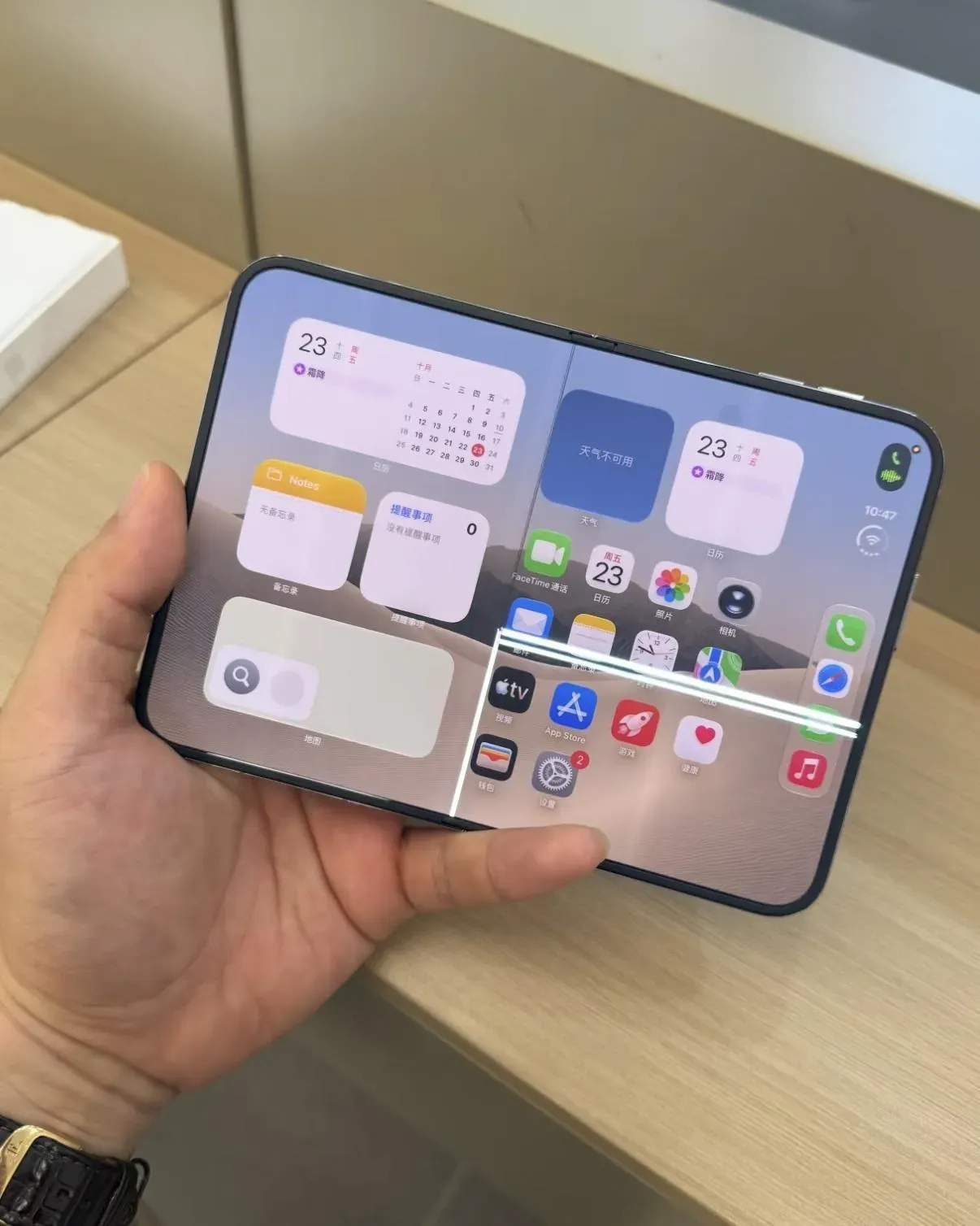
A YouTuber dissected the iPhone Duo and thinks he found crackgate's cause
CuriousHagi's teardown of Apple's foldable reveals a gear-like hinge that may explain why screens crack in the same spot within hours.

Google quietly links your phone number to every Android account on your SIM
Adding a SIM now ties your phone number to all Google accounts - and future accounts inherit it. Here's the security and privacy stakes.