

Green leader Polanski loses by-election as anti-Zionism motion backfires
Labour's Sagal Abdi-Wali holds Holborn and St Pancras, but the Greens' defeat raises hard questions about the cost of divisive positioning.
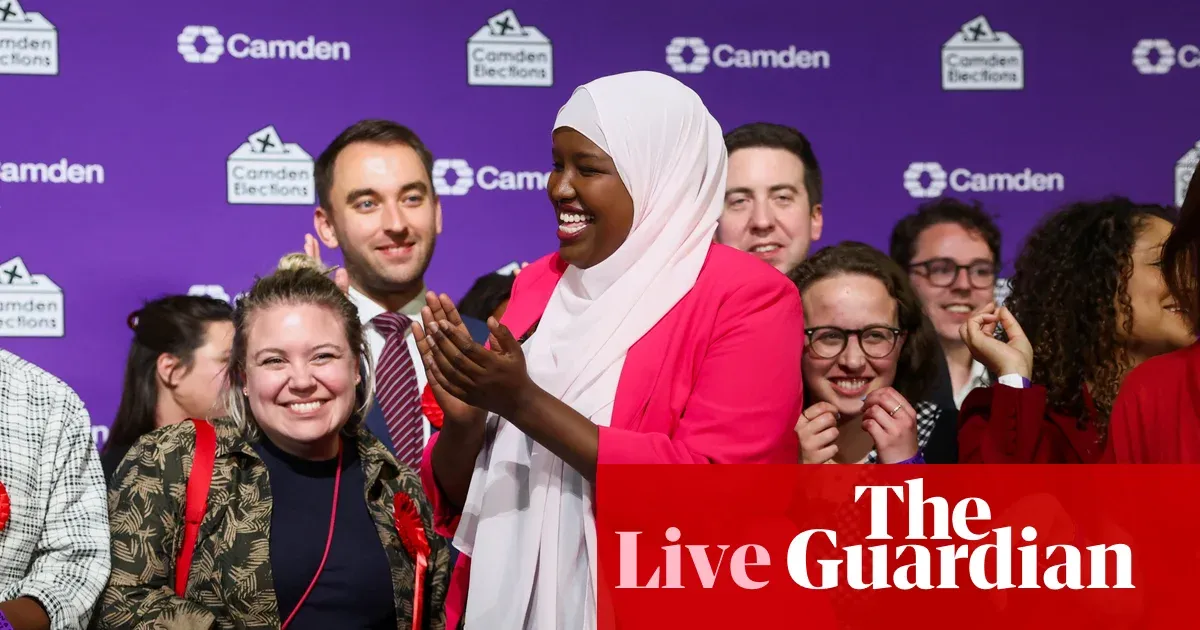
Green party leader Zack Polanski lost the Holborn and St Pancras by-election to Labour's Sagal Abdi-Wali, who retained the seat for her party. The defeat, which Camden activists blame partly on the Greens' motion calling Zionism racism, is a warning about how internal consensus can repel the swing voters a challenger needs.
Green party leader Zack Polanski has been defeated in the Holborn and St Pancras by-election, with Labour's Sagal Abdi-Wali holding the seat - and the party's own activists are pointing to a single, self-inflicted wound: last weekend's decision to back a motion calling Zionism racism. The result is a blow to Polanski, who led the Greens' charge into one of Labour's safest seats, and it lands just as the party hoped to convert recent momentum into a parliamentary breakthrough.
The defeat was not a clean loss. The Greens' own framing insists they came a close second, with the party saying: "It is clear now we will come a close second in this by-election. Taking the fight to Labour in one of its safest seats shows just how far the Greens have come." But the margin matters less than the reason for it. Councillors for both Labour and the Liberal Democrats told the Press Association that voters had informed them they would not back the Greens after the motion passed last weekend - a sign that the party's stance on Zionism is cutting into its coalition.
Holborn and St Pancras is a Labour stronghold, historically one of the party's safest seats in London. By-elections in such seats are rarely about who wins; they are about the size of the victory and the story the losing party can tell. For context, by-elections in safe seats are often read as early warning signals for the governing party, even when the seat itself never changes hands. For the Greens, the story was supposed to be about affordable housing, public ownership of water, and the climate crisis - the issues the party says voters want Labour held to account on. Instead, the by-election became a referendum on the party's internal politics.
The motion itself is the flashpoint. Last weekend, the Green party passed a motion calling Zionism racism, a decision that Camden activists say cost the party votes in this by-election. The Guardian's analysis adds a telling nuance: the defeat will disappoint Greens, but there may also be relief. For a party trying to broaden its appeal beyond its activist base, a loss tied to a divisive motion may be easier to manage than a win that entrenches the controversy and keeps it in the headlines.
The lesson for leaders of any organization - political parties, companies, boards - is the gap between internal consensus and external perception. A decision that satisfies your base can repel the swing voters, customers, or employees you need to grow. The Greens' experience in Camden is a case study in how quickly a values-driven stance becomes a liability when it collides with the broader electorate's priorities. The party's own platform - housing, water nationalization, climate - is broadly popular; the motion was not.
For Labour, the hold is a relief but not a triumph. Retaining a safe seat was the minimum requirement, and the source does not disclose the margin. But the Greens' close-second claim, even if contested, signals that Labour's left flank is willing to challenge it on its own turf. For a governing party, every by-election is a test of whether its coalition is holding, even in seats it expects to win.
The Greens say they will "be there every single day, holding Labour to account and demanding the change people voted for." The by-election result, however, raises a strategic question: can a party that stakes out hardline positions on divisive issues also win over the moderate voters needed to convert protest votes into seats? The tension between purity and growth is not unique to the Greens; it is the same dilemma facing any challenger brand trying to scale.
For executives and boards watching from outside politics, the transferable lesson is this: brand positioning is a portfolio decision. A single stance can define you, for better or worse, and the cost shows up not in the moment of the decision but in the next election, the next sales cycle, the next talent review. The Greens' by-election defeat is a reminder that the people you are trying to win are watching everything, including the motions you pass when you think no one is looking.
This story's Key Insights and Take-aways are locked.
Create a free account to unlock Executive Actions for one credit.
Register to UnlockAlways free for Executives Club members. Join the Club
More in Politics
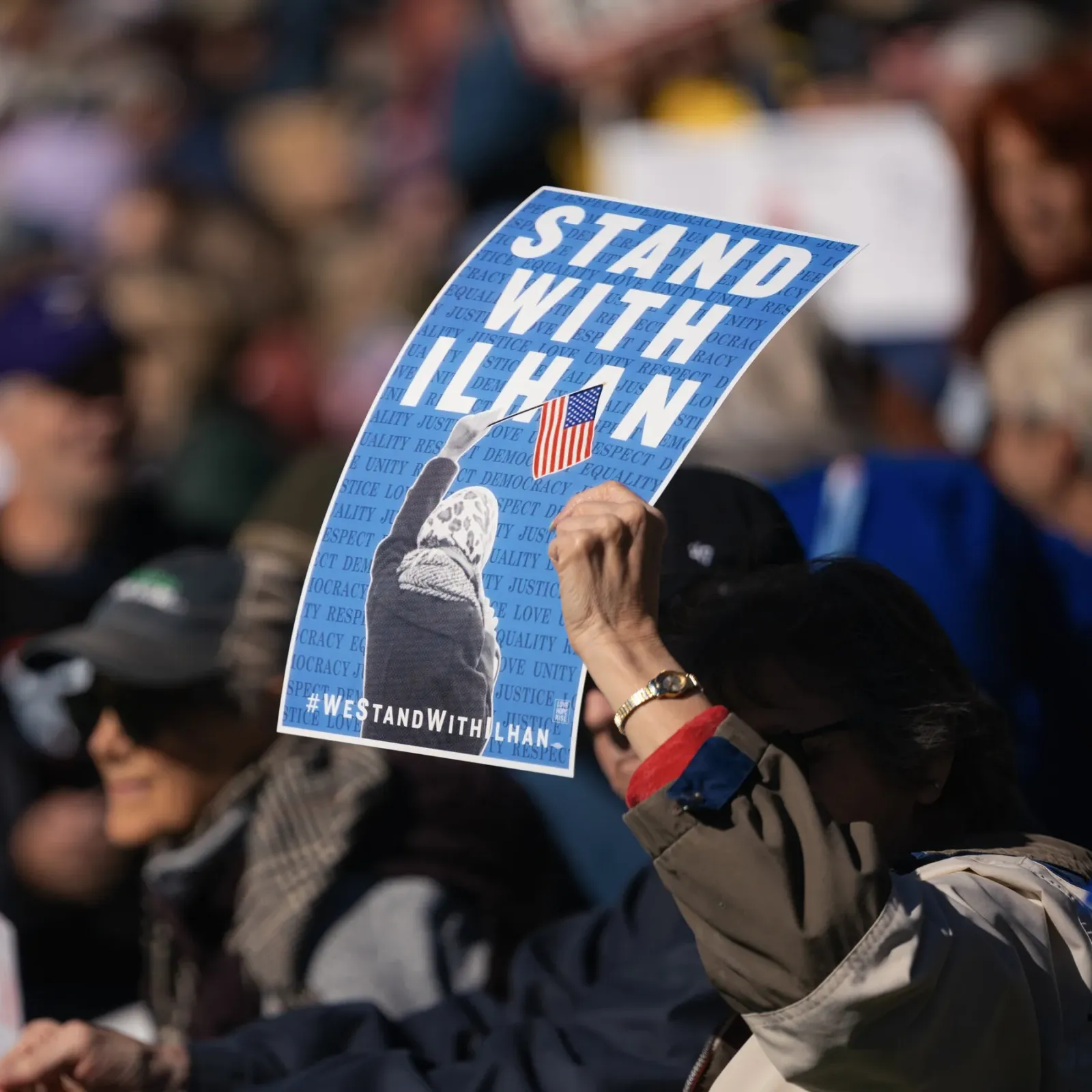
Obama Defends Ilhan Omar After Agents Search Her Home in Trump Inquiry
The former president's intervention raises the stakes in a federal probe into immigration paperwork that has put a prominent progressive lawmaker in the crosshairs.
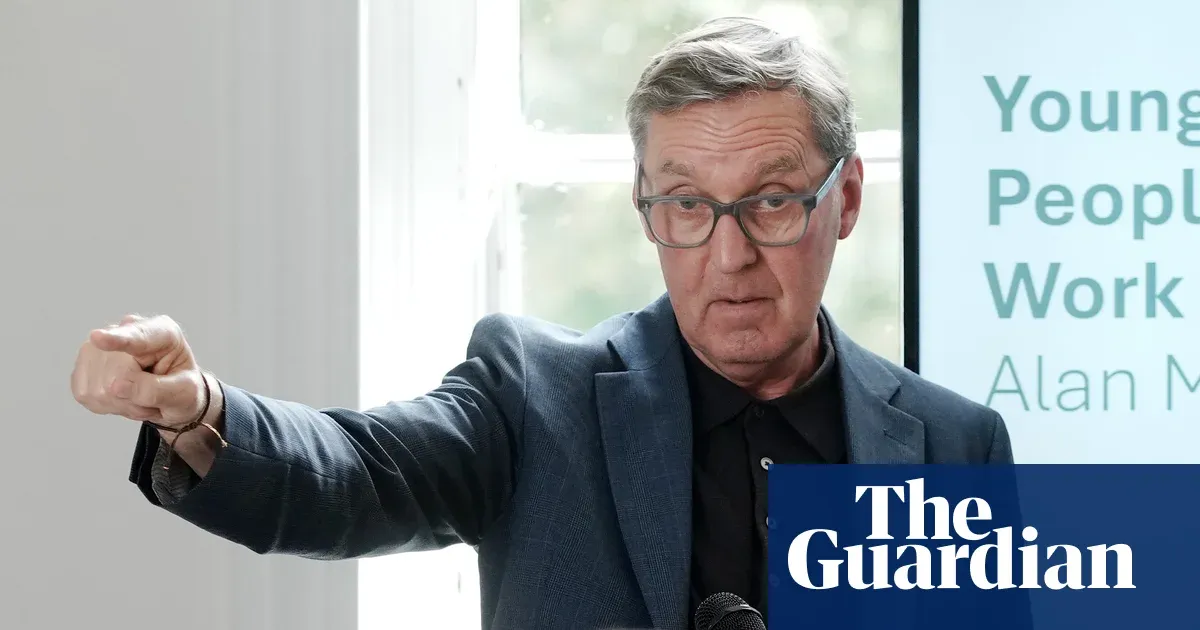
Blair-era minister: cut welfare to fund youth job support
Alan Milburn's call for welfare cuts to fund employment support opens a Labour fight over benefits and the Neet crisis.
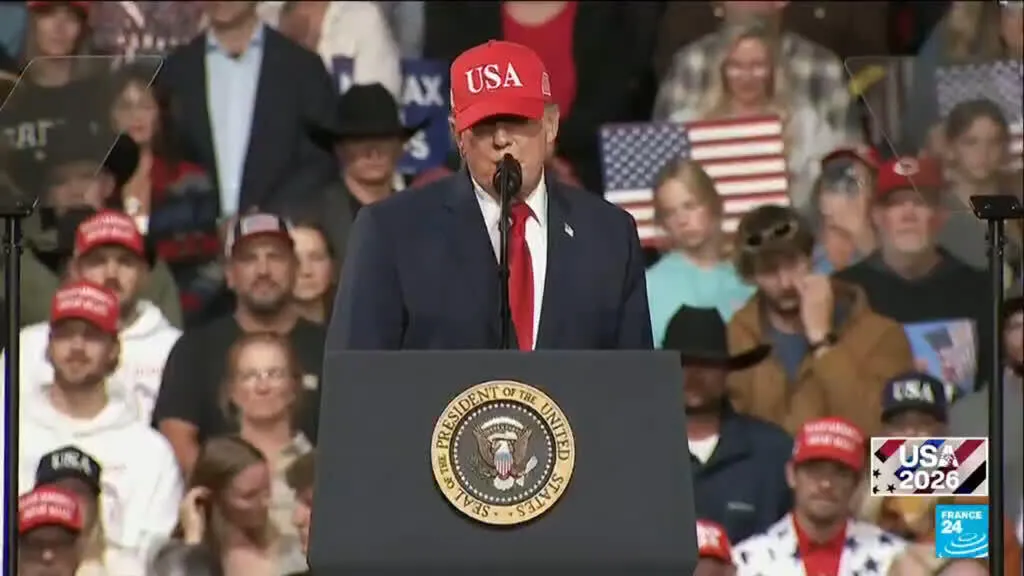
Hot September CPI: energy costs surge, voters feel the squeeze before midterms
The latest inflation print lands as Trump campaigns for GOP control of Congress, putting cost-of-living worries at the center of the midterm fight.