

Gretchen Whitmer backs Haley Stevens in Michigan Senate primary that’s getting nasty
The Michigan governor’s endorsement lands in a contentious Democratic race, reshaping momentum and risk for party power in the state.
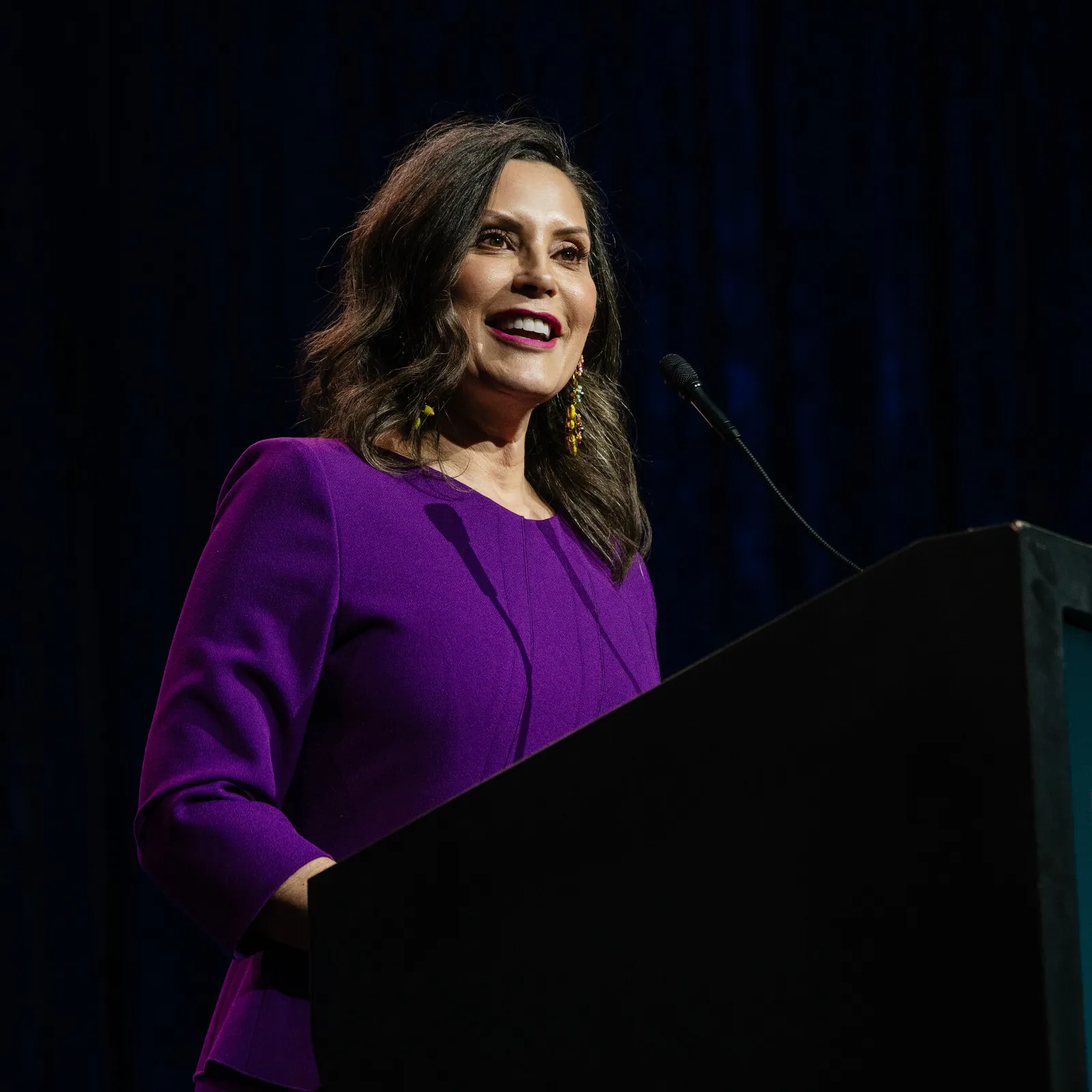
Gov. Gretchen Whitmer is endorsing Haley Stevens in Michigan’s Senate race. The move signals that Whitmer is wading into a high-stakes, contentious Democratic primary tied to this year’s midterm politics.
Gov. Gretchen Whitmer, Michigan’s popular second-term governor, is wading into one of the most contentious Democratic primaries of this year’s midterms by endorsing Haley Stevens. That single sentence from the New York Times is doing a lot of work. It confirms Whitmer is not treating the Michigan Senate race as background noise. She is stepping onto the battlefield.
Why does that matter right now? In a tight, adversarial primary, endorsements do not just “show support.” They can narrow the perceived lane for other candidates, tilt fundraising and volunteer energy, and give party-aligned voters a clearer signal about who looks viable. Whitmer’s involvement also suggests this contest is not settling into polite intra-party disagreement. The Times calls it “one of the most contentious Democratic primaries” of the midterms. Endorsements in those moments are often about more than ideology. They are about coalition management, brand protection, and the sequencing of power.
To understand the stakes, zoom out to how midterm primaries typically function inside the Democratic Party. Primaries can be where the party disciplines its own messaging before the general election. When a governor endorses a candidate, it effectively ties the governor’s political capital to that person’s success. That capital is finite. It is also reputational. If the endorsed candidate underperforms, the governor gets associated with a loss, and the endorsement becomes a liability for anyone who wanted the governor as a safe bet.
At the same time, Michigan is a state where politics does not stay contained inside party lines. The Democratic electorate is big enough to host ideological factions, labor networks, and suburban swing blocs that can disagree sharply on how aggressively to move on specific issues. That creates incentives for candidates to test narratives and attack opponents. If the New York Times describes the primary as especially contentious, it implies those incentives are colliding. Whitmer endorsing Stevens, therefore, is a declaration about what kind of coalition wins in Michigan, at least in this internal phase.
This is where second-order effects kick in for decision-makers, even if your day job is not campaign management. Think of it like a regulatory signaling problem. In politics, as in policy markets, participants watch who is willing to put their credibility on the line. A governor’s endorsement is analogous to a regulator clarifying a rule, or to a board chair making a clear call on strategy. Everyone else then has to decide whether to align, stay ambiguous, or oppose. Alignment can unlock resources and reduce uncertainty. Ambiguity can preserve flexibility but may cost momentum.
And momentum matters because Michigan Senate races, especially during election cycles where the national environment is volatile, often become proxy fights for larger party debates. Even candidates who are not directly competing on every issue still have to navigate the question voters ask: “Who can win?” Endorsements can make the winner-finding function feel more legible. If voters see Whitmer backing Stevens, they may read it as an indicator of organizational support and electability. Conversely, other Democrats in the primary must respond to that signal, either by contesting it or by accelerating their outreach to prove they are a better bet.
There is also a party governance layer. Governors are state executive leaders, not party officials. Yet their endorsements carry unique weight because governors control statewide networks, relationships with local elected officials, and access to institutional credibility. In a contentious primary, that institutional credibility can act like a stabilizer for the endorsed candidate and a pressure point for challengers. It can also force party operatives to commit earlier, reducing their ability to hedge.
For executives and boards watching politics from the outside, this is a reminder that political endorsements can move faster than policy details. The endorsement itself is not legislation. But it can influence which policy priorities get staffed, which messaging becomes mainstream, and how quickly lobbying and advocacy groups recalibrate. When a governor wades into a contentious primary, it often narrows the timeline for tactical decisions by other stakeholders.
So the strategic stakes, in plain terms, are this: Whitmer is using her second-term clout to back Haley Stevens in a high-conflict Democratic primary during the midterms. That move can reshape momentum and coalition behavior inside the party, before the general election even begins. If you are a founder, investor, operator, or simply a decision-maker trying to understand where power is heading, the takeaway is straightforward. Pay attention to who is willing to spend credibility where the fight is hottest, because that is usually where the next phase of governing influence is being lined up.
This story's Key Insights and Take-aways are locked.
Create a free account to unlock Executive Actions for one credit.
Register to UnlockAlways free for Executives Club members. Join the Club
More in Politics
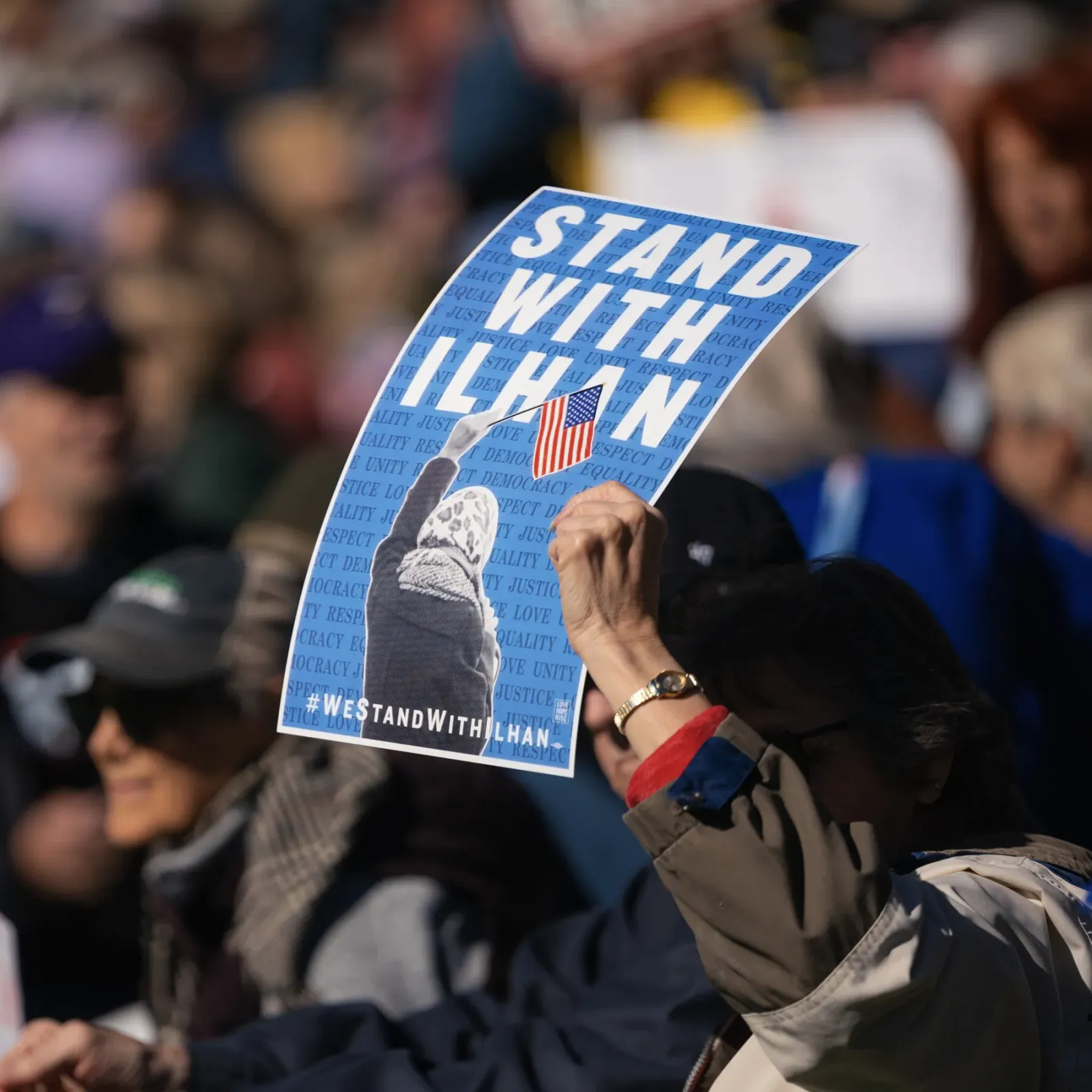
Obama Defends Ilhan Omar After Agents Search Her Home in Trump Inquiry
The former president's intervention raises the stakes in a federal probe into immigration paperwork that has put a prominent progressive lawmaker in the crosshairs.

Blair-era minister: cut welfare to fund youth job support
Alan Milburn's call for welfare cuts to fund employment support opens a Labour fight over benefits and the Neet crisis.
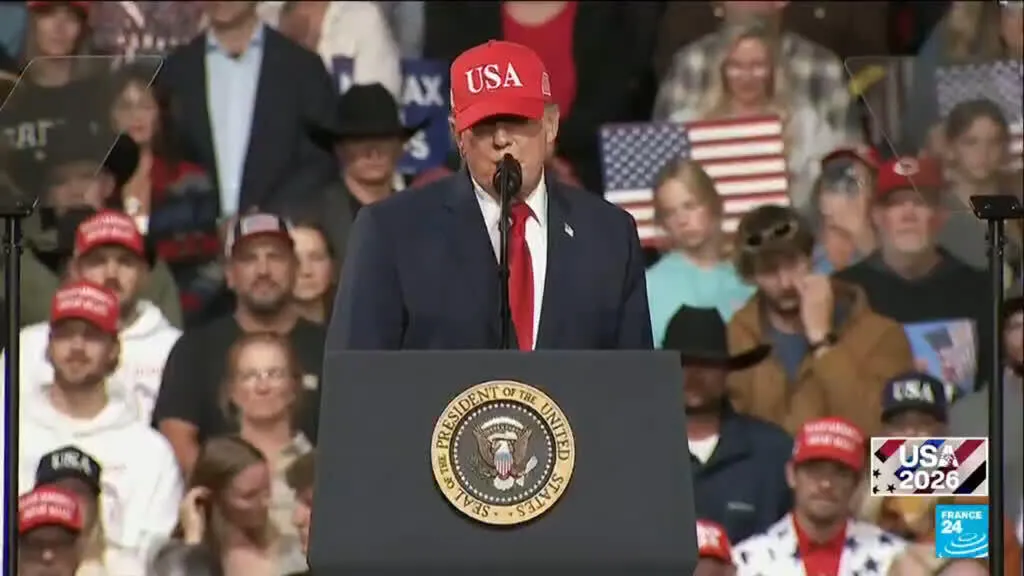
Hot September CPI: energy costs surge, voters feel the squeeze before midterms
The latest inflation print lands as Trump campaigns for GOP control of Congress, putting cost-of-living worries at the center of the midterm fight.