

Grid operator’s power auction could add $6.3B for data centers across 13 states
A new auction is set to translate server growth into billions of added electric charges for consumers and businesses.
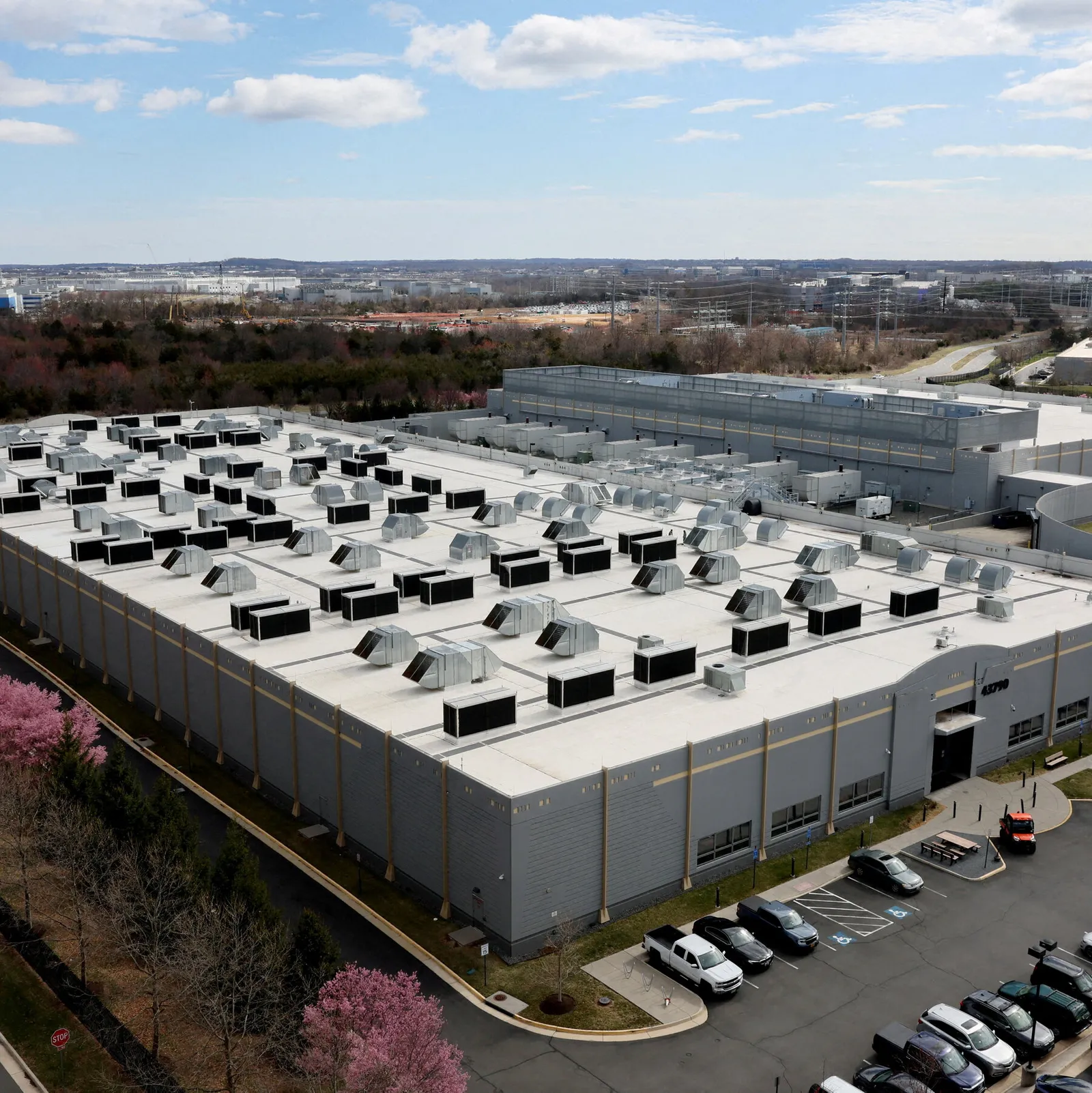
A power auction run by a large grid operator is expected to add $6.3 billion in additional charges as data centers expand electricity demand across 13 states. Decision-makers should treat it as a tangible signal of how quickly AI and cloud buildouts can turn into energy bill pressure.
A power auction conducted by a giant grid operator is expected to add $6.3 billion in additional charges to consumers and businesses, driven by electricity needs of data centers. That amount is not a vague forecast. It is a cost impact that regulators and customers will effectively absorb because the grid has to find the power and resources to serve rapidly growing computing loads.
The auction’s scope matters as much as the headline number: it spans 13 states, meaning the cost pressure is likely to show up on multiple regional electricity bills, not just in one local market. In plain terms, as data centers scale, the surrounding power system has to scale too. If the system has to procure more generation, transmission, or other capacity through a regulated mechanism, those procurement costs get translated into charges for end users.
To understand why an auction can produce bill-sized impacts, you have to know how grid planning typically works in the U.S. electricity system. Grid operators and regional authorities model expected demand and determine what resources are needed to keep the system reliable. When demand growth surprises the forecasts, or when new load (like data centers) arrives faster than existing infrastructure can handle, the question becomes procurement. Regulators often authorize or structure mechanisms that require utilities or grid operators to secure capacity and network capability, and then recover those costs through charges.
Data centers are a special case because their electricity appetite is both large and increasingly time-sensitive. Unlike older industrial loads that might ramp predictably with production schedules, modern data center demand is closely tied to digital services that run continuously. That pushes grid operators to plan not only for energy usage in the abstract, but also for capacity that can reliably meet demand. If auctions or procurement processes are triggered by these new needs, the charges can become large quickly, especially when the buildout is happening across multiple states at once.
This is where the market context gets uncomfortable for executives. Many technology and real estate teams think in terms of capacity, latency, and uptime. Utility planning is different. It is about balancing supply and demand under reliability rules and within constrained timelines for building or upgrading grid assets. When data centers expand faster than local infrastructure, the grid faces a procurement and upgrade problem that has a financial solution, and the cost of that solution flows through to customers. The New York Times reporting frames this as an expected $6.3 billion addition in charges. That is the type of number that can change the economics of hosting deals, commercial lease pricing, and procurement negotiations.
For decision-makers, the second-order implication is that electricity becomes a board-level variable, not just an operational detail. If customers and businesses in the 13 states are hit with additional charges linked to data center power needs, political and regulatory attention tends to follow. That can shape future regulatory proceedings, influence how quickly new capacity gets approved, and affect the appetite for new load interconnection projects. Even without assuming any specific regulatory outcome, the basic logic is consistent: when system costs rise, regulators and stakeholders pay attention to who caused them, how they were measured, and whether the charges are proportional.
There is also a strategic takeaway for peers running grids, utilities, or businesses that rely on power-intensive growth. Auctions like this are a signal that procurement is being pulled forward by real demand, not just by long-range planning. For CFOs and boards, the practical issue is budgeting and contracting assumptions. For builders and operators of data centers, the practical issue is that “power availability” and “power price” increasingly move together. And for everyone in the ecosystem, including investors evaluating data center expansion, the expected $6.3 billion in additional charges is a reminder that compute growth ultimately competes for constrained physical infrastructure, and the costs do not disappear. They get assigned, collected, and recovered across consumers and businesses in the affected states.
This story's Key Insights and Take-aways are locked.
Create a free account to unlock Executive Actions for one credit.
Register to UnlockAlways free for Executives Club members. Join the Club
More in Business

T. rex sells for $50M, eclipsing Ken Griffin’s $44.6M stegosaurus to set auction record
The $50 million T. rex sale makes it the priciest dinosaur fossil ever auctioned, reshuffling the “trophy” market.

SK Hynix opens at $170, raises $26.5B, and tops foreign IPO records
In Friday's Wall Street debut, SK Hynix turns AI RAM demand into a $26.5B fundraising moment that rewrites comps.

China lands a reusable Long March booster, a first that matches SpaceX and Blue Origin
A barge landing and net-based recovery move China from theory to proof, reshaping the reusability race and satellite ambitions.