
Grow a Garden 2 tops 300M Roblox visits in week with farm-theft night mode
A new 2:30 darkness raid mechanic turns plant grabbing into a high-risk, high-reward loop that already went nuclear.
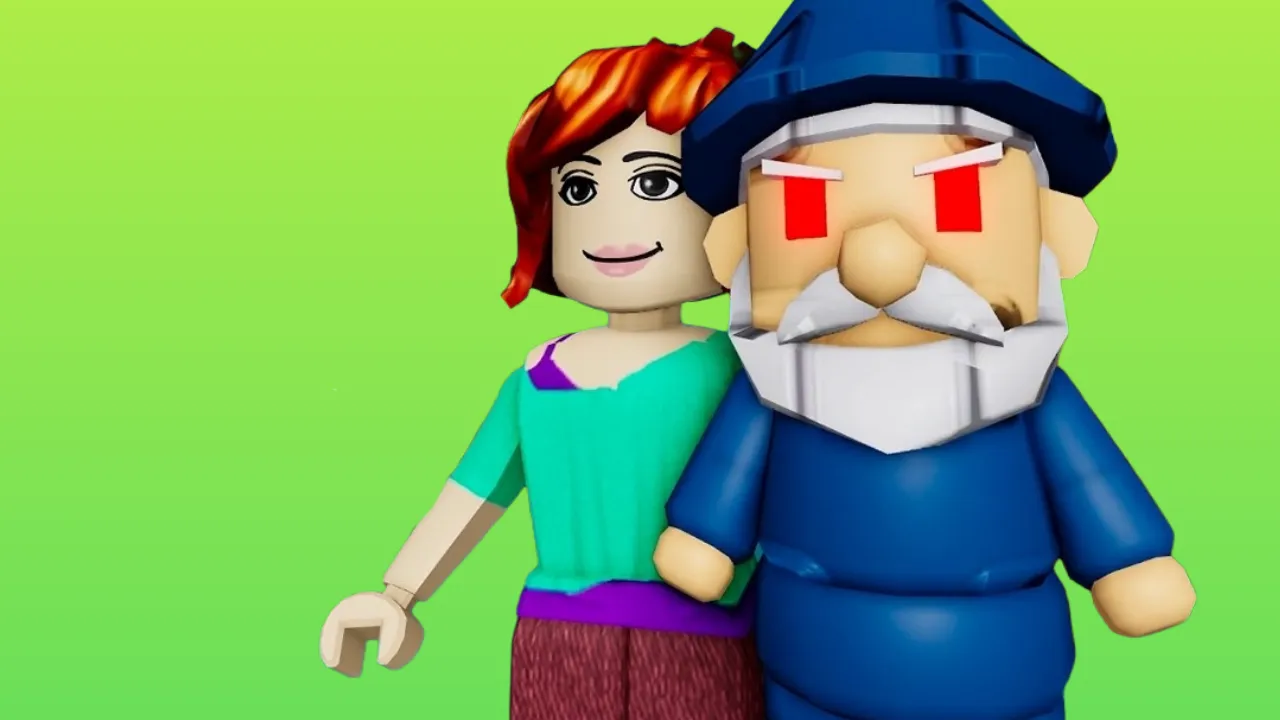
IGN reports Grow a Garden 2 launched on Roblox last week and has already hit over 300 million visits. The sequel adds a nighttime stealing mechanic, plus purchasable props and a new Guild system that reshapes how players compete and defend.
Grow a Garden 2 just launched on Roblox and already crossed 300 million visits in its first week, according to IGN. That number matters because it is not a slow burn. It is a fast signal that the sequel’s new gameplay loop is immediately sticky, social, and conflict-driven.
The core reason is right in the mechanics. Grow A Garden 2 introduces a nighttime stealing window: during 2:30 minutes of darkness, you can trespass into another player’s farm, grab some plants, and then “hightail it” back to your own turf. The “catch” is that the victims might be online and ready to respond, using shovel-based vigilante justice, traps, or even an investment in a garden gnome meant to defend the garden. In other words, the game is turning what is normally a passive farming activity into a timed raid economy where everyone knows they could be targeted.
For anyone thinking about user acquisition, engagement design, or monetization mechanics, this is a pretty clear incentive structure. In the original Grow A Garden, theft existed too, but it cost Robux. In Grow a Garden 2, IGN frames the cost differently: you can chase your vegetable heist dreams, and the only real penalty is the danger of getting caught. That shift can change player behavior fast. Removing a direct Robux cost for initiating raids lowers the friction to try the loop, which typically increases participation. And when participation rises, the visit count can spike quickly because more players see raids happening, feel the stakes, and jump in to either steal or defend.
The sequel also expands how players spend, and where they spend it. Grow A Garden 2 adds props that can be purchased in the center of the market area at the Prop Shop. The range is wide, from a mythic Teleporter Pad Crate that costs 50,000,000 Sheckles to a Ladder Crate that is common and costs 30,000. Those numbers are not just trivia. They hint at a layered economy where players can go cheap for functional upgrades, or aim for high-cost, high-impact items. For a game business, that kind of spread supports both casual engagement and higher-value spending paths.
IGN also points to a major upcoming feature: Guilds. The Guild system is designed around team play and recurring competition. Players can work together to compete in weekly contests and score exclusive rewards. IGN gives an example event called Biggest Plant, where the task is to harvest the heaviest plant in your plot. This matters because it reframes motivation. Instead of only “my farm vs your farm,” it becomes “our guild vs other guilds,” with weekly cadence that can bring lapsed players back and keep active groups busy.
Now add defenses to the mix. The gnomes become one of the most interesting pieces of the whole ecosystem. If you can find one at the item shop, they are epic rarity, and if you have 100,000 Sheckles to spend, you can have a gnome patrolling your garden to deter thieves. But each gnome lasts for ten minutes, so defense is time-boxed. That detail changes the strategy landscape: players are not just buying invincibility, they are buying a short-lived window of protection. When attackers choose their timing and defenders manage their gnome uptime, the game effectively turns raids into a tactical chess match nested inside a farming sim.
So what does all of this mean beyond fun little farm drama? For executives and board-level readers, fast-visit velocity like “300 million visits in the first week” is the kind of early traction metric that can influence internal priorities quickly. A product that shows immediate mass adoption tends to attract attention, from investors monitoring engagement signals to competing developers watching how the community responds to conflict mechanics. It also has operational implications: when players are actively raiding, defending, and trading attention through Guild contests, community moderation and system reliability become more important. Even if no one is talking about regulation in the source, the subtext is clear for platform and game operators. Roblox ecosystems run at huge scale, and games that spike engagement fast also spike the number of interactions that need to behave safely and consistently.
There is also an ecosystem effect to consider for peers building within Roblox or adjacent interactive platforms. Grow a Garden 2 is combining several engagement drivers in one package: timed “darkness” conflict, player-to-player theft with a built-in risk of retaliation, purchasable props with real price points, and a new Guild layer for weekly competitive structure. When those pieces click together, you get a loop where players are motivated to log in because something might happen to them, something might happen to their rivals, or their group might be competing soon. That is the kind of design synergy that can turn a sequel into an event.
If you are leading a game, a creator studio, or an investment team tracking the next engagement winner, the question is not just how many visits Grow a Garden 2 got. It is why the mechanics are forcing players into constant attention: a 2:30 raid window, defenses that last ten minutes, an economy with both cheap and mythic targets, and Guild contests like Biggest Plant that push participation beyond solo play. The first week number tells you it landed. The features explain why it is likely to keep moving.
This story's Key Insights and Take-aways are locked.
Create a free account to unlock Executive Actions for one credit.
Register to UnlockAlways free for Executives Club members. Join the Club
More in Business

A flaw in PHP just forced governments to pull their own sites offline
European agencies from Belgium to Germany took websites dark to patch a critical weakness in the language behind almost 70% of the web, and the blast radius extends far beyond government portals.

BioWare shuts down, Mass Effect 5 dead after $55B EA buyout
The legendary RPG studio's closure lands months after a $55 billion investment group buyout of EA, raising tough questions for gaming's biggest acquirers.

Musk weighs Tesla-SpaceX mega-merger as boards form review panels
Special committees at both companies will examine a tie-up that could fuse electric vehicles and space launch, forcing a fresh look at governance and valuation.