

GTA 6 is crashing on PS5s, and error CE-108255-1 is blocking the story
A story-blocking crash on Sony's flagship console turns a launch-week bug into a retention and reputation problem for Rockstar and Take-Two.
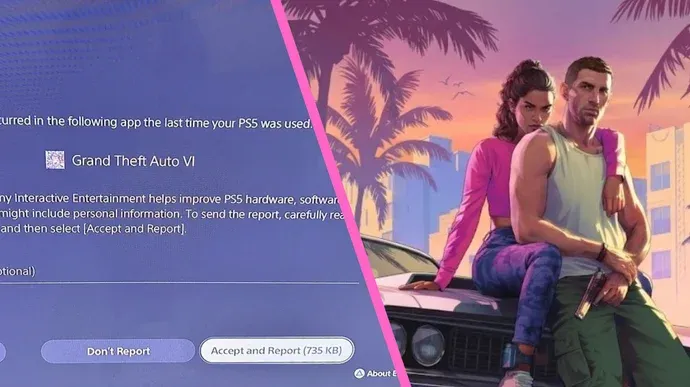
Rockstar Games' Grand Theft Auto 6 is crashing on some PlayStation 5 consoles with error code CE-108255-1, and in some cases the crashes are stopping players from progressing through the story. For publishers and platform holders, the episode is a reminder that launch-week stability is now a live-operations and reputation risk, not just a QA checkbox.
Grand Theft Auto 6 is crashing on some PlayStation 5 consoles, and the error code players keep seeing is CE-108255-1. According to Eurogamer, the crashes are not just an annoyance: in some cases they are stopping players from progressing through the game's story. That is the detail that turns a routine launch bug into a genuine problem. A crash you can shrug off is one thing. A crash that walls you off from the next mission is another, because the player has no workaround, no alternate route, and no way to keep going until the game stops falling over.
So what is CE-108255-1? It is a PlayStation 5 system-level error code, the kind the console typically throws when an application has crashed, rather than a message written specifically for GTA 6. In plain English: the game fell over, the console noticed, and it handed the player a code instead of a fix. That distinction matters for how the problem gets solved. A code like this usually points to a stability issue inside the software, which means the remedy generally arrives as a patch rather than as a change to the console itself.
Context for why anyone outside a forum thread should care: Grand Theft Auto is one of the largest entertainment franchises on the planet, and Rockstar Games, its developer, sits inside Take-Two Interactive. A GTA release is not a normal game launch. It is a cultural event that pulls in players who do not otherwise buy games, and it lands on a publisher whose results are closely tied to how the franchise performs. When the flagship product stumbles in its opening stretch, the ripples reach well past the people staring at an error screen.
The launch window is where reputations get set. Reviews, word of mouth, streaming numbers, and the first wave of social clips all land in the same few days, and they compound. A story-blocking crash is exactly the kind of thing that travels faster than a patch: a player who cannot finish a mission is far more likely to post about it than a player who is simply enjoying the game. Historically, studios have absorbed this by shipping hotfixes quickly and communicating clearly, because the alternative, silence while players are stuck, is what turns a technical bug into a trust problem.
There is also a platform angle. Sony certifies games for the PS5, and certification processes at console makers typically include stability and compliance checks before a title is allowed to ship. That does not mean a game can never crash after launch; it means the bar is meant to catch the worst cases. When a crash code starts circulating widely, the question for both the publisher and the platform holder is how fast a fix can be verified and pushed, because console patches go through their own review before they reach players.
For players currently stuck, the usual first moves in this situation are the standard PS5 remedies: confirm you are on the latest game and system software, restart the console, and if the crash repeats at the same point, reinstalling the title is a common next step. Eurogamer's report points to steps players can try, which is the right framing. These are workarounds, not fixes. The actual fix has to come from the developer.
Zoom out and the story is bigger than one error code. Modern blockbuster games are enormous, live, and patched continuously, which means quality is no longer a moment of release but an ongoing operational commitment. That shifts where risk sits inside a publisher: not just in marketing and development, but in the live operations, QA, and community teams that have to detect, diagnose, and ship a fix while a global audience is watching. A launch is now the start of a service relationship, and the first week sets the tone for it.
The strategic stakes for peers are straightforward. Any company shipping a flagship product into a global audience faces the same asymmetry: the upside of a clean launch is large, but the downside of a broken one is concentrated, public, and immediate. What to watch now is simple. Whether a patch lands, whether the crash reports thin out, and whether the publisher says anything at all. In the meantime, the players hitting CE-108255-1 are the ones paying for the gap between shipping a game and finishing it.
This story's Key Insights and Take-aways are locked.
Create a free account to unlock Executive Actions for one credit.
Register to UnlockAlways free for Executives Club members. Join the Club
More in Entertainment
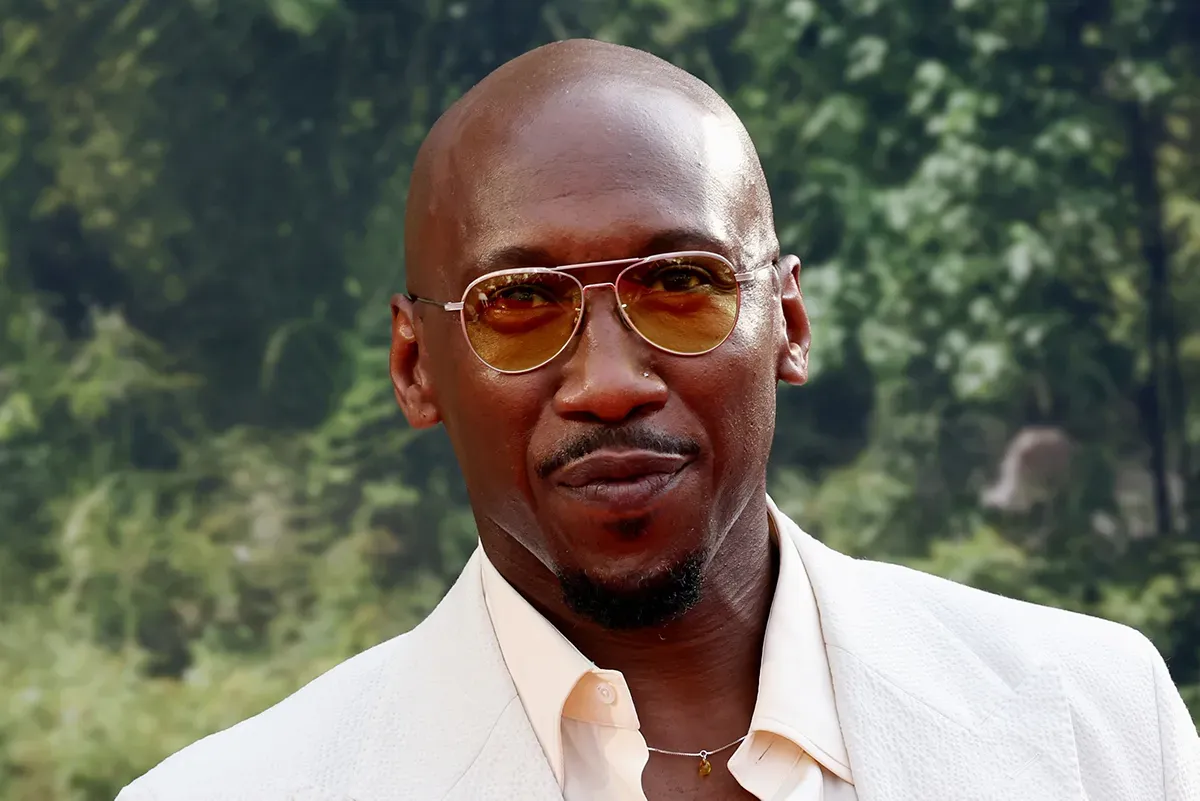
Mahershala Ali's Two Oscars Buy Him Nothing: 'There Are Not Roles for Me'
The two-time Oscar winner told the 7PM in Brooklyn podcast that his trophies do not unlock work in 'the vast majority of projects,' a blunt read on what Hollywood's franchise economy actually rewards.
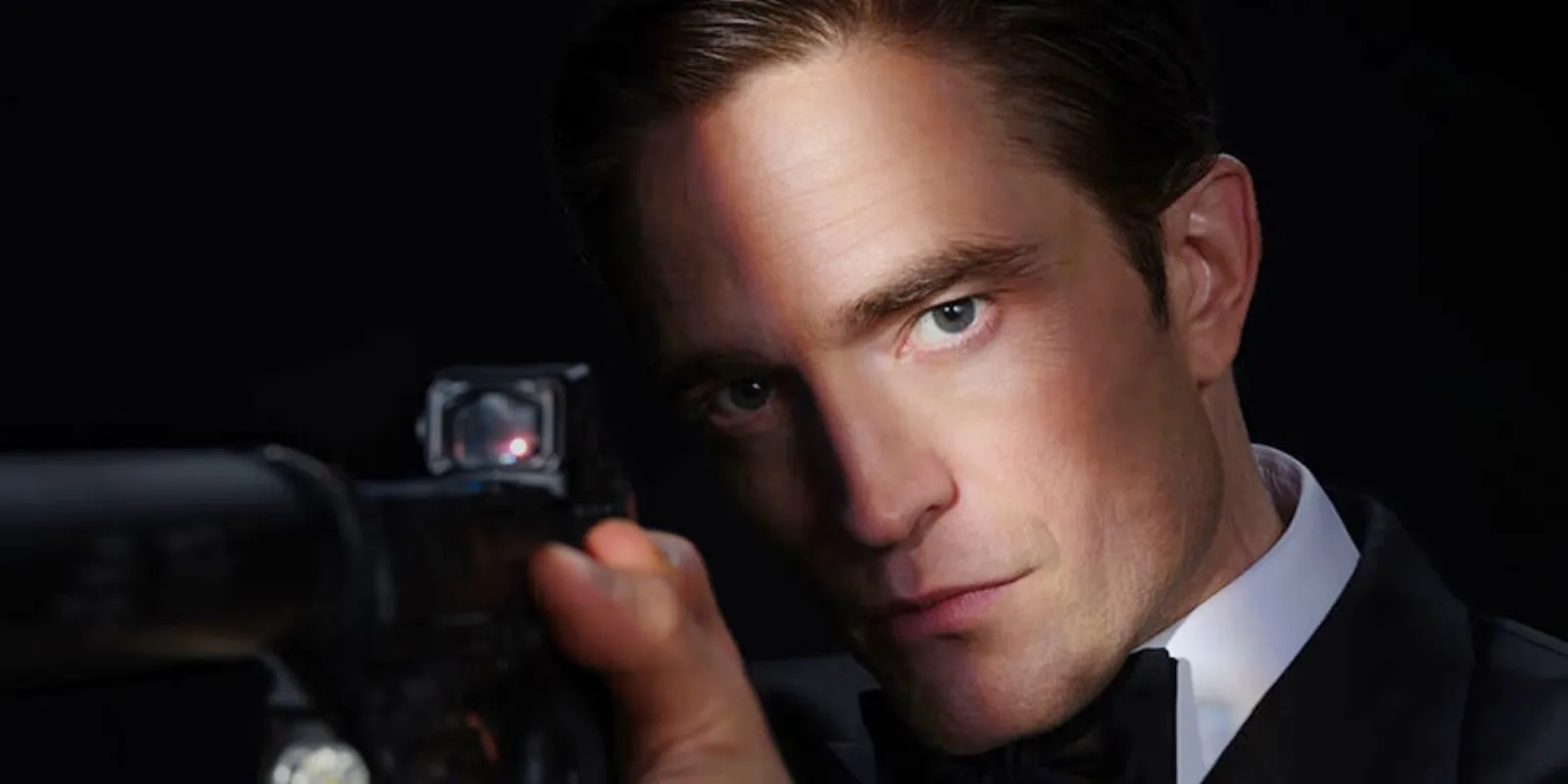
Robert Pattinson Is 007: Amazon's Bond Pick Sends a Divisive Film Surging
Amazon confirmed Pattinson as Bond under Denis Villeneuve, and within days the franchise's most controversial entry started climbing the streaming charts, a reminder that casting is catalog strategy.

GTA 6 Ate Nearly a Quarter of Comcast's Traffic on Its Biggest Day
Comcast says the November 19 launch pushed network traffic 31% above an average day, and the fine print on its own chart is the part operators should read twice.