
GTA 6’s download-only plan revives the disc debate: here’s what really changes
A disc-less rollout for GTA 6 signals how publishers may cut costs and rethink distribution, friction, and enforcement.
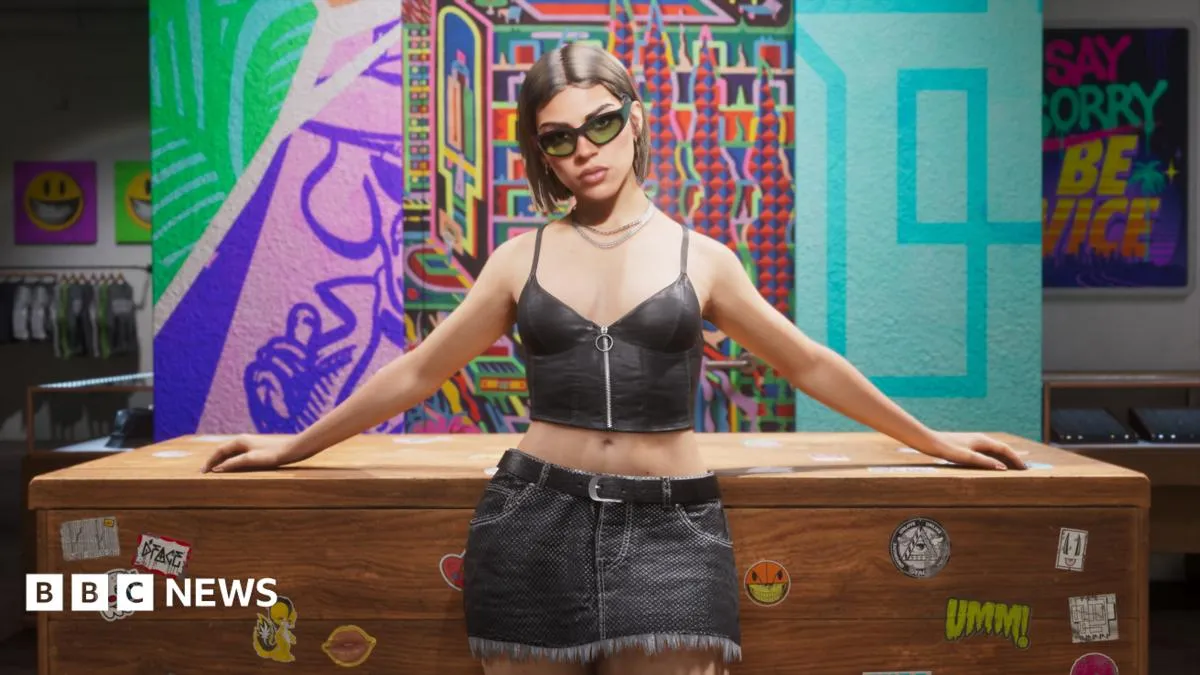
BBC News Technology reports that GTA 6 will launch as a download-only release, raising whether physical media is truly dying in gaming. For decision-makers, it changes expectations around distribution margins, customer friction, and how regulators and enforcement shape access.
BBC News Technology reports a new reality for one of gaming’s biggest brands: GTA 6 will launch as download only. The headline question is the right one. If the game arrives without discs, is gaming heading the same way music and films went, where physical formats largely faded and the default became digital access?
Let’s answer that directly. A download-only launch does not automatically mean “discs are dead.” It does mean Rockstar and its publishing partners are optimizing the first day and the core sales motion around digital delivery. In other words, instead of starting with boxed product on shelves, the launch is built for platforms that can meter access immediately, update quickly, and measure demand with less guesswork about what sits in warehouses or returns. For the players, it shifts what “buying” looks like. For decision-makers, it shifts where revenue is earned and how costs are managed.
To see why this is a big deal, it helps to remember how music and films moved from physical to digital. Over time, studios and labels leaned into streaming and downloads because they reduced distribution frictions and gave companies a faster path to adjust catalogs, pricing, and packaging. But there is a difference in gaming. Games are bigger than an album and stick around longer than a movie weekend. They also have a different relationship with patches, online services, and changing requirements. When a product lives on digital channels, updates can arrive seamlessly. When a product ships on discs, the physical version has to be complete at “ship time,” or players end up downloading big day-one fixes anyway.
Download-only also changes incentives inside publishing and boardrooms. Digital distribution shifts some cost structure. It reduces spend tied to manufacturing physical media, warehousing, logistics, and retail shelf negotiation. It can also reduce uncertainty around demand forecasting, because there is no inventory question at the same scale. The tradeoff is that you now depend more heavily on platform ecosystems and their commercial terms. Distribution is not just a delivery method anymore. It is where platform policies, take rates, and account-level mechanics determine how revenue shows up.
Then there is the practical question executives worry about: what happens when customers want friction removed. A download-only release can be simpler for people who have high-speed internet and who already buy games digitally. For those with spotty connectivity, it creates a different kind of barrier. That is why the “disc is dead” framing is too binary. Companies can still keep physical media in the long tail, offer bundles for regions that demand them, or use physical as a collector option rather than a core sales engine. A download-only launch is a launch strategy, not a permanent philosophical verdict.
Regulatory and enforcement dynamics add another layer. Music and film’s digital shift has been tangled with rules around copyright enforcement, regional licensing, and how platforms control access. Gaming operates under similar pressures, especially when distribution is centralized in digital storefronts. When access is digital-only from day one, it can also make auditing and compliance simpler for rights holders because purchases, downloads, and account entitlements are tracked in-platform. That does not eliminate piracy, but it changes the “front door” of consumption and can reduce some forms of leakage that were tied to physical channels.
For publishers and studios watching GTA 6, the second-order implications are about timing and execution. Launching as download only tests how well the market accepts a new default for buying, not just whether the game is good. If it works smoothly, it becomes a proof point that can justify more aggressive digital-first rollouts across catalogs and regions. If it stumbles, it can pressure boards to diversify distribution options sooner, because the cost of customer friction shows up in conversion rates and first-week performance.
Finally, there is a brand-level implication. GTA 6 is not a niche title. Its release model is a signal to investors and competitors that the big platforms are comfortable moving distribution further into digital. That matters because once the largest franchise in your segment normalizes a behavior, customers start to treat it as the baseline, and retail partners lose bargaining leverage. Even if discs remain for collectors, the commercial center of gravity moves.
So does GTA 6’s download-only plan mean the disc is dead? The accurate version is narrower and more useful. The disc is no longer the center of gravity for the launch. Digital becomes the primary mechanism for sales, updates, and entitlement. For executives, that is the strategic stake: your launch economics and platform dependence are changing, and everyone who is still thinking in shelf terms needs to catch up fast.
This story's Key Insights and Take-aways are locked.
Create a free account to unlock Executive Actions for one credit.
Register to UnlockAlways free for Executives Club members. Join the Club
More in Entertainment
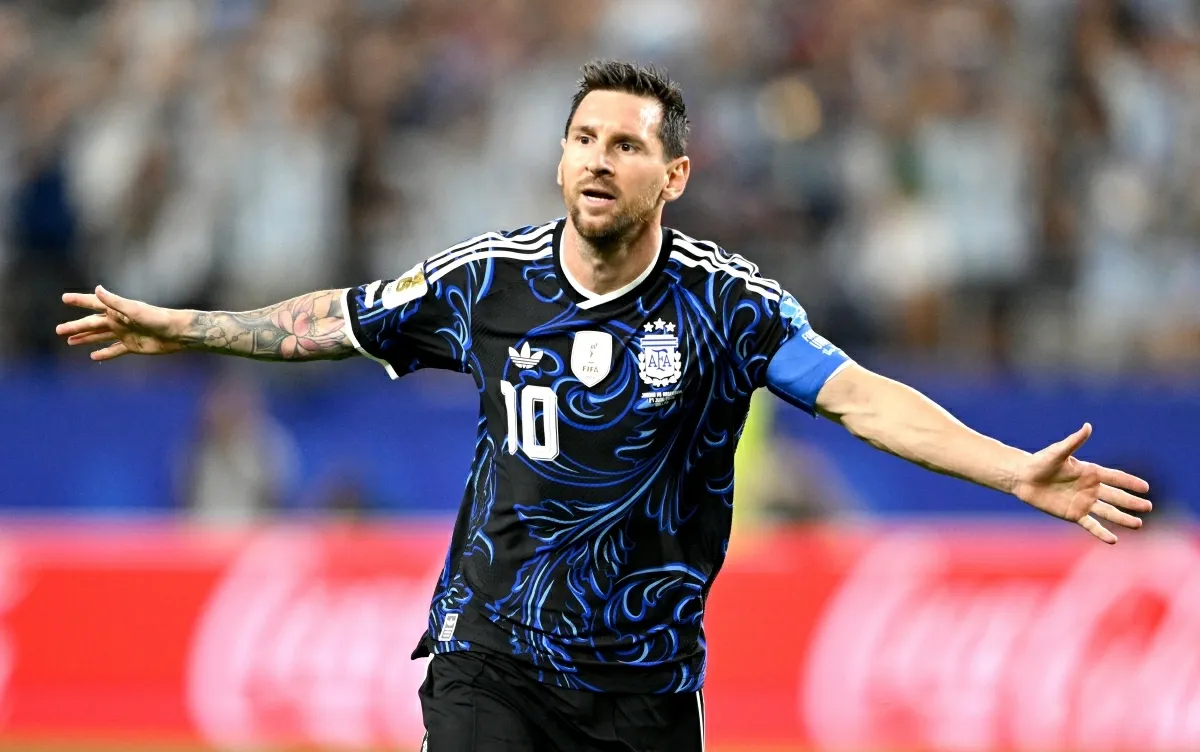
Messi scores his seventh straight World Cup game, leapfrogging Mbappe to Golden Boot lead
Argentina rotated, Jordan almost answered, then Messi’s 80th-minute free kick locked in seven straight scoring matches.

GTA 6’s $80 base price is the new gravity, analysts say, and only blockbusters can win
After GTA 6 launches in November, pricing pressure will spread, but $80 will be reserved for a select few.
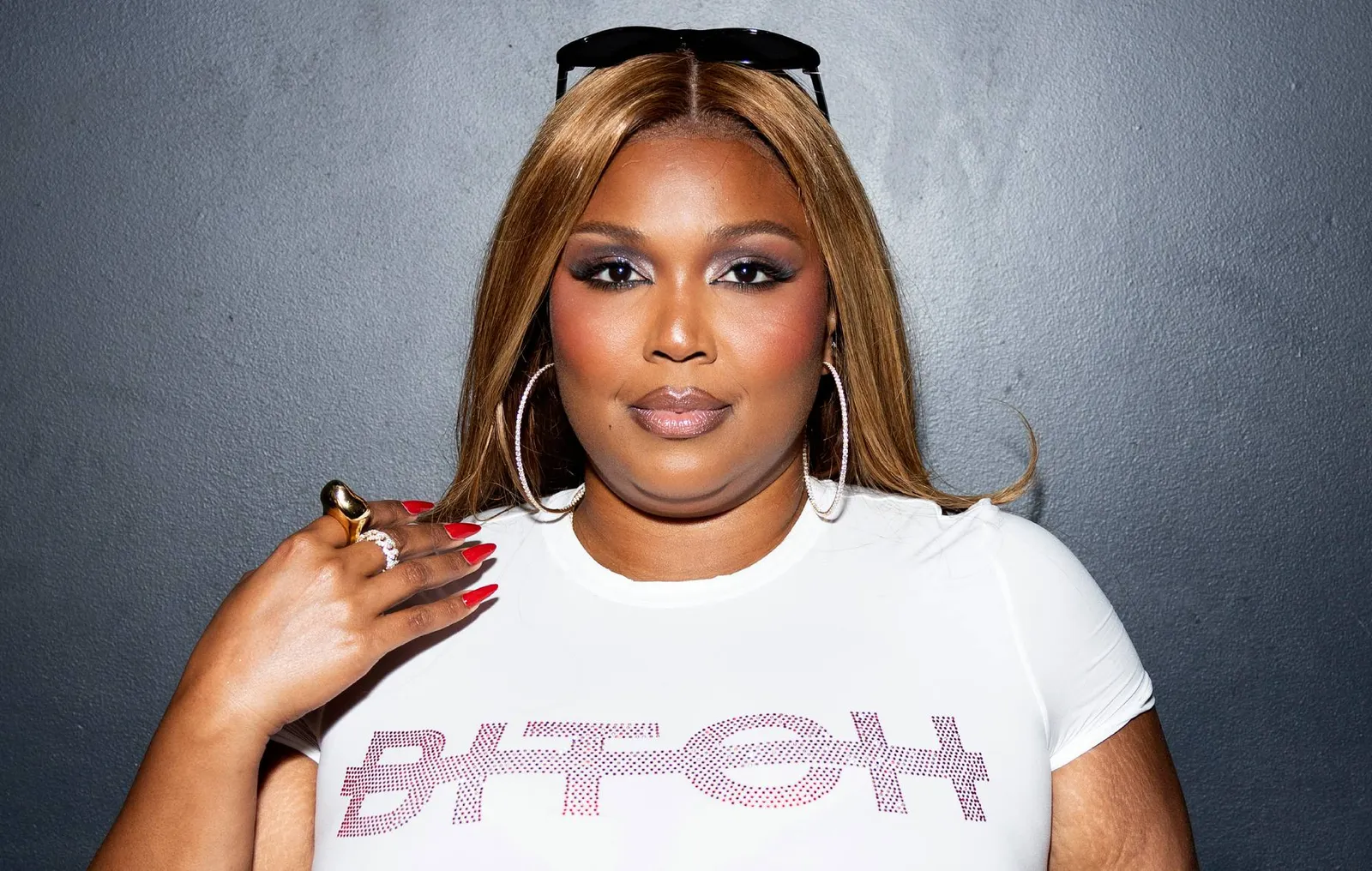
Lizzo says chart miss forced a “mourn that” reckoning with radio, not music
Her fifth album ‘Bitch’ missed key charts after a June 5 release, and Lizzo explains what changed.