
GTA 6's narrative chief: we're all 'two bits of bad luck' from losing it
Rockstar's Rupert Humphries says Jason and Lucia were built to be seen, not just played, and explains why GTA 6 trades GTA 5's cynicism for something warmer.
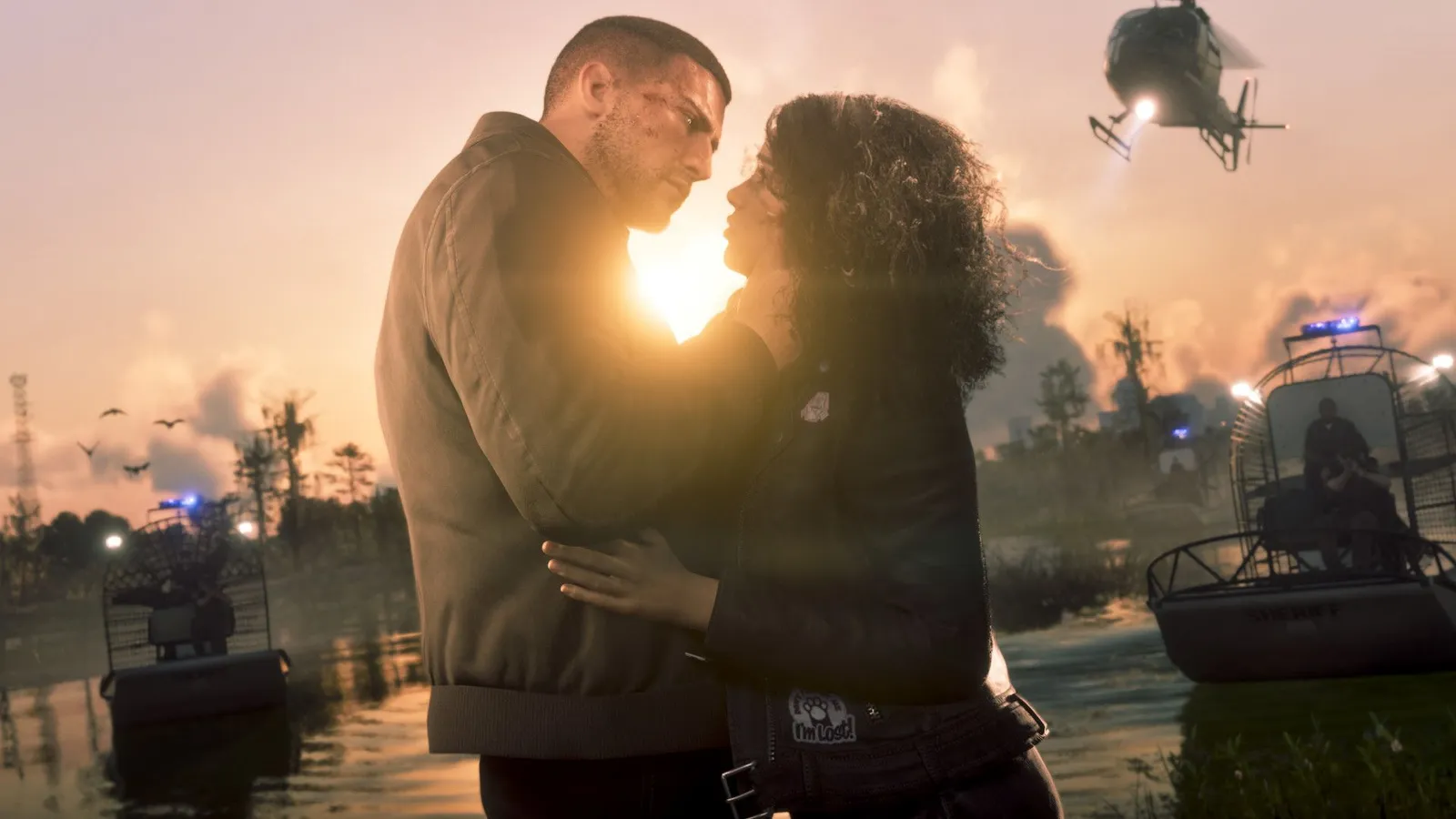
Rupert Humphries, Rockstar Games' senior vice president of narrative, says GTA 6's central design goal is player connection to Jason and Lucia, framed by his claim that everyone is 'two bits of bad luck away from completely losing it.' For leaders in entertainment and consumer products, the move signals that relatability, not spectacle, is being positioned as the franchise's next competitive moat.
Rockstar Games has a thesis for GTA 6, and it is not about heists. Rupert Humphries, the studio's senior vice president of narrative, says the primary design goal is a feeling: connection. "Playing GTA 6, the main thing we want players to feel is connection," Humphries told GamesRadar+. "To Jason and Lucia, who they need to believe in and inhabit for this journey through the game, but then also that connection in the game between the two characters." That is a striking thing to say about a franchise famous for mayhem. It is also the clearest signal yet that Rockstar is building its next blockbuster around empathy rather than attitude.
Humphries grounds that goal in the real world, not just the fictional one. "Living in the actual world in this present moment, it feels like there is so much noise and so much pressure on everyone - politics, the environment, media, social media," he said. "It's coming at you from everywhere. It seems like we are all about two bits of bad luck away from completely losing it." That line is the load-bearing wall of GTA 6's setting. The Vice City and wider Leonida that Rockstar is showing players is a place where, in Humphries' words, "everyone's been driven to a kind of madness that comes out in lots of different ways, from conspiracy theories to self-help cults to get-rich-quick schemes and drug habits."
The design consequence is that Jason and Lucia are not meant to read as supervillains. They are meant to read as recognizable. The couple does not have many options outside the criminal ones, and the game, in GamesRadar+'s reading, gives them real, personal, human stakes that make their robberies, and worse, land less like spectacle and more like consequence. As the couple says in the game, the world is stacked against them; they cannot get ahead by playing by the rules. That is a deliberate reframe of what a GTA protagonist is for, and it is the part of the pitch that has to survive contact with players.
The bigger shift is tonal. GTA 5 carried a generally cynical world view. GTA 6, by Humphries' account, is reaching for something warmer. "With all that going on, we wanted to have two humans at the center of the story that the player can care about and see themselves in," he said, "and then this idea that maybe (however bad you are) we might all be better off when we're together and not going it alone." Read that twice. The studio behind one of the biggest franchises in entertainment is betting that optimism, not nihilism, is the stronger hook in today's attention economy.
For anyone who builds products for a living, the interesting part is not the plot. It is the mechanism. Rockstar is treating relatability as an acquisition and retention strategy. A player who believes in Jason and Lucia has a reason to keep playing that has nothing to do with a mission marker. A player who sees themselves in them has a reason to talk about the game, defend it, and come back. In a market where audiences are saturated, skeptical, and quick to smell manufactured sentiment, "we want you to feel connection" is a harder promise to keep than "we built a bigger map." Rockstar is publicly committing to the harder one.
There is real tension in that bet. GTA's brand equity was built on satire and provocation, and a warmer, more earnest entry risks reading as a tonal retreat to the fans who came for the bite. Humphries' answer is embedded in his own framing: the madness is still there, in the conspiracy theories, the self-help cults, the get-rich-quick schemes, the drug habits. The satire has not been removed. It has been relocated from the joke to the backdrop, so the two people at the center can be the part you root for. That is a harder craft problem than writing a punchline, and it is the one Rockstar says it is solving.
For executives in any storytelling business, the takeaway is blunt. The most durable products do not just occupy attention; they create attachment, and attachment is built from characters people can locate themselves inside. Rockstar's narrative lead is saying, on the record, that his studio's biggest swing is aimed at that feeling rather than at shock value. Whether GTA 6 lands will be judged in sales and in discourse, but the strategy is already visible: in a world Humphries describes as noisy, pressurized, and one bad break from unraveling, the pitch is not escape alone. It is company. As he put it, "we might all be better off when we're together and not going it alone."
This story's Key Insights and Take-aways are locked.
Create a free account to unlock Executive Actions for one credit.
Register to UnlockAlways free for Executives Club members. Join the Club
More in Entertainment
Mahershala Ali's Two Oscars Buy Him Nothing: 'There Are Not Roles for Me'
The two-time Oscar winner told the 7PM in Brooklyn podcast that his trophies do not unlock work in 'the vast majority of projects,' a blunt read on what Hollywood's franchise economy actually rewards.
Robert Pattinson Is 007: Amazon's Bond Pick Sends a Divisive Film Surging
Amazon confirmed Pattinson as Bond under Denis Villeneuve, and within days the franchise's most controversial entry started climbing the streaming charts, a reminder that casting is catalog strategy.

GTA 6 Ate Nearly a Quarter of Comcast's Traffic on Its Biggest Day
Comcast says the November 19 launch pushed network traffic 31% above an average day, and the fine print on its own chart is the part operators should read twice.