

Gulf states arrested 1,000+ for filming Iranian strikes since Feb. 28
Crackdowns across Jordan and US-aligned Gulf countries aim to stop image circulation and uphold denials of strike targets.

Since the Iran-US conflict began on February 28, more than 1,000 people have been arrested in Jordan and Gulf countries allied with Washington for trying to document Iranian strikes. The governments involved are using arrests to deter footage sharing and maintain an official narrative that the strikes did not reach their targets.
More than 1,000 people have been arrested for trying to document Iranian strikes in Jordan and in Gulf countries allied with Washington since the conflict between Iran and the United States began on February 28. That figure is not a footnote. It signals a deliberate, coordinated push to control what the public sees, and it reveals how governments treat information as an operational risk during fast-moving military crises.
The underlying message from these governments is equally direct: they have sought to deter the circulation of images and maintain an official narrative denying that the strikes reached their targets. In other words, the fight is not only happening in the air. It is also happening on phones, in uploads, and in the story that gets believed by markets, allies, and domestic audiences.
For decision-makers in the region and beyond, this kind of crackdown matters because it changes the information environment. When authorities move to stop or limit documentation, it becomes harder for journalists, analysts, and even internal stakeholders at companies operating in or near impacted areas to verify claims in real time. That can ripple outward into how risk is priced, how reputations are managed, and how quickly organizations can form a clear operational picture. In markets, uncertainty is expensive. If what people see is filtered through arrests and denials, then uncertainty can persist longer than the underlying event.
It also raises familiar questions that boards and compliance leaders know well from other high-stakes contexts: who is allowed to document, what counts as acceptable publication, and what enforcement looks like when political narratives and public visibility collide. The source describes arrests linked to attempts to document Iranian strikes in Jordan and Gulf countries. Even without details on charges, the fact pattern points to a strong deterrence strategy. The intent is to make documentation risky enough that fewer people try, and that the footage that does exist is less likely to spread.
There is also a second-order implication for the broader coalition dynamic. Gulf countries allied with Washington are not acting in a vacuum. The source frames their posture as part of their response during an Iran-US conflict, which suggests they are aligning with a broader official narrative. When governments prioritize narrative control in allied states, it can create a more unified set of claims for diplomatic and security channels. But it can also increase friction if independent reporting contradicts the official line. Even if the governments maintain denials, the more arrests occur, the more attention the crackdown itself attracts.
From a governance perspective, executives should think about how these dynamics intersect with communications, crisis management, and legal risk. In environments where image capture is treated as sensitive, the operational perimeter for staff and contractors can expand or contract quickly. Companies with teams traveling through the region or working in media-adjacent contexts may face increased uncertainty around compliance with local enforcement practices. Meanwhile, subsidiaries and partners that rely on digital communications could see disruptions in both networks and behavior, as people become more cautious about recording and sharing.
Finally, this story is a reminder that modern conflicts increasingly include an information campaign, and state responses can be swift and public. Since February 28, arrests have been used to deter the circulation of images and protect an official narrative that denies strikes reached targets. For peers in leadership roles, the strategic stakes are clear: in crises like this, controlling visibility can affect trust, market sentiment, and the speed at which facts form. The executives managing regional operations, brand reputation, and risk cannot afford to treat information control as background noise. It is part of the battlefield.
This story's Key Insights and Take-aways are locked.
Create a free account to unlock Executive Actions for one credit.
Register to UnlockAlways free for Executives Club members. Join the Club
More in Politics
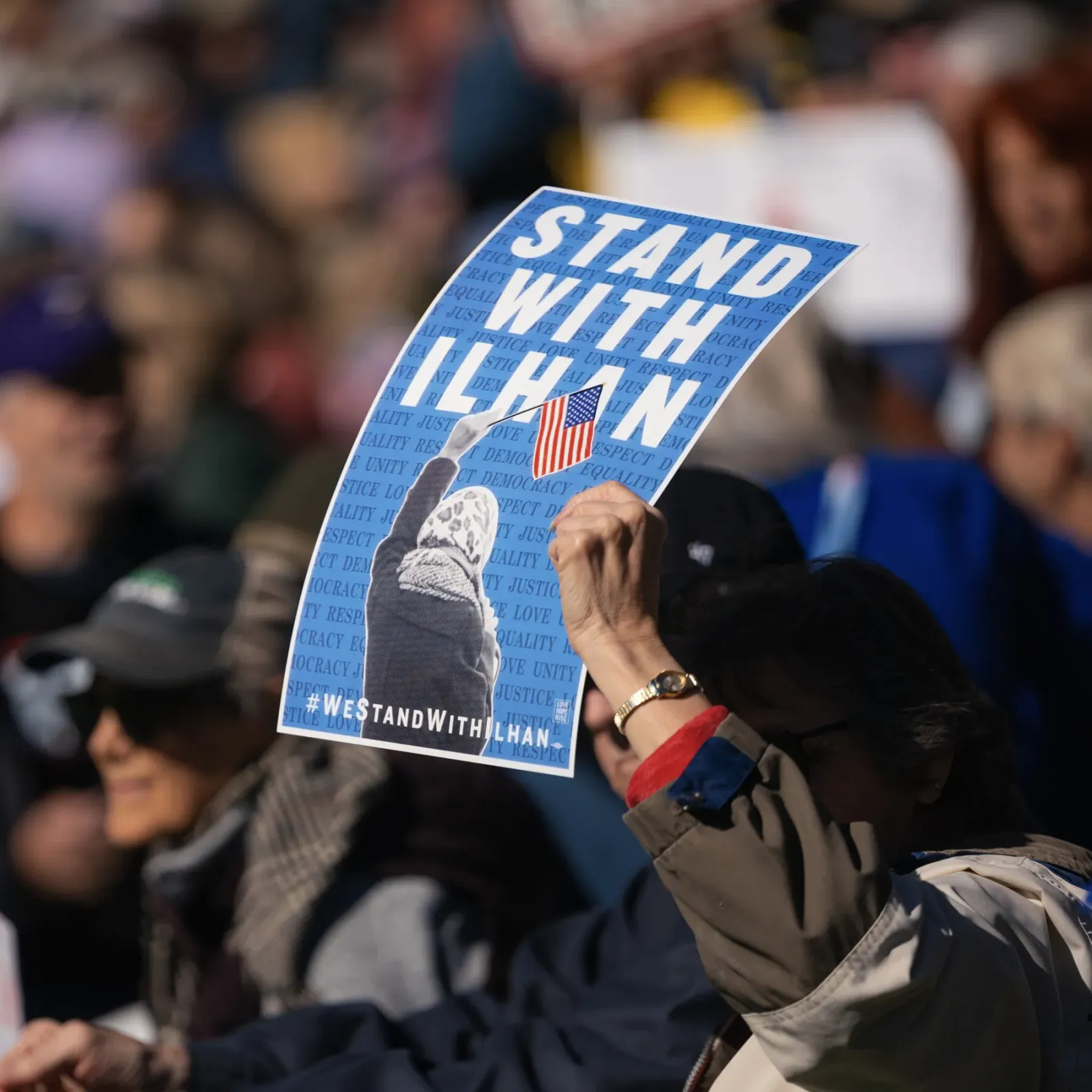
Obama Defends Ilhan Omar After Agents Search Her Home in Trump Inquiry
The former president's intervention raises the stakes in a federal probe into immigration paperwork that has put a prominent progressive lawmaker in the crosshairs.

Blair-era minister: cut welfare to fund youth job support
Alan Milburn's call for welfare cuts to fund employment support opens a Labour fight over benefits and the Neet crisis.
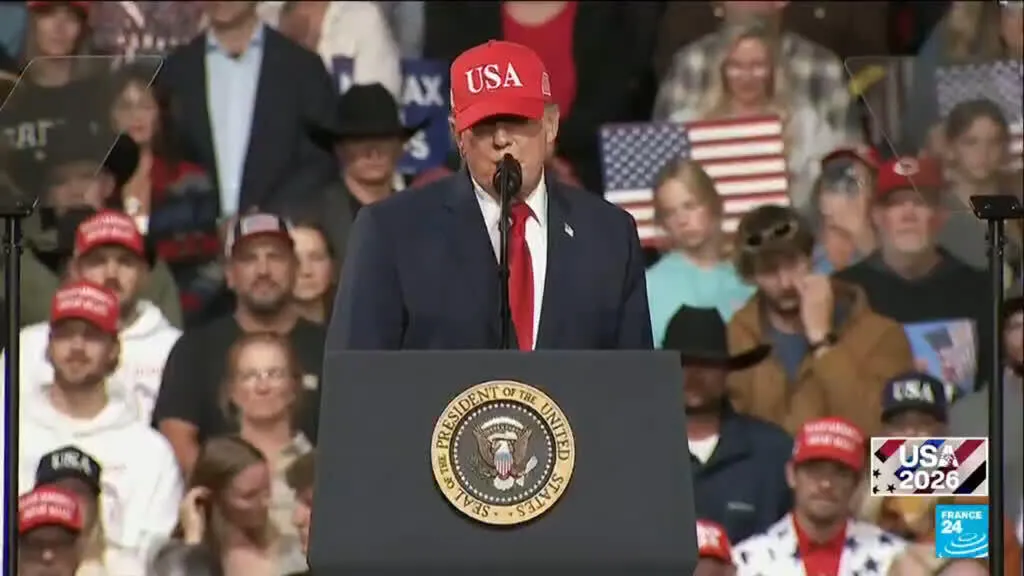
Hot September CPI: energy costs surge, voters feel the squeeze before midterms
The latest inflation print lands as Trump campaigns for GOP control of Congress, putting cost-of-living worries at the center of the midterm fight.