

GVI closes without refunds, leaving UK gap year volunteers thousands short after July 1 liquidation
After GVI removed its website on 1 July, students who paid for overseas wildlife and marine projects say they lost their money.
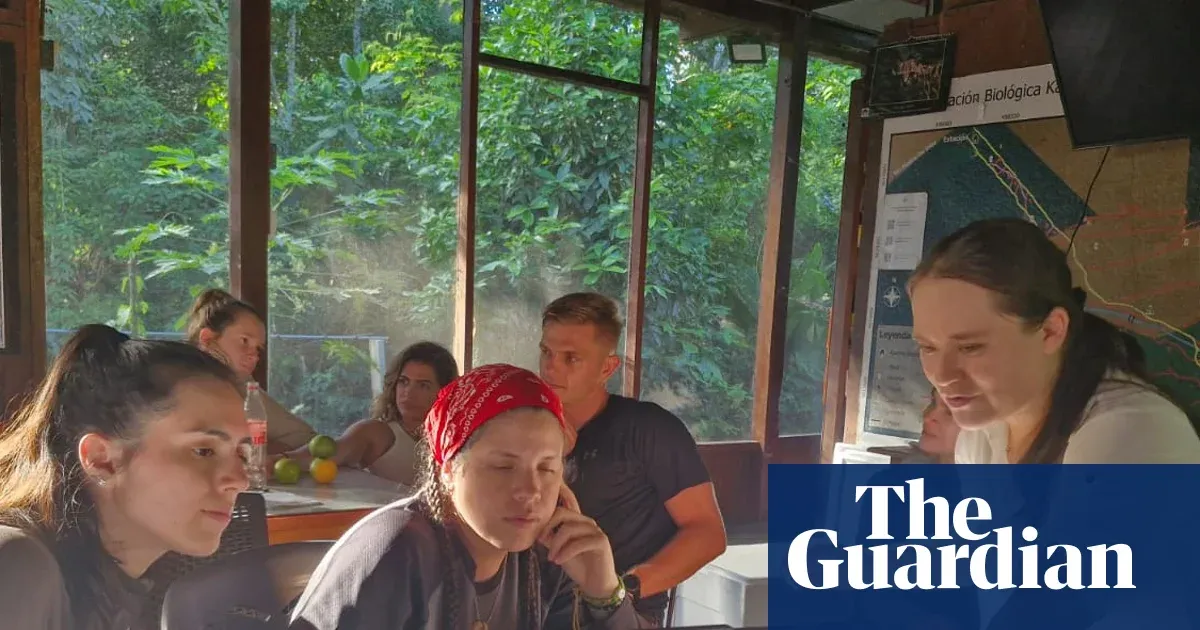
UK travel and volunteer placements provider GVI shut down after liquidation, continuing to advertise trips until it removed its website on 1 July. The consequence for decision-makers is a real-world test of consumer protection, transparency, and how quickly customer risk crystallizes when a tour operator fails.
UK eco-tour operator GVI has shut down after going into liquidation, leaving UK gap year and summer students who paid thousands of pounds for overseas volunteer and internship programmes with no refunds. The company continued to advertise trips until it went into liquidation, and then removed its website on 1 July. For families, that timing matters because it turns a distant plan into an immediate loss. For anyone running or investing in the consumer travel ecosystem, it is a reminder that insolvency can collapse the “trust layer” faster than customers can react.
The core issue is brutally simple: students booked volunteer programmes with overseas conservation projects, and when GVI closed they lost their money. According to the report, GVI offered volunteer and internship placements on wildlife and marine projects across the world. But once the operator entered liquidation, the website disappeared on 1 July, and the advertised route from payment to participation broke. The outcome described is not partial reimbursement or delayed refunds. It is that students have lost everything, because there were no refunds available.
This kind of failure lands in a spot where consumers are often least able to absorb it. Gap year and summer placements typically involve long lead times and fixed schedules, while payments may be made well before any physical services are delivered. That creates a mismatch: customers pay up front for a future experience, but the company carries working capital risk. If that risk spikes, the customer does not just lose a trip. They lose the time window itself, and, as the headline makes clear, potentially a year of plans. In the language of the Guardian report, students were left with “a year of nothing,” which is the human version of the same financial reality.
From a regulatory and process standpoint, insolvency is the moment where consumer protections meet operational constraints. Even in systems designed to help, refunds depend on what is recoverable and how quickly a liquidation process can be initiated and processed. The report’s timeline suggests that the company was still actively marketing trips up to the point it went into liquidation, then pulled its website. That sequence can intensify harm because it signals that customers may have been making decisions on the basis of an apparently live business offering placements.
For executives in adjacent sectors, this is also a governance story, not just a customer story. Tour operators that run volunteer programmes often have a complex supply chain: overseas conservation partners, local programme coordinators, logistics, guides, and sometimes housing and transport. When money comes in from customers, the operator must pay or reserve costs across that chain. If revenue slows, costs rise, or payments are delayed, the operator can run short quickly. When liquidation arrives, those downstream arrangements do not automatically convert into refunds. The “second-order” effect is that customers may feel like they paid for conservation work and got nothing, even if some services were partially arranged or some costs were already incurred.
The timing also matters for reputational and market dynamics. A website that disappears on 1 July is a signal to the market that the business is no longer operating normally. For customers, it ends the ability to verify alternative arrangements or contact support. For partners, it can change who is considered responsible for what. For employees and subcontractors, it can complicate payment. For the broader category, it can also raise customer suspicion toward similar operators, even those that remain solvent. When one brand fails loudly, the trust cost spills over into the whole segment.
This case should be read as a strategic risk lesson for boards, CFOs, and anyone responsible for consumer-facing promises. Insolvency does not only harm the business that fails; it tests whether other actors have designed for resilience. Contracts, booking terms, customer communications, and refund handling policies all become critical when the cash conversion cycle breaks. The Guardian report focuses on the students who lost thousands of pounds, but executives should translate that into what their own customers expect: if a company takes money to arrange placements in wildlife and marine projects, it must be able to explain, clearly and early, what happens if the company cannot deliver.
In the end, the stakes here are personal and immediate for UK families planning a summer or gap year, but the operational implications extend further. Volunteer travel is a category built on goodwill and trust, and those are fragile. When GVI went into liquidation and removed its website on 1 July, the trust collapsed fast, and customers were left without refunds. Other executives should treat that speed as the warning: if you operate in consumer travel and programmes, your insolvency risk management and customer protection design cannot be theoretical. It has to be ready for the day the lights go out.
This story's Key Insights and Take-aways are locked.
Create a free account to unlock Executive Actions for one credit.
Register to UnlockAlways free for Executives Club members. Join the Club
More in Science

Alaska's 1,580-foot tsunami had warning signs. Scientists just found them.
Rapid glacier retreat, heavy rainfall, and thousands of tiny tremors preceded Alaska's 1,580-foot tsunami, a warning for every coastal community in a warming world.

The rare mutation that lets high-risk brains dodge Alzheimer's
Scientists found a natural defense against protein buildup, opening a new path to preventive treatments.

3,000 steps a day may halve Alzheimer's decline, study finds
New research links a modest daily walk to less tau buildup and nearly half the cognitive and functional decline, even for those with early signs.