

Ozempic and Wegovy dose errors spiked poison control calls after weight-management approval
Researchers say the surge is mostly accidental weekly dosing mistakes, not intentional misuse, and education could cut incidents fast.
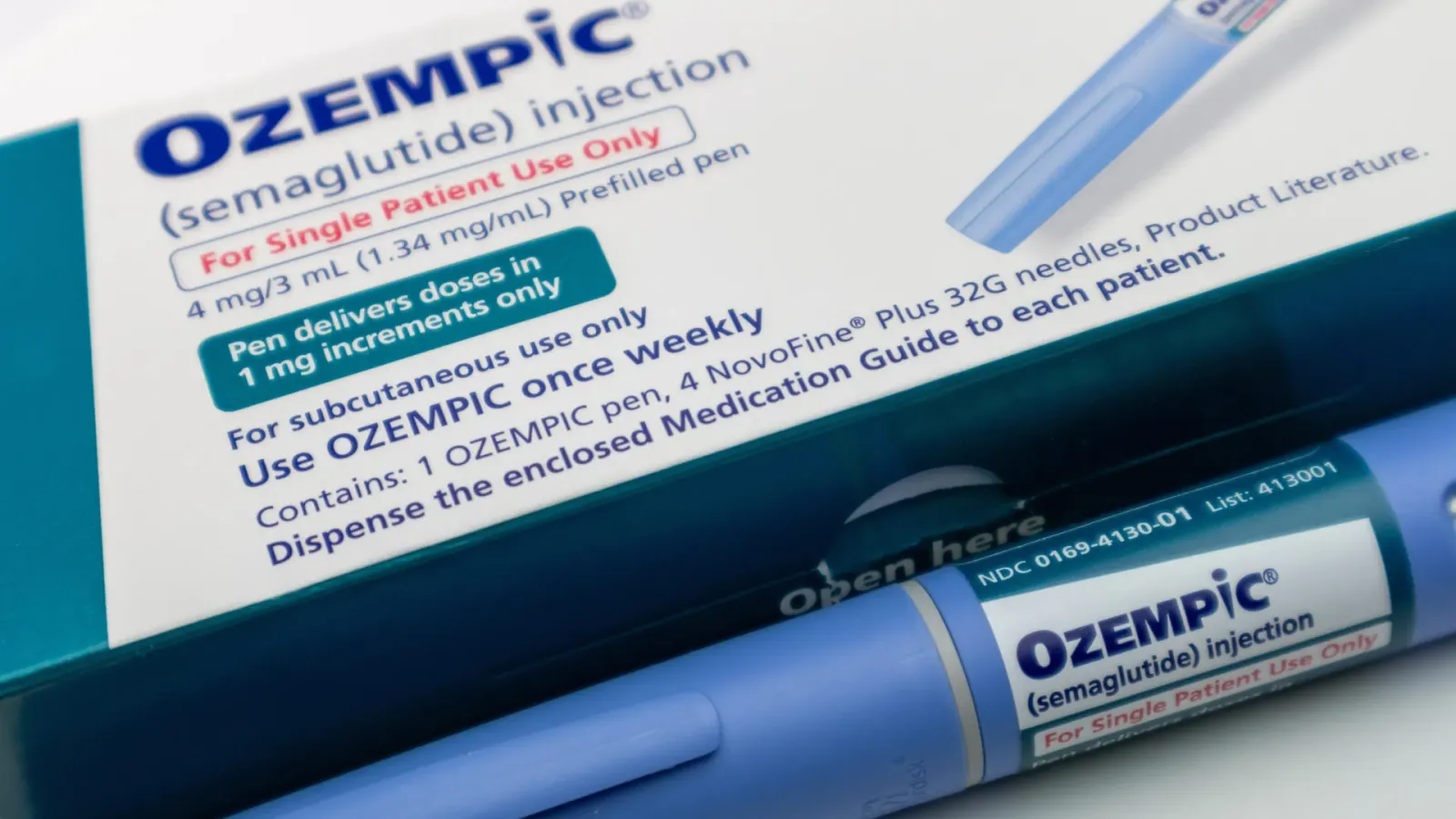
Poison control calls involving semaglutide, sold as Ozempic and Wegovy, surged after the drugs were approved for weight management. Decision-makers should treat the event as a patient-safety and reputational risk signal, where better dosing education can reduce avoidable harm.
Poison control calls involving semaglutide, the active ingredient in Ozempic and Wegovy, reportedly spiked after the drug was approved for weight management. Researchers link the increase less to intentional misuse and more to accidental dosing mistakes. In other words, the “mistake” is not people trying to game the system. It is people getting the schedule wrong.
That matters because semaglutide is taken on a weekly cadence, and the study authors point directly to dosing confusion as the driver: avoidable incidents can rise when patients, caregivers, or even dispensing workflows do not fully translate the intended regimen into real-world use. The proposed fix is also straightforward, education about proper weekly dosing and gradual dose increases. If you are an operator or board member in pharma or a partner in patient communications, this is the kind of operational risk that can scale faster than marketing impressions.
To understand why this surge happened after weight-management approval, you have to look at what approval changes. When a medicine moves from a narrower clinical population into broader, weight-focused use, the audience gets bigger and more diverse. That expansion increases the number of people touching the product, and it also increases variability in how dosing instructions are received and followed. Even when a label is correct, execution is where preventable errors breed: pharmacy handoffs, patient understanding, caregiver support, and the practicalities of remembering a weekly dose.
The key line from the source is the researchers' attribution: the calls increased after approval for weight management, and the increase is linked to accidental dosing mistakes rather than intentional misuse. That distinction is not just academic. Intentional misuse tends to imply a behavior problem that requires tougher enforcement or stronger deterrence. Accidental dosing mistakes tend to imply a process and comprehension problem, where education, clarity, and gradual ramping can reduce harm without fighting a losing cultural battle.
Gradual dose increases are the other big piece. Many drugs in chronic use fail in the real world because patients expect immediate effect and do not follow the step-up schedule, or they do not understand why step-up matters. The source specifically suggests that simple education about gradual dose increases could prevent many avoidable incidents. That indicates the “why” is part of the “how,” and that the communication goal is not only to tell people what to do, but to make the sequence make sense.
From a regulatory and governance angle, semaglutide sits at the intersection of medical benefit and operational burden. Regulators approve products, but safety outcomes in the field depend on how instructions are operationalized and understood. When poison control calls jump, even if the underlying cause is accidental errors, that still becomes a visible signal: the system is not landing the dosing message cleanly. For decision-makers, that is a reminder that post-approval safety management is not only about rare adverse events. It is also about the day-to-day failure modes created by scale.
Now zoom out to the broader market dynamics. As semaglutide became a weight-management option, demand likely increased, and demand pressure has a way of accelerating everything from patient onboarding to refill patterns. When more people start, and more people are new to weekly dosing, the numerator of “potential mistakes” grows. Even if the underlying per-user error rate stays flat, the total number of incidents can rise because the user base expands. The source frames the rise as a wave tied to approval timing, which is the kind of timeline clue executives can use to prioritize interventions.
For peers across pharma, medical devices, and any chronic medication ecosystem, this is a board-level lesson in patient communication as risk control. Poison control data is a downstream metric, but it is also a proxy for real-world confusion. If “simple education” could reduce many avoidable incidents, then the strategic stakes are not just clinical. They include brand trust, regulator attention, and the operational load on support systems when patients call for help. In markets where the drugs can become cultural shorthand, the margin for misunderstanding shrinks.
The bottom line: researchers linking the post-approval surge in poison control calls to accidental semaglutide dosing mistakes means the problem is fixable, and the fix is behavioral and educational. Proper weekly dosing instructions and clear guidance on gradual dose increases are positioned as preventative levers. For executives, that is an actionable framing: safety risk can be reduced not only by changing a molecule, but by tightening the system that delivers it to people correctly.
This story's Key Insights and Take-aways are locked.
Create a free account to unlock Executive Actions for one credit.
Register to UnlockAlways free for Executives Club members. Join the Club
More in Science

Alaska's 1,580-foot tsunami had warning signs. Scientists just found them.
Rapid glacier retreat, heavy rainfall, and thousands of tiny tremors preceded Alaska's 1,580-foot tsunami, a warning for every coastal community in a warming world.

The rare mutation that lets high-risk brains dodge Alzheimer's
Scientists found a natural defense against protein buildup, opening a new path to preventive treatments.

3,000 steps a day may halve Alzheimer's decline, study finds
New research links a modest daily walk to less tau buildup and nearly half the cognitive and functional decline, even for those with early signs.