

Haaland turns World Cup hype into sold-out brand deals and $400 jersey resale flips
From Kknekki hair ties to Norway kits reselling above $400, Haaland's style is becoming a measurable growth engine.

Erling Haaland's World Cup spotlight, style posts, and merch-driven attention have triggered sold-out partnerships including a Kknekki hair-tie limited edition and Norway jersey sellouts. For decision-makers, the consequence is clear: celebrity-driven demand is now behaving like a predictable, trackable sales channel in luxury and lifestyle.
Erling Haaland is not just scoring goals. During Norway's World Cup run that included the match where he scored twice to secure Norway's victory against Brazil, his off-pitch style created a full-on retail shockwave: Norway's national football jerseys sold out ahead of the England vs Norway match on Saturday, according to the Norwegian Football Association, and then started getting resold on websites like StockX for over $400.
That same attention cycle is now translating into brand partnerships that sell out fast. Kknekki, an Oslo-based hair-tie brand that launched a limited-edition collection with Haaland to coincide with the World Cup, said the collection sold out within weeks of launch. Haaland had worn Kknekki hair ties for several years before becoming an investor in the brand's parent company, Bon Dep, in 2024. While the size of his stake has not been disclosed, the brand's numbers around demand are specific: when Kknekki posted a reel of the Haaland collaboration on Instagram, the account gained 4,000 new followers in a single day, according to Social Blade.
So what’s actually happening here? Haaland’s popularity is large and fast. The 6-foot-5, 25-year-old Norwegian striker has gained over 11 million followers on Instagram since Sunday, when he scored twice versus Brazil. Yes, many new followers are there for the football. But the source is equally explicit that others are drawn to fashion and quirky posts, including outfit photos and a consistent stream of luxury accessories. He regularly posts his outfits on Instagram, featuring items like $1,800 Loewe Tracksuit jackets, black Chanel cashmere beanies that sell on resale websites for over $1,200, and a constant flow of rare Hermès bags.
This is why executives in consumer, luxury, and sportswear should care. The World Cup is compressing the timeline from “attention” to “inventory moving.” When demand outpaces supply, you get the resale signal. The Norway jersey sellout and the $400-plus StockX resale price is the clearest example from the source because it shows price discovery happening in real time. And the same pattern is showing up in the micro-vertical of accessories. A pack of 8 of Haaland’s limited-edition hair ties costs £21 ($30). They have started to pop up on resale websites, with some sold on AliExpress for $90, though the source flags that it’s unclear whether these are genuine.
Under the hood, the collaboration mechanics matter. Kknekki characterized its deal as a “natural extension of a relationship that has developed over several years,” and its spokesperson for Bon Dep said the collection was intentionally produced as a highly limited edition and “saw exceptional demand from launch.” For brand strategists, that is basically a blueprint for controlled scarcity: use a real prior customer habit (Haaland had worn the hair ties for years), confirm a personal link through investing in 2024 via Bon Dep, then create a limited release timed to the tournament.
And the internet is treating Haaland like a fashion editor. He has gained the attention of fashion editors for his style on and off the pitch, whether it’s matching the hair ties on his blond man bun or being photographed at runway shows. Some of the demand also rides on the look itself becoming a meme. He sometimes lets his hair loose during matches, and that look has become a favorite among soccer fans online. In luxury strategy terms, it’s not just that he wears stuff. It’s that his choices are repeatable visual behaviors that the audience can screenshot, remix, and buy.
This also connects to a bigger shift in menswear. Blanca Zugaza Escribano, a fashion and luxury strategy consultant at Metyis, told Business Insider that Haaland lands “in a moment where menswear is getting more comfortable with 'traditionally feminine' luxury objects” and has become a “walking case study” for the shift. That context matters because it reframes the celebrity from a one-off viral moment into part of a category trend: demand is moving toward luxury objects that blur traditional gender cues.
Then there is the Hermès angle, which is both symbolic and, according to the source, measurable. Off the pitch, Haaland’s love of luxury includes Hermès Haut à Courroies (HAC) travel bags. He has been spotted with several versions, including the black Multipocket HAC 50 (about $80,000 on Wardrobe by Rebecca), the Evercalf Toile Cargo HAC 40 (about $75,000 on Vestiaire Collective), and the rare Hermès HAC Birkin 50 “Endless Road” (which the source says costs $45,000 at Madison Avenue Couture). He arrived on the Norwegian national team jet to Greensboro, North Carolina for training camp at the start of the World Cup, carrying the rare Hermès HAC Birkin 50 “Endless Road.”
Search behavior backs up the claim that this spotlight is turning into retail interest. The source says searches for “Hermès HAC 50” were virtually zero in the US until June, when it became a breakout query on Google Search. Scott Kerr, founder of luxury consultancy firm Silvertone Consulting, told Business Insider that Haaland’s “brand value is already spiking during the tournament and is very likely to accelerate further after the World Cup.” Kerr also connects Haaland’s appeal to an off-field personality contrast: ruthless competitiveness on the field and a playful, low-ego persona off it, aligning with Hermès, which he said leans into playfulness and quiet humor despite its serious craftsmanship.
There’s also an incentive for brands to pick the “archetype” they want to borrow. Kerr said multiple brands can benefit from aligning with Haaland depending on which of his archetypes they want to lean into, naming types such as “the explosive performance hero type,” the “goofy, meme-friendly jester type,” the “Nordic understated loyal everyman type,” and “the stylish new lux masculine type.” Even Hermes has not publicly confirmed a direct investment or collaboration, according to the source. Hermes spokesperson declined to comment on whether Haaland has invested or collaborated with the brand.
For executives, the second-order implication is that sports sponsorship and luxury marketing are being pulled closer to direct commerce signals. Normally, brand lifts can take months to show up in sales. Here, the evidence described in the source includes sellouts within weeks, follower spikes within a single day, and resale market pricing above $400 for jerseys. When consumer demand behaves like this, boards start asking tighter questions: How fast does the channel convert? How quickly does scarcity break? What part of the audience is actually buying, not just watching?
In short, Haaland’s World Cup style is turning into a measurable growth engine across tiers, from a £21 hair-tie pack to $80,000 travel bags. The lesson for decision-makers is not that every brand should chase a celebrity. It’s that the industry is moving toward transparent demand math, where cultural visibility can show up as inventory disappearing before the next training camp even ends.
This story's Key Insights and Take-aways are locked.
Create a free account to unlock Executive Actions for one credit.
Register to UnlockAlways free for Executives Club members. Join the Club
More in Business
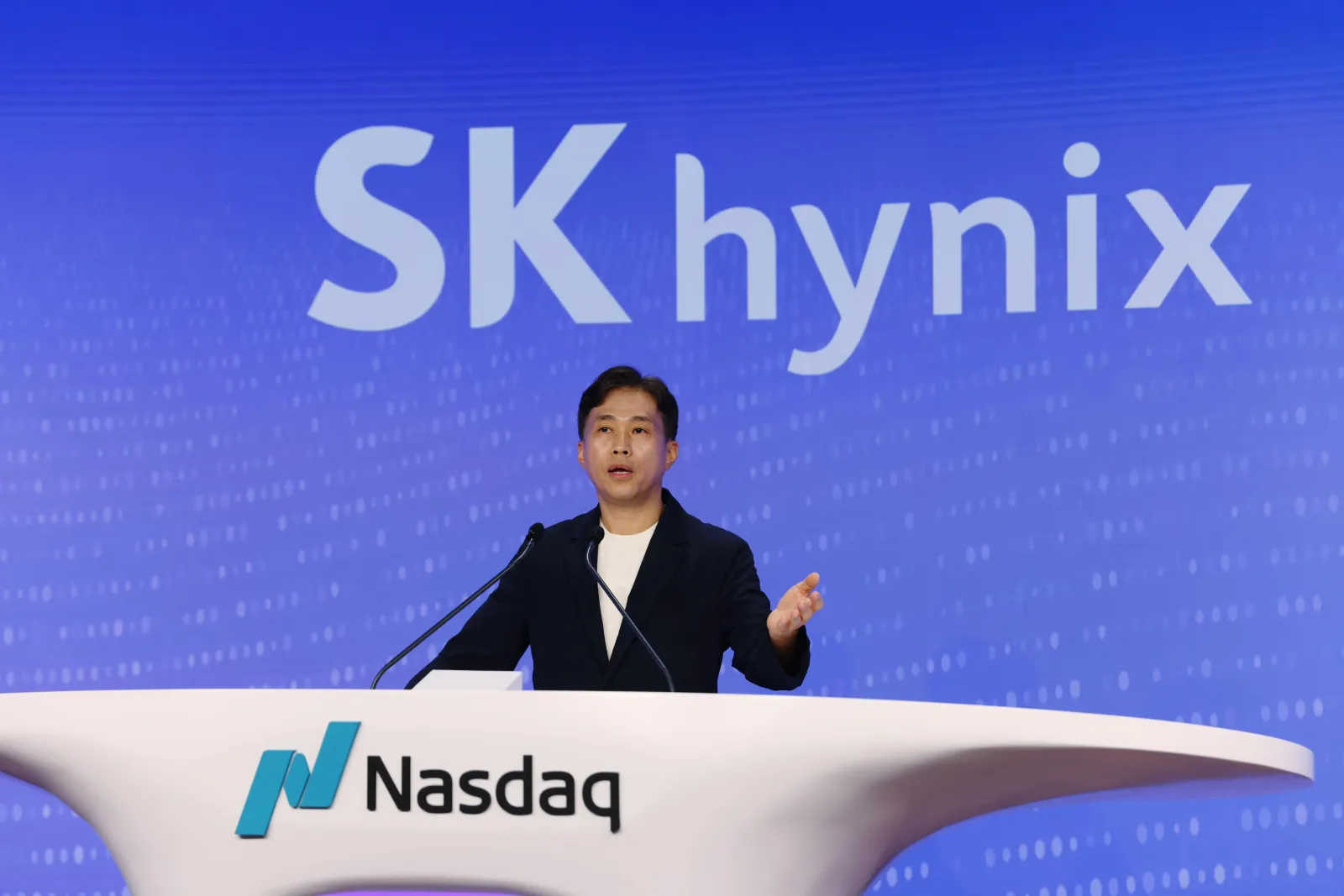
SK Hynix opens at $170, raises $26.5B, and tops foreign IPO records
In Friday's Wall Street debut, SK Hynix turns AI RAM demand into a $26.5B fundraising moment that rewrites comps.

China lands a reusable Long March booster, a first that matches SpaceX and Blue Origin
A barge landing and net-based recovery move China from theory to proof, reshaping the reusability race and satellite ambitions.

AstraZeneca $27B wipeout as Wainua late trial misses cardiovascular target
A failed late-stage heart study triggered a swift market punishment, forcing investors and boards to reset timelines and risk.