

Halo Studios dead after one remake as Activision takes over
Xbox hands Halo to Call of Duty publisher after 268 layoffs, ending a 20-year era and signaling a brutal new reality for Western studios.

Xbox has effectively retired Halo Studios, formerly 343 Industries, after just one original title, Halo: Campaign Evolved, and 268 layoffs, handing the franchise to Activision. For executives, this is a stark warning that even beloved franchises are not safe from restructuring when results don't meet corporate expectations.
Halo Studios is done. After 20 years as the guardian of one of gaming's most iconic franchises, the studio formerly known as 343 Industries has been effectively retired by Xbox, having shipped exactly one original title: Halo: Campaign Evolved. The remake was serviceable, but it wasn't enough to save the studio from the 268 layoffs announced on September 22, part of a broader 3,200-person cut across Xbox. Now, the Halo franchise is being handed to Activision, the publisher behind Call of Duty, a move that signals just how impatient the Western gaming industry has become with anything that isn't an instant, billion-dollar hit.
Xbox's rationale, laid out in a press release, is that it is "reorganizing our studios" to "strengthen our franchises and games by operating fewer business units, aligning groups that already work closely together, and focusing our publishing expertise." In plain English: Halo Studios didn't deliver fast enough, so Activision gets a shot. Activision president Rob Kostich has already promised to "make the greatest Halo game ever, worthy of its universe and legacy, while staying true to what made players love it in the first place." A "purpose-built team" is being assembled, he says, though a small team at Halo Studios will continue supporting existing Halo games. But make no mistake: the old paint is being scraped off, and a new coat is going on.
This is not an isolated incident. It's a pattern that has defined Western gaming in 2026. Battlefield 6 developers, Destiny 2 developers, Directive 8020 devs, Tomb Raider devs - all have faced mass layoffs this year, regardless of how much money their games made. Amir Satvat, creator of the ASGC Games Industry Layoffs Tracker, told Edge magazine that "this is as bad as the '83 crash if you're a game developer based in North America or western Europe, in a traditional triple-A studio." The comparison to the 1983 video game crash, which nearly killed the industry, is not hyperbole. It's a reckoning.
What's striking is the contrast with Japan. Satvat notes that Japanese studios have been "triple-fortified" from the storm of layoffs because "they didn't get swept up in the live-service trend, or into these mega-blockbusters with 500-person teams." Andrew Willis, a laid-off producer at id Software, put it even more vividly in an interview with Kiwi Talkz: Japanese companies like Nintendo are "feeding the tree fertilizer and water. Trimming, you know, where necessary, and just making sure that it will healthily produce fruit forever." Western executives, by contrast, "are just cutting it down. They want it now. And then they look around and they're like, 'Why aren't there any apples?'"
The irony is almost too perfect. Activision, the company now tasked with reviving Halo, lost a bidding war to acquire Rare over 20 years ago. Now it's overseeing the studio that once rivaled its own dominance. But the deeper lesson for executives is about incentives. When a corporation like Microsoft decides to "restructure," it's not just about cutting costs. It's about signaling to the market that it's serious about efficiency, even if that means sacrificing long-term potential for short-term optics. Halo Studios was introduced with fanfare in 2024, with Xbox promising it would create Halo "without distraction, without impediment, to create better games with players' hopes and wishes at the heart of the endeavor." That promise lasted less than two years.
For decision-makers in any industry, the takeaway is brutal: if you're not delivering results on a timeline that satisfies the C-suite, your studio, your division, or your team is expendable. The Western model, as Satvat and Willis both point out, is built on immediate gratification. It's a model that rewards quarterly earnings over patient cultivation. And it's a model that, if left unchecked, will continue to hollow out the very talent and creativity that made these companies successful in the first place.
The Halo franchise isn't dead. Activision has the resources and the track record to make a blockbuster. But the cost of this transition is real: 268 people lost their jobs, a studio with two decades of institutional knowledge is gone, and the message to every developer in the West is that no amount of legacy or goodwill will protect you from the next round of "restructuring." As the industry watches to see if Activision can deliver on Kostich's promise, one thing is clear: the old way of doing business is over, and the new way is unforgiving.
This story's Key Insights and Take-aways are locked.
Create a free account to unlock Executive Actions for one credit.
Register to UnlockAlways free for Executives Club members. Join the Club
More in Business

Royal Caribbean just spent $3B to own half of Sandals
The cruise giant is buying a 50% stake in the all-inclusive resort chain for $3 billion, a bet that land-based vacations are the next growth engine.

Paramount's Ellison: Merger Clearance Done, WBD Deal by Oct 1
David Ellison says the Paramount-WBD merger has full clearance after settling with state AGs, clearing the path for an October 1 close.
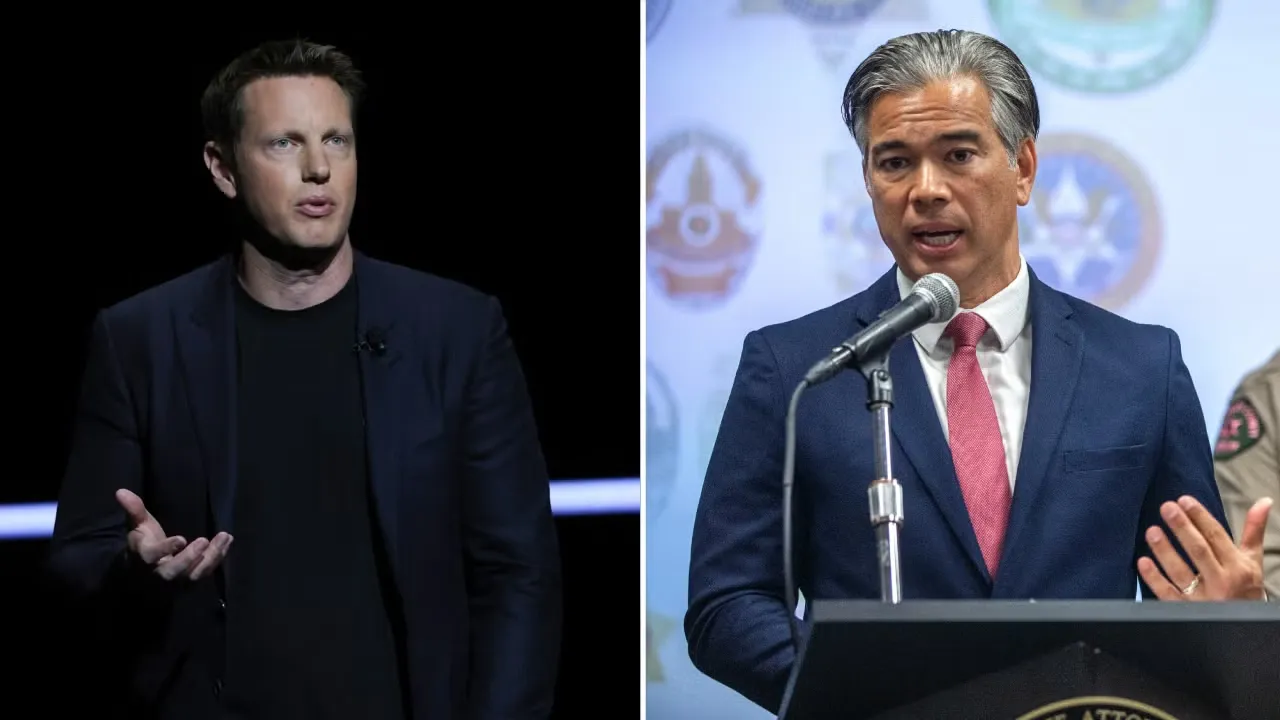
Paramount settles with 12 states, $110B Warner merger clears final hurdle
David Ellison's studio avoids a March trial and a $7M-a-day ticking fee by settling with state AGs over local job losses.