
Harry Kane’s two goals and Jude Bellingham’s rescue set England’s 4-2 win over Croatia
England opened with a 4-2 victory in Texas, with Kane early and Rashford late after Croatia leveled twice.
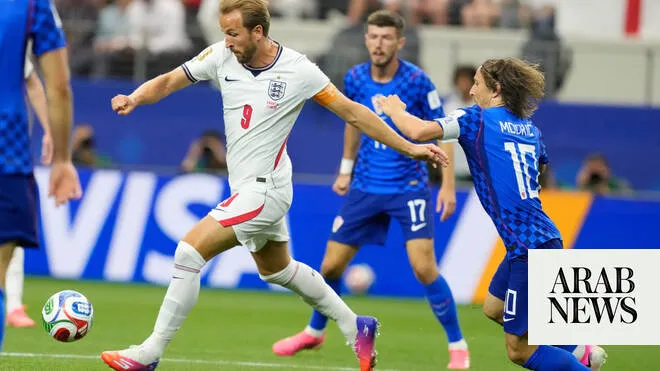
Harry Kane scored twice in the first half as England beat Croatia 4-2 in Arlington, Texas, launching their World Cup title push. Jude Bellingham struck immediately after half-time and substitute Marcus Rashford sealed the result after Croatia’s 2-2 reply.
Harry Kane scored twice in the first half, and England turned those early strikes into a 4-2 victory over Croatia in Arlington, Texas, to kick off their World Cup title assault. Kane found the net again after 12 minutes, again before the break, and his captain’s instinct did what England needed most: it gave them a lead they could defend, build on, and eventually close out.
The second half delivered the pivot moment, with Jude Bellingham scoring right after half-time and substitute Marcus Rashford scoring with five minutes to go, after Croatia had fought back to level at 2-2. In other words, England did not just win. They repaired the most dangerous thing that can happen when a favorite gets pulled into a chaotic match, they snapped the game back toward them at the exact time Croatia threatened to swing momentum for good.
If you’re looking for the “business lesson” buried in sports, this match is basically a case study in control versus volatility. England had the early structure. Kane’s first goal came after 12 minutes, with Croatia defender coordination stalling and Kane finding the left-side chance. Then, England surged, especially through midfield and the forward channels, turning possession into pressure. Bellingham, preferred to Morgan Rogers in the number 10 role, pushed into advanced areas and directly created urgency, forcing Livakovic into saves rather than starting comfortable build-up.
But control is not the same as composure. England should have gone 2-0 up on the half-hour, with Bellingham narrowly failing to make contact with Madueke’s low cross, and the game swung toward Croatia after that. At 36 minutes Croatia drew level, and the path there matters: England squandered the ball in midfield. Petar Sucic left John Stones on the floor with neat footwork to set up Baturina, and the move looked like a clean execution from Croatia’s side, not a fluke.
England’s response, though, is what kept this match from becoming a full-on collapse. Zlatko Dalic’s side were level for just six minutes. A Declan Rice corner found Kane unmarked, and the captain nodded home to make it 2-1. That moment also carried a symbolic weight for the team. It took skipper Kane to 10 World Cup goals, the most of any England player along with Gary Lineker. In high-stakes tournaments, these are the “execution beats” that boards love, because they show leaders performing when pressure rises and randomness tries to take over.
Still, the first half ended like a warning label. England went soft in defending again in the fifth minute of injury time, and Musa took advantage, stroking the ball in from close range to make it 2-2. The half-time talk might as well have been about the difference between scoring and managing risk. Loud boos rang out for the drinks break, and the match being under a roof mattered, because it wasn’t “the Texas sun” that supposedly affected anyone. The implication was clear: the tempo and emotion were in the game, not the weather.
The second half started with a statement: England punished Croatia’s uncertainty quickly. Bellingham galloped down the right unchallenged and rolled the ball into the corner to take England ahead after half-time. That early second-half goal mattered because it came after Croatia’s equalizer in the last moments of the first half. In tournament football, momentum can behave like liquidity. If you let it drain away, you might not get it back. England got theirs back within minutes.
England then pummelled the Croatia goal, with good chances for a 4-2 lead. Kane and Nico O’Reilly twice each, and Bellingham, created the kind of pressure that forces defenders into rushed decisions and goalkeepers into uncomfortable saves. Croatia did not fold completely, and with 15 minutes left and England retreating, Croatia had several opportunities. That retreat is a standard late-game pattern: you defend space and manage energy. It also creates the exact opening you need if you’re the opponent and you sense the match is slipping.
Rashford’s late intervention closed that door. With five minutes to go, the substitute made the three points safe, turning what could have been a messy finale into a controlled win. For Thomas Tuchel’s side, the takeaway is straightforward and immediate. Tuchel has made it clear that winning the World Cup is his aim, and a match like this tests the core ingredients of a title run: star execution, mid-match corrections, and the ability to respond when the opponent punches back.
Strategically, peers and decision-makers should notice the pattern beneath the scoreline. England produced an early lead, conceded equalization, and still finished strong, thanks to timing: Bellingham’s immediate half-time goal and Rashford’s late seal. In tournament settings, those are the moments that turn “good performance” into “title-ready performance.”
This story's Key Insights and Take-aways are locked.
Create a free account to unlock Executive Actions for one credit.
Register to UnlockAlways free for Executives Club members. Join the Club
More in Business

A flaw in PHP just forced governments to pull their own sites offline
European agencies from Belgium to Germany took websites dark to patch a critical weakness in the language behind almost 70% of the web, and the blast radius extends far beyond government portals.

BioWare shuts down, Mass Effect 5 dead after $55B EA buyout
The legendary RPG studio's closure lands months after a $55 billion investment group buyout of EA, raising tough questions for gaming's biggest acquirers.
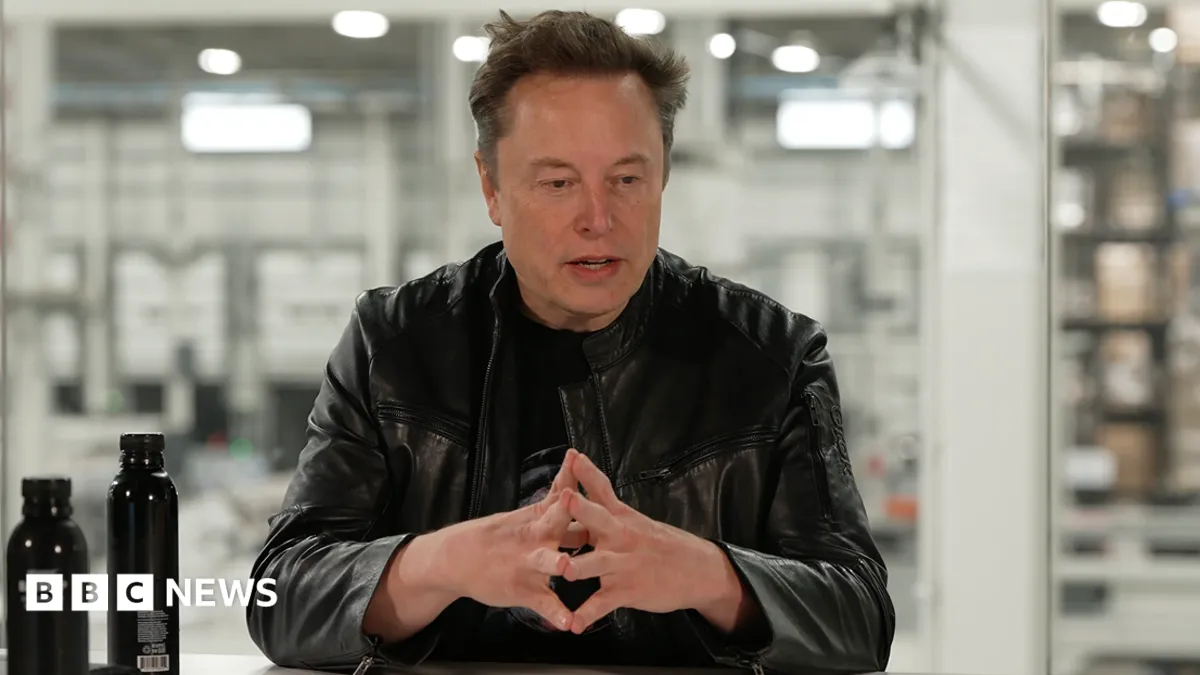
Musk weighs Tesla-SpaceX mega-merger as boards form review panels
Special committees at both companies will examine a tie-up that could fuse electric vehicles and space launch, forcing a fresh look at governance and valuation.