

Helsing raises $1.8B and hits $18B valuation as demand outstrips its offering
The Helsing funding round clears at an $18 billion valuation after investor demand exceeded the allocation.
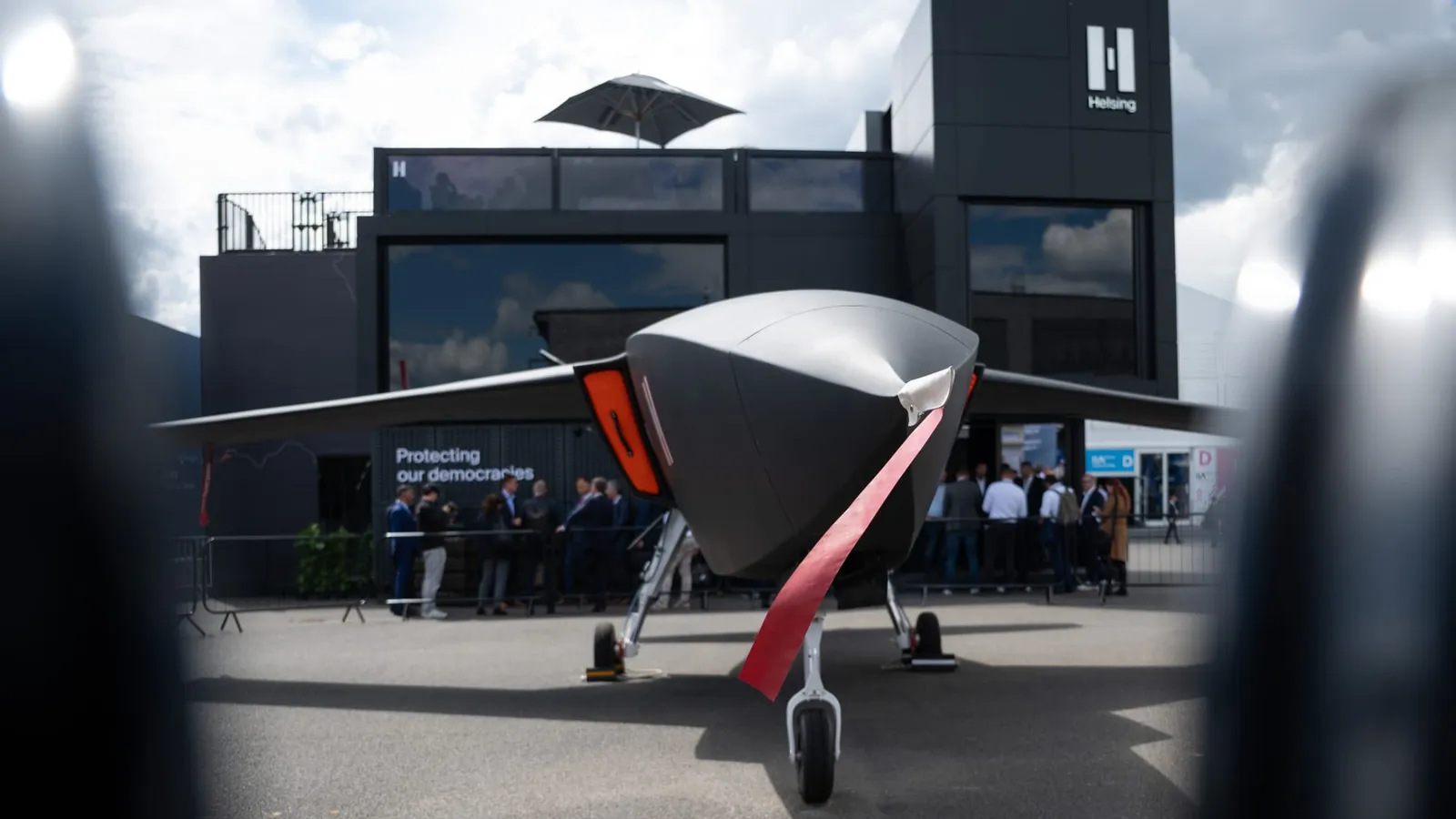
Helsing, Europe Anduril rival, raised $1.8 billion at an $18 billion valuation. The company said investor demand significantly exceeded the available allocation for the round.
Helsing just closed a $1.8 billion funding round at an $18 billion valuation, and it came with a detail investors will notice: the company said "investor demand significantly exceeded the available allocation" for the round. In plain English, more money wanted in than Helsing was willing or able to sell, which usually means either (a) the deal was priced aggressively enough to attract real interest without needing to expand the terms, or (b) Helsing could have raised more, but chose to keep the round sized.
For decision-makers, the valuation number is the headline, but the demand signal is the subtext. An oversubscribed round is a soft indicator of market sentiment, especially in sectors where capital is picky, timelines are long, and outcomes can be politically complicated. Helsing is positioned as an Anduril rival in Europe, and when a defense-adjacent company pulls in a funding round at a valuation of $18 billion, it tells the market that investors see defensible traction, or at least a plausible path to scale and contracts.
To understand why this matters, zoom out to how capital typically moves in “national security meets startup” ecosystems. Hardware and software for defense and security are not like app development, where you can iterate quickly and monetize inside a quarter. Programs often involve procurement cycles, testing, integrations, and compliance. That means investors usually underwrite not just a product, but a credibility stack: partnerships, pilot programs, regulatory navigation, and the ability to convert demand into revenue.
In that context, the simple fact that demand "significantly exceeded the available allocation" becomes more than a press-release line. It suggests the round was not struggling to find buyers. If investors are lining up at a given price point and the company does not need to offer additional shares or revised terms to fill the book, boards and management get something valuable: negotiating leverage. Even without more details from the source, an oversubscribed round often translates into a cleaner path to closing, less desperation, and more control over who gets meaningful access to the cap table.
There is also a governance angle. When demand outpaces supply, companies can better manage ownership composition. That can affect everything from board influence to follow-on dynamics. Investors who want in may be more willing to accept the valuation and structure, which can reduce the chance that future rounds face down-round pressure. For founders and executives, that stability can buy time to focus on building and deploying, rather than constantly defending pricing. For boards, it can reduce risk while still keeping momentum high.
And then there is the signaling effect across the broader market. Helsing is described as a Europe Anduril rival, and capital markets tend to reward category clarity. If a well-known peer narrative becomes validated through fundraising success, other startups in adjacent lanes may see improved odds in their own fundraising efforts. The flipside is that it raises expectations, not just for Helsing but for its competitors. An $18 billion valuation sets a reference point that will color future comparisons, especially as new rounds inevitably face scrutiny over what exactly customers will buy, when, and how quickly margins can emerge.
Finally, think about what this means for decision-makers who allocate capital or oversee partnerships in this space. A funding round at this scale can accelerate hiring, product development, and deployments, but it also brings execution pressure. Investors want to see conversion: from interest to contracts, from technology to delivered outcomes. When investor demand exceeded the allocation, it implies the market is already paying attention. Helsing now needs to justify the valuation through progress that shows up in real-world procurement and measurable adoption.
In other words, Helsing’s $1.8 billion raise is not just a number. It is a live scoreboard reading. The demand statement means investors were ready, the $18 billion valuation means expectations are elevated, and the next chapter will be about whether Helsing can turn that financial momentum into operational momentum. For boards and executives at similar companies, the strategic takeaway is clear: the capital window can open quickly, but it stays open only if execution catches up with the hype investors are already pricing in.
This story's Key Insights and Take-aways are locked.
Create a free account to unlock Executive Actions for one credit.
Register to UnlockAlways free for Executives Club members. Join the Club
More in Business
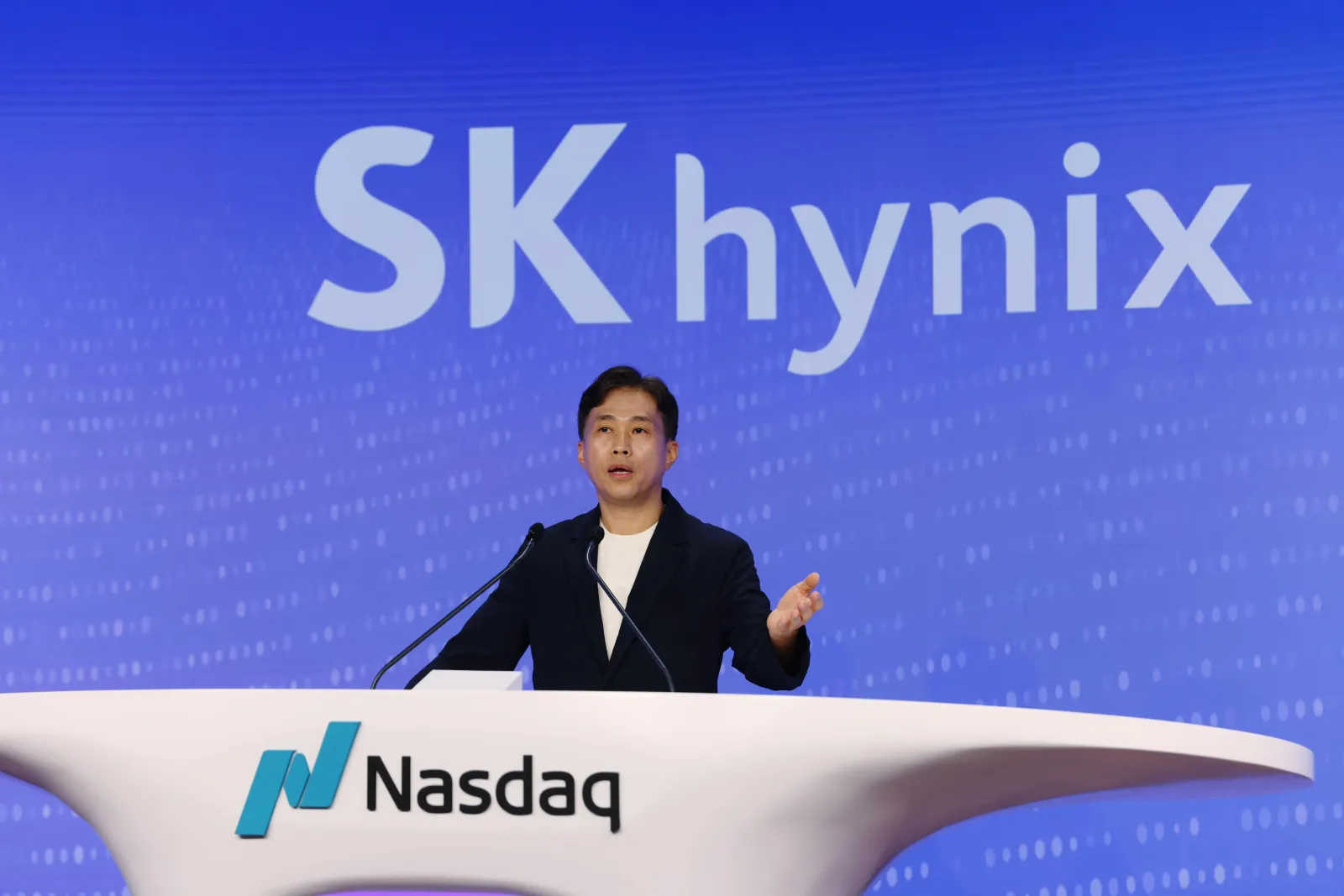
SK Hynix opens at $170, raises $26.5B, and tops foreign IPO records
In Friday's Wall Street debut, SK Hynix turns AI RAM demand into a $26.5B fundraising moment that rewrites comps.

China lands a reusable Long March booster, a first that matches SpaceX and Blue Origin
A barge landing and net-based recovery move China from theory to proof, reshaping the reusability race and satellite ambitions.

AstraZeneca $27B wipeout as Wainua late trial misses cardiovascular target
A failed late-stage heart study triggered a swift market punishment, forcing investors and boards to reset timelines and risk.