
High-intensity AI adopters added 10.2% headcount, with entry-level up 12%
A new report challenges the “AI kills junior jobs” narrative with data from high-intensity adopters.
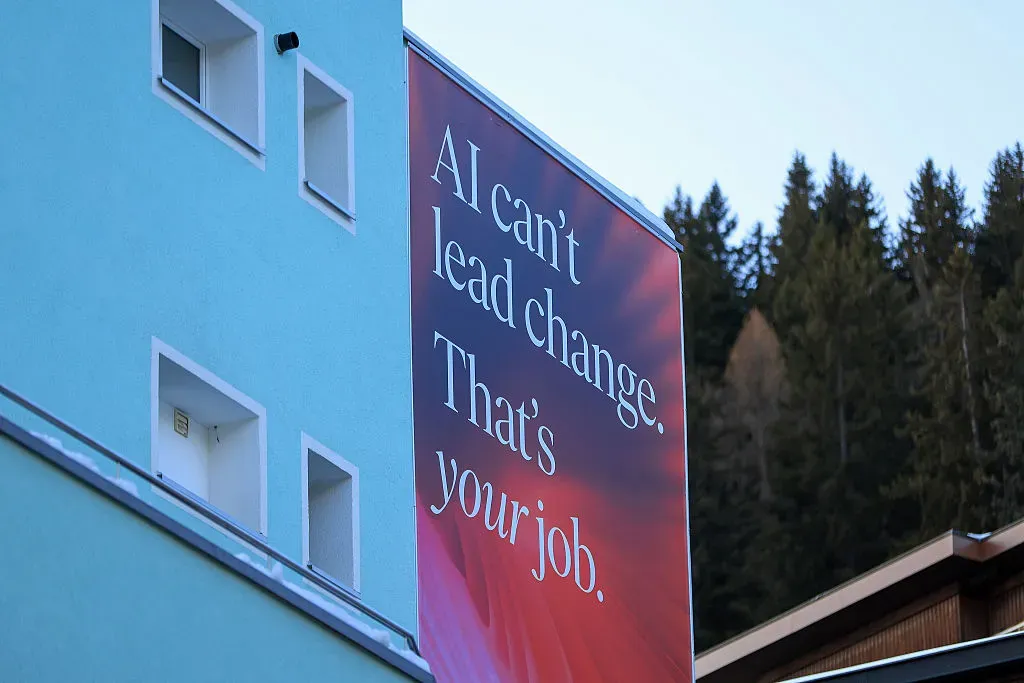
A new report finds that “high-intensity AI adopters” saw headcount rise 10.2%. It also reports entry-level headcount increased 12% at those companies.
A new report is injecting cold water into a hot debate: among “high-intensity AI adopters,” headcount increased 10.2%. Even more pointed, entry-level headcount rose 12% at those same companies, directly countering the rhetoric that AI eliminates junior jobs.
For executives trying to plan hiring, budgets, and workforce strategy, those two numbers matter because they flip the default storyline. The public conversation often treats AI deployment as a straight line from automation to layoffs, especially at the entry level. This report suggests a more complex reality: when firms adopt AI heavily, they may also expand teams, and they may still be bringing in early-career talent rather than freezing it.
To understand why, it helps to look at what “high-intensity AI adopters” usually implies in organizational terms. High-intensity use tends to require more than a one-off deployment. It usually means workflows are being redesigned, models or AI tools are being integrated into products and operations, and the company is building repeatable processes for measurement and iteration. That kind of change can create work in adjacent areas, such as implementation, quality assurance, data operations, and customer or internal enablement. In plain English: even if some tasks get automated, teams still need humans to make the system work in the real world.
There is also an incentive layer. Most companies do not roll out AI in a vacuum. They are operating in competitive markets where speed, productivity, and reliability are the point. If AI adoption is meant to raise output per worker or reduce cycle times, leaders may conclude that the right move is to scale execution capacity, not merely cut headcount. In that world, headcount growth can coexist with automation because the company is widening the scope of what it can deliver.
The report’s implications show up at the entry level, which is where the debate has been most emotional. When people say “AI kills junior jobs,” they are usually picturing internships, new grad roles, and early-stage hires disappearing first. But entry-level headcount rising 12% suggests that, at least in these high-intensity adopters, companies are either maintaining their talent pipeline or treating early hires as part of the adoption engine. That could be because junior employees can be trained into new workflows, assist with experimentation, or scale support and adoption efforts as the system spreads.
Regulation and public scrutiny add more gravity to this kind of outcome, even if the source here is focused on headcount and not rulemaking. When regulators, courts, and policymakers talk about AI, they often connect technology to labor effects, training, and economic stability. In parallel, boards and executives face reputational risk: if an AI rollout becomes associated with job cuts, it can invite political and media pressure, and it can also complicate recruiting. A data-backed narrative that entry-level hiring is increasing under certain AI adoption patterns can change how executives communicate with stakeholders, including employees and investors.
Now for the second-order takeaway for leaders at companies watching from the sidelines. The story is not that AI guarantees job growth. It is that, in this dataset, heavy AI adopters grew overall headcount by 10.2% and grew entry-level headcount by 12%. That suggests the right question for boards and CFOs is not “Will AI replace people?” It is “What kind of organizational change is happening, and where is the incremental work landing?”
If you run a company with an AI roadmap, the strategic stakes are immediate. Hiring plans, workforce planning metrics, and internal narratives about AI need to be anchored in outcomes, not vibes. This report, based on “high-intensity AI adopters,” provides a concrete counterexample to the simplest version of the job-loss argument. For peers, that should shift the conversation toward measurable deployment intensity, workflow redesign, and how talent strategy evolves alongside AI adoption.
This story's Key Insights and Take-aways are locked.
Create a free account to unlock Executive Actions for one credit.
Register to UnlockAlways free for Executives Club members. Join the Club
More in Technology

Zelda 40th Anniversary Direct: Ocarina of Time Details Expected in 30-Minute Stream
Nintendo's 30-minute Direct marks 40 years of Zelda, with fans eyeing Ocarina of Time and other project reveals. Here's how to watch and what to expect.

Cognizant says AI could take $4.5tn of US work, then hires 1,500 graduates
The IT services giant's own research warns AI could automate $4.5 trillion in American labor, yet it is doubling down on fresh talent. Here's what that signals.
Wireless Android Auto: The cable-free promise has a catch
Google's wireless Android Auto makes daily drives smoother, but battery drain, connection drops, and compatibility gaps can turn convenience into frustration.