

Hispanic-voter shift and matchup flip Texas Senate race into a real Democratic upset test
A Times/Siena poll shows Democrats edging toward a Senate upset as Hispanic voting preferences move and the matchup gets better.

The New York Times reports on a Times/Siena poll indicating Texas is a tossup, driven by a major shift among Hispanic voters and a favorable candidate matchup for Democrats. For decision-makers watching political risk and coalition shifts, the implication is clear: Democrats are moving from “long shot” to “doorstep,” and that changes how everyone plans for what comes next.
Texas is suddenly less of a locked-in storyline and more of a high-stakes coin flip. The New York Times, citing a Times/Siena poll, points to two forces that have pushed Democrats closer to a Senate upset: a major shift among Hispanic voters and a favorable candidate matchup.
In plain English, this isn’t about a generic “vibes” swing. It is about specific electoral math tightening in a way that makes the race competitive enough for Democrats to plan like they can win, not just like they can compete. The poll’s basic message is that Texas is a tossup, and it got there through Hispanic voter movement plus a matchup that plays better for Democrats than what the baseline would have predicted.
That matters far beyond cable-news narratives, because Senate outcomes are a lever for policy direction, appointment power, and regulatory pace. In the US system, even a one-seat difference can reshape committees, confirm judges and agency officials, and change how quickly certain rules move from proposal to reality. When a race moves from “unlikely” to “upset possible,” it alters the risk calculus for people who operate in regulated environments, from financial services to healthcare to energy and communications. Not because the campaign itself changes the statute overnight, but because the political incentive structure for regulators and lawmakers shifts with the probability of control.
Zooming out, Hispanic voters have become a central swing bloc in US elections in recent cycles, but the key wrinkle in this story is that the shift is described as “major” within the poll’s framing. That is important because a major shift signals that something more structural may be happening than a one-off election-day bounce. It could reflect changes in turnout enthusiasm, persuasion, or issue alignment. For executives and board members, the second-order effect is that coalition changes can translate into different policy priorities, and policy priorities can cascade into regulatory risk. Companies rarely plan for one election, but they do plan around regimes: who is likely to set agendas, how aggressive enforcement might be, and what kind of legislative momentum a party expects.
Then there is the other driver: a favorable candidate matchup. This is a reminder that politics is not only about voter groups, it is also about candidate-positioning and comparative appeal. When the Times/Siena poll suggests the matchup advantages Democrats, it implies that under the current pairing, some voters who might have been less likely to support Democrats become more persuadable, or some segments that favor the challenger less reliably turn out. Matchups can matter because they affect the narrative voters land on: competence, empathy, competence plus authority, or the perceived ability to deliver. In practical terms, campaigns are often about narrowing the “decision distance” between a voter’s current preferences and the outcome they can imagine.
For decision-makers tracking political risk, this is where the story becomes actionable. If Texas is truly a tossup, then the probability distribution for policy outcomes gets wider. That uncertainty can change procurement of legal and compliance resources, investor sentiment, and scenario planning timelines. Boards may ask sharper questions: Are we too anchored to a baseline political forecast? Are our government affairs plans updated to reflect a world in which Democrats can credibly compete in Texas at the Senate level? Are we monitoring voter bloc shifts with enough granularity, not just election-day polling headlines?
There is also a strategic implication for peer executives and political operators. When a race tightens, it tends to pull in more attention, more money, and more institutional effort. That can accelerate fundraising cycles, reshape staffing priorities, and elevate the cadence of public messaging. Even for organizations not directly in politics, the organizations that influence narratives, such as trade associations and advocacy groups, often reallocate resources faster when an upset becomes plausible. That, in turn, affects the “policy conversation environment” around an industry.
The New York Times summary is concise, but the meaning is not. Democrats are on the doorstep of a Senate upset in Texas, helped by a major shift among Hispanic voters and a favorable candidate matchup. If you are managing regulatory exposure, public positioning, or long-horizon strategy, this is a signal that the political clock is running. A tossup race does not guarantee an upset, but it does change how seriously everyone has to take the possibility.
This story's Key Insights and Take-aways are locked.
Create a free account to unlock Executive Actions for one credit.
Register to UnlockAlways free for Executives Club members. Join the Club
More in Politics
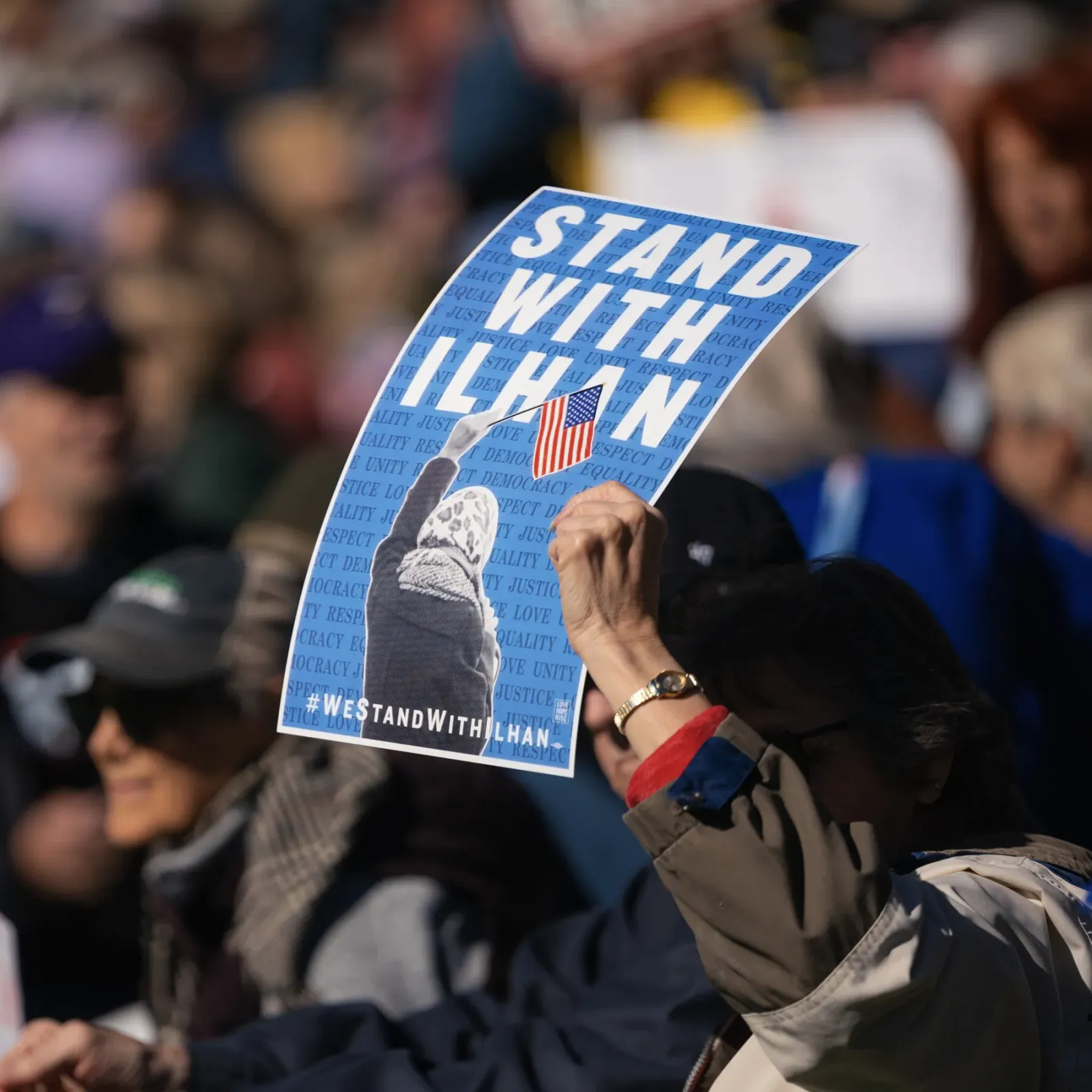
Obama Defends Ilhan Omar After Agents Search Her Home in Trump Inquiry
The former president's intervention raises the stakes in a federal probe into immigration paperwork that has put a prominent progressive lawmaker in the crosshairs.

Blair-era minister: cut welfare to fund youth job support
Alan Milburn's call for welfare cuts to fund employment support opens a Labour fight over benefits and the Neet crisis.
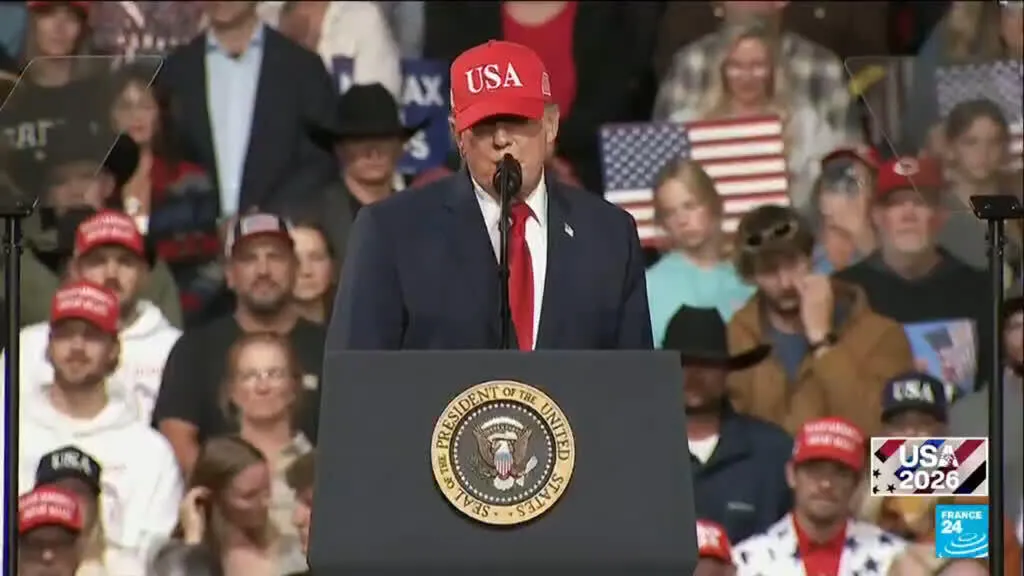
Hot September CPI: energy costs surge, voters feel the squeeze before midterms
The latest inflation print lands as Trump campaigns for GOP control of Congress, putting cost-of-living worries at the center of the midterm fight.