
Supreme Court weighs birthright rollback; White House also tightened legal and illegal migration
NPR maps the coordinated strategy beyond birthright, and what it means for regulators and corporate leaders watching policy risk.

NPR reports that while the Supreme Court considers the Trump administration's effort to revoke birthright citizenship, the White House has pursued other moves to curb illegal and legal migration. The consequence for decision-makers is a broader, synchronized policy push that can affect planning, compliance, and operational risk across industries.
The Supreme Court is weighing the Trump administration's effort to revoke birthright citizenship. That is the headline on the docket, but NPR notes the story does not end there. The White House has also pursued other actions meant to curb illegal and legal migration, and those additional moves matter because they signal a wider, coordinated strategy rather than a single legal gamble.
So what is the “something else” that NPR is putting under the microscope? It is the broader set of efforts tied to immigration enforcement and immigration rules, designed to reduce both unlawful migration and lawful migration. The immediate practical meaning is simple: even if the birthright citizenship question dominates headlines today, companies and institutions that depend on predictable immigration pathways cannot treat the overall policy environment as one isolated case.
To understand why, it helps to remember how immigration policy works in layers. There is the constitutional and statutory foundation at the top, which is where birthright citizenship sits. Then there are the operational levers: enforcement priorities, the interpretation of legal standards, administrative procedures, and how cases are processed in practice. When NPR frames the White House strategy as aimed at “illegal and legal migration,” it points to that layered reality. The administration is not only litigating a foundational question. It is also trying to reshape how migration decisions are made and implemented across the pipeline.
For executives, the most important second-order effect is that coordinated policy efforts tend to create policy uncertainty even for people who think they are “outside the blast radius.” Legal migration includes categories and processes that businesses often rely on indirectly. Universities, hospitals, labs, contractors, and startups all sit in an ecosystem where immigration status can determine whether talent can join quickly, whether staffing plans survive delays, and whether travel or compliance becomes a recurring problem. When an administration pursues actions aimed at tightening legal routes alongside enforcement against illegal migration, it raises the odds that processing times, documentation standards, and eligibility interpretations will shift.
Another practical angle is that the Supreme Court’s review changes the timing and shape of the policy landscape. Court consideration can freeze some outcomes while accelerating others. Meanwhile, administrative actions can proceed through rulemaking, agency guidance, or enforcement practices. NPR’s framing implies decision-makers should think in terms of momentum. If the White House is building a coordinated strategy, then the administration may be using the case on birthright citizenship as one front while continuing to push other fronts that affect outcomes on the ground.
There is also a regulatory framing dynamic here. Immigration enforcement and adjudication involve multiple actors, including courts, executive agencies, and immigration courts. That makes immigration a domain where legal theory and operational practice collide. The point is not that every move will succeed. The point is that even partial effectiveness or even temporary disruption can alter organizational planning. If migration is being targeted from multiple angles, the risk for institutions is not just “will the Supreme Court rule one way.” The risk is whether the total system feels like it is tightening, even as lawsuits play out.
For boards and senior leadership teams, this is a classic scenario: the external rule set is changing, and the change is broader than the single moment in the spotlight. NPR’s summary directs readers to look beyond the Supreme Court argument and to see the White House’s other efforts to curb both illegal and legal migration. That is the kind of coordinated, multi-front approach that tends to stay relevant long after a single court ruling, because it can influence administrative behavior, compliance expectations, and the operating environment for years.
In other words, the Supreme Court’s birthright question is urgent. But NPR’s bigger takeaway is that the White House is trying to reshape outcomes across the entire migration system. For decision-makers, that means the relevant question is not only how a constitutional case lands. It is how a synchronized set of policies is likely to keep affecting practical immigration realities in the meantime.
This story's Key Insights and Take-aways are locked.
Create a free account to unlock Executive Actions for one credit.
Register to UnlockAlways free for Executives Club members. Join the Club
More in Politics
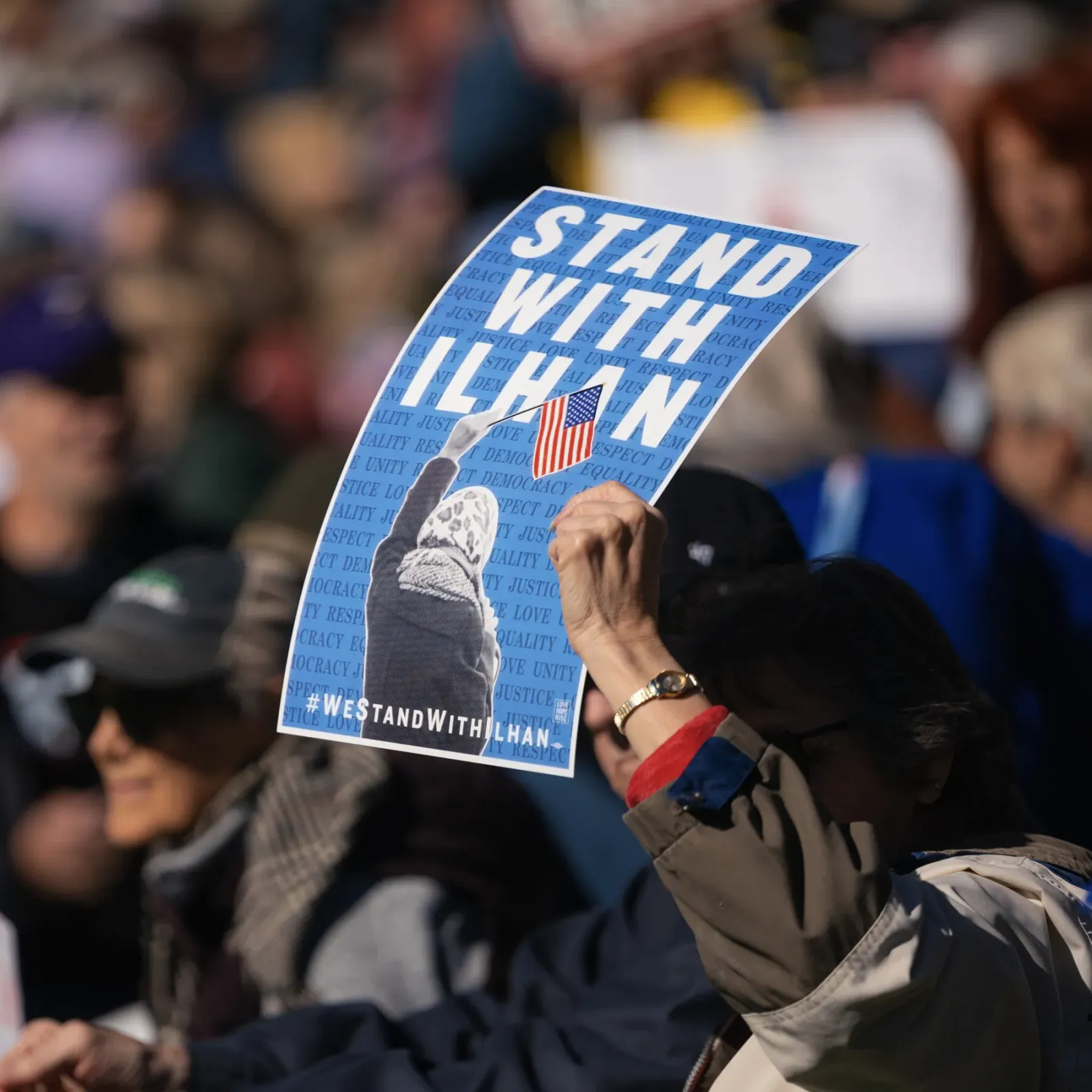
Obama Defends Ilhan Omar After Agents Search Her Home in Trump Inquiry
The former president's intervention raises the stakes in a federal probe into immigration paperwork that has put a prominent progressive lawmaker in the crosshairs.

Blair-era minister: cut welfare to fund youth job support
Alan Milburn's call for welfare cuts to fund employment support opens a Labour fight over benefits and the Neet crisis.
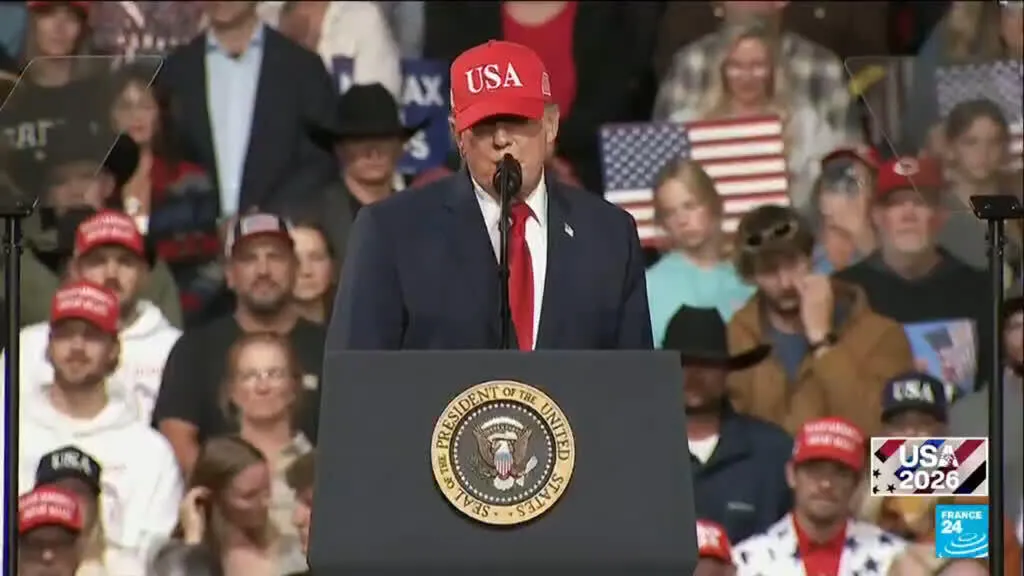
Hot September CPI: energy costs surge, voters feel the squeeze before midterms
The latest inflation print lands as Trump campaigns for GOP control of Congress, putting cost-of-living worries at the center of the midterm fight.