

HKIC nearly triples investment income to HK$6.46b in 2025, up 175% YoY
The state-backed “patient capital” model starts printing returns in its second year, and boards should care.
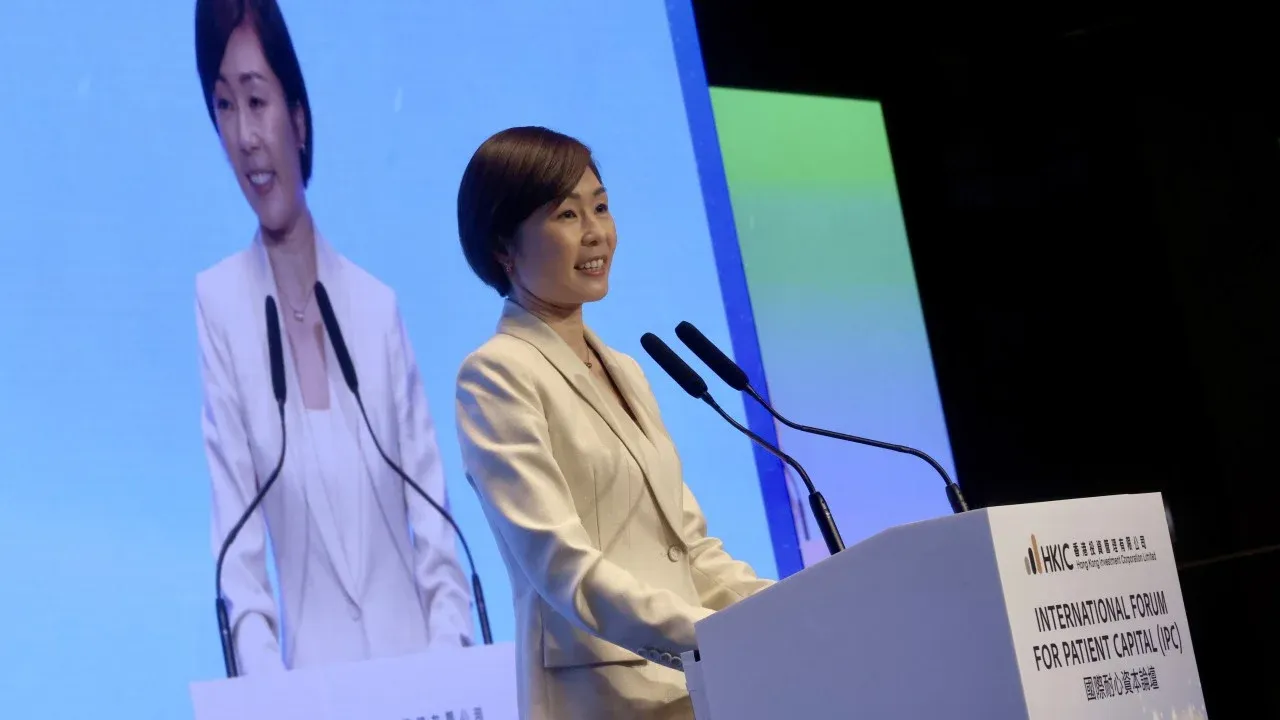
Hong Kong Investment Corporation (HKIC), a wholly state-owned investment firm, reported about HK$6.46 billion (US$824 million) in investment income for 2025. The result is roughly a 175% year-on-year jump, marking an early proof point for the city’s “patient capital” strategy.
HKICs second-year numbers just turned heads: it generated about HK$6.46 billion (US$824 million) in investment income in 2025, according to its latest financial report released on Thursday. That is a 175% year-on-year increase, a jump the Hong Kong market will treat as more than just a feel-good headline.
Why? Because HKIC is designed to do something that public markets often struggle with. The firm is positioned as Hong Kong’s “patient capital” engine, meaning it is supposed to fund and support investments with longer time horizons tied to local economic development. The logic is straightforward: if you are going to deploy capital patiently, you cannot just chase short-term performance. You need time, governance, and enough balance-sheet strength to stick with the plan while private investors might sprint for the exits. This 2025 surge is the kind of early performance signal that makes it harder for skeptics to dismiss the strategy as slow or symbolic.
This matters for decision-makers because “patient capital” is not a vague slogan, it is a test of incentives. Investment income is not the same thing as impact. You can intend to support development and still lose money, or at least underperform. So when a state-backed investor reports both scale and a dramatic jump in investment income in its second year of operation, it forces boards, finance chiefs, and strategy leaders to ask what changed. Was it portfolio composition? Timing of realizations? Market recovery? Or improved execution as an organization matures? The source does not break that down further, but the headline figure itself becomes a governance signal. It suggests HKIC is not only investing, it is also converting those investments into income in a way that shows up on the financial ledger.
Context helps. In most systems, capital markets reward speed. Liquidity, quarterly reporting, and mark-to-market mechanics push investors toward shorter duration exposures. Patient capital is different by design: it typically assumes you can hold positions through volatility and still deliver returns later. The risk is that patience turns into paralysis, especially when mandates are political or development-linked. A 175% year-on-year increase does not eliminate those risks, but it does shift the conversation. Instead of debating whether patience can work, stakeholders now have new ammunition for asking whether HKIC’s approach can be scaled and replicated without sacrificing discipline.
There is also a political economy angle, even for people who only care about spreadsheets. HKIC is described as wholly state-owned, and the report frames it as driving local economic development. That means its performance is watched by more than just investors. It becomes part of how the city evaluates its own development finance toolkit. If the model produces investment income at meaningful size early on, it can justify continued funding, broaden participation, and encourage other institutions to align with the patient-capital playbook. Conversely, if returns disappoint later, the political and administrative burden can quickly grow, turning operational questions into mandate questions.
From a boardroom perspective, the early “returns first” signal has second-order effects on risk appetite. When an entity shows strong investment income, internal stakeholders often become more willing to expand mandates or take on complexity. That can be positive if the strategy is genuinely robust. But it can also tempt organizations to overreach in pursuit of momentum. The key executive challenge is to maintain the long-horizon discipline that patient capital requires while still managing near-term accountability.
Peers in similar roles should treat this as a benchmark moment. The source is clear on three concrete anchors: the year is 2025, the investment income is about HK$6.46 billion (US$824 million), and the growth rate is 175% year-on-year. Even without the full breakdown, those anchors are enough to reset expectations in Hong Kong’s development finance ecosystem. The question for the next cycle is not whether patient capital can produce returns at all. It now has evidence that it can at least begin to translate intent into income. The harder question is whether HKIC can sustain it as the second-year organization matures, portfolios turn over, and markets change.
In other words: this is not just a report. It is a strategic proof point for Hong Kong’s model of using a state-owned vehicle to back local development with longer-term investment discipline. And once that proof point lands, the bar for transparency, governance, and consistent execution rises for everyone watching from finance, policy, and investment leadership seats.
This story's Key Insights and Take-aways are locked.
Create a free account to unlock Executive Actions for one credit.
Register to UnlockAlways free for Executives Club members. Join the Club
More in Business

Epic and Google drop settlement bid, forcing rival Android app stores by July 22
Google told the court it is ready to carry third-party app stores starting Wednesday, July 22.
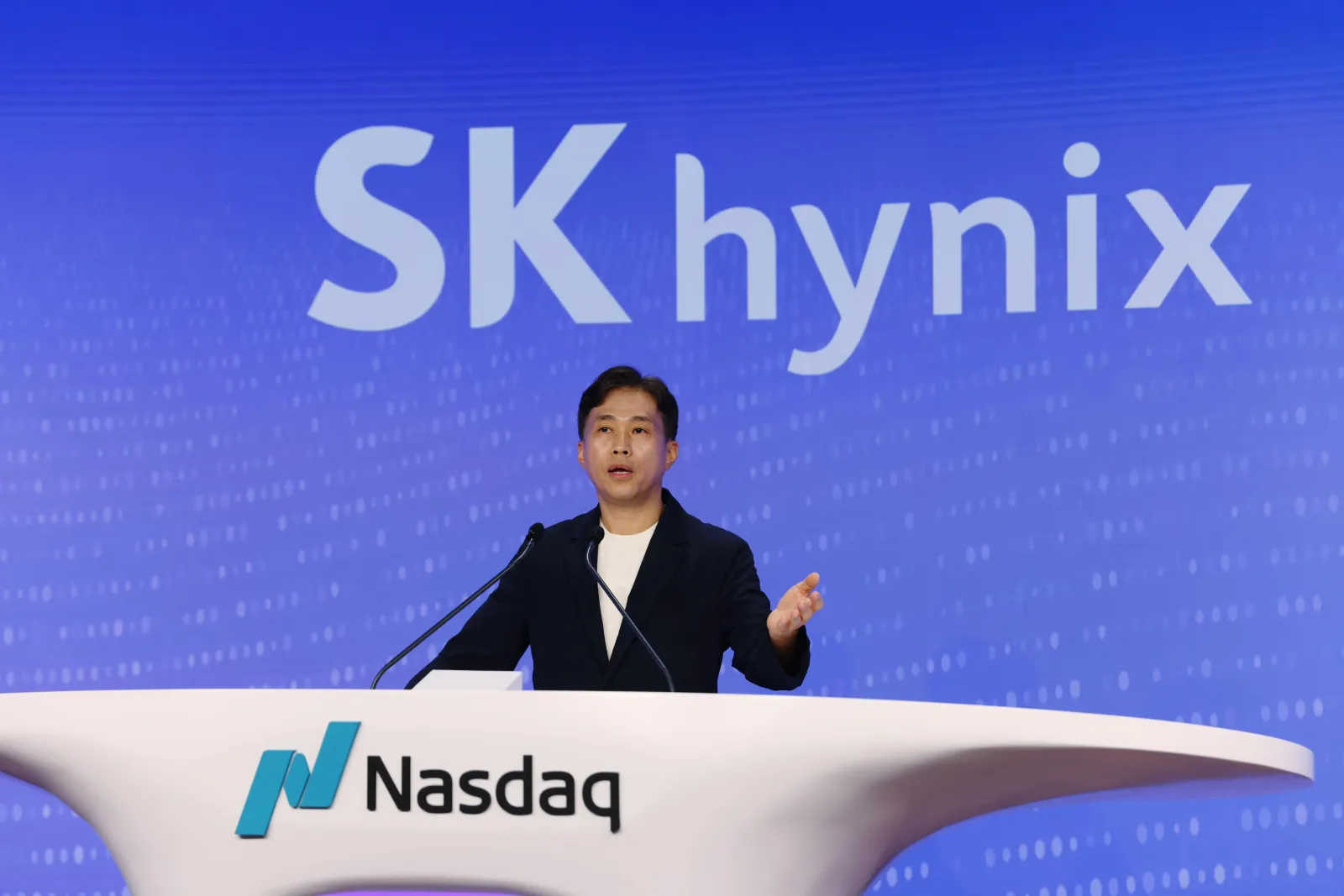
SK Hynix opens at $170, raises $26.5B, and tops foreign IPO records
In Friday's Wall Street debut, SK Hynix turns AI RAM demand into a $26.5B fundraising moment that rewrites comps.
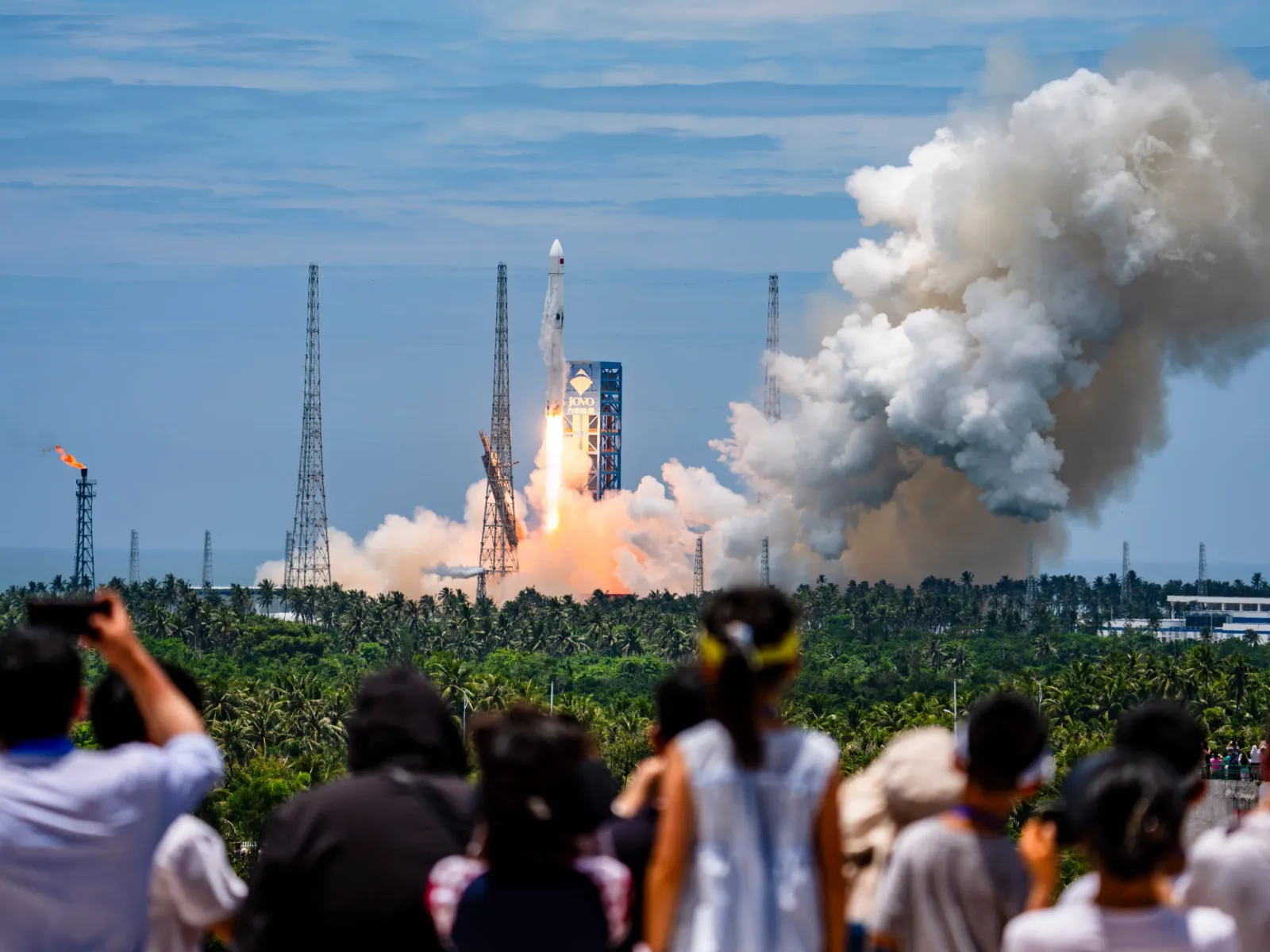
China lands a reusable Long March booster, a first that matches SpaceX and Blue Origin
A barge landing and net-based recovery move China from theory to proof, reshaping the reusability race and satellite ambitions.