

House passes KIDS Act 267-117, first KOSA version out of lower chamber
A sprawling kids online safety package cleared the House Monday night, with 47 members not voting, reshaping the compliance clock.
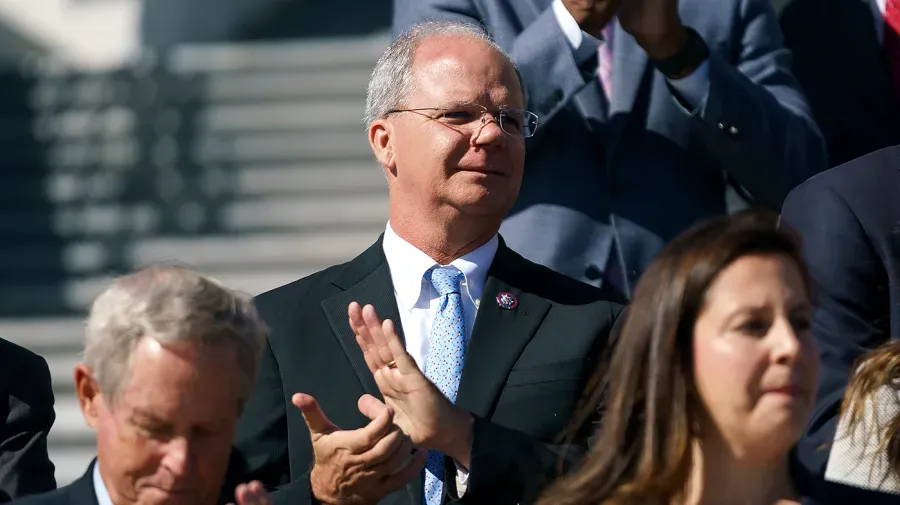
The House passed the Kids Internet and Digital Safety (KIDS) Act Monday night, 267-117, with 47 members not voting, marking the first time a version of the landmark Kids Online Safety Act (KOSA) cleared the lower chamber. For decision-makers, the vote shifts the timeline from policy debate to operational planning for platforms and advertisers alike.
The House passed the Kids Internet and Digital Safety (KIDS) Act on Monday night in a 267-117 vote. That vote matters for a reason that goes beyond the scoreboard: it is the first time a version of the landmark Kids Online Safety Act (KOSA) made it out of the lower chamber.
This is not just “another bill” floating around Washington. The House cleared a sprawling package of kids online safety bills, with 47 members not voting, and that single procedural milestone moves KOSA from aspiration into something companies can plan against. Once a bill crosses the House, the attention of lawmakers, regulators, and courts starts to follow it, and the compliance timeline for impacted platforms gets sharper even before final passage.
To understand why operators should care, you have to recognize what KOSA-style proposals are trying to force the industry to do. The basic shape of these kids online safety efforts is to require more guardrails around how online services address minors. That typically means pressure for risk assessments, clearer disclosures, and mechanisms intended to reduce exposure to certain harmful content or behaviors. Even if the final law winds up different, the House vote signals what this Congress thinks is politically possible and legally defensible, which influences what stakeholders will demand from platforms next.
There is also an incentive shift happening inside companies. Compliance costs are one thing. But the bigger board-level issue is uncertainty management. When a concept like KOSA is still stuck in committee, executives can treat it as “watchlist legislation.” After a House passage, it becomes “scenario planning with deadlines.” The operational question stops being whether the policy could happen and turns into how to implement the kind of compliance posture that would be robust across a range of final legislative text. That can affect product design, internal policy review, logging and reporting capabilities, moderation tooling, and the way companies engage with regulators.
Importantly, the Hill story frames this passage as happening despite “watchdog pushback.” In other words, not everyone involved in the policy ecosystem endorsed the direction of the package. That matters because pushback often comes from groups that are worried about whether requirements are too weak, too broad, or too difficult to enforce. If watchdogs believe the rules will not deliver the intended safety outcomes, they may push for changes as the bill moves forward. If they think the package could create other harms, they may argue for limitations. Either way, the second-order implication for corporate planning is that the bill's core requirements could evolve, which increases the value of building adaptable compliance processes rather than one-off fixes.
For the people running public platforms, this is also a reputational and partnership issue. Advertisers and app distribution partners increasingly expect proof that risk is managed responsibly, especially where minors might be involved. When lawmakers move from theory to legislation, it changes what “responsible” means for procurement cycles and vendor questionnaires. Boards should assume that due diligence expectations will rise, even if some specific operational details remain unresolved.
There is another layer here: the House passage does not mean the job is done. It means the next phase starts. Bills generally need additional action after clearing the lower chamber, and there is likely to be negotiation, refinement, and contested interpretation of what the law would require. But those later steps still depend on what cleared the House and how widely it did so. A 267-117 vote shows meaningful support across factions. The fact that 47 members did not vote adds noise, but it also highlights how contested or low-priority the issue may be for certain lawmakers, which can influence how vigorously leadership fights to preserve the current structure versus rewriting it.
So the strategic stakes for executives are straightforward: this vote compresses the window between “monitoring” and “building.” It raises the probability that platforms will face concrete compliance obligations tied to how they protect minors online, even as the final text may change. If your company serves users who could be minors, the House has now validated that KOSA is a real legislative track, not a talking point. The next questions for boards are whether current product and compliance frameworks can be adapted quickly, whether leadership can map which parts of the bill are likely to survive negotiation, and how to prepare teams for a higher level of scrutiny from regulators, watchdogs, and business partners.
This story's Key Insights and Take-aways are locked.
Create a free account to unlock Executive Actions for one credit.
Register to UnlockAlways free for Executives Club members. Join the Club
More in Politics
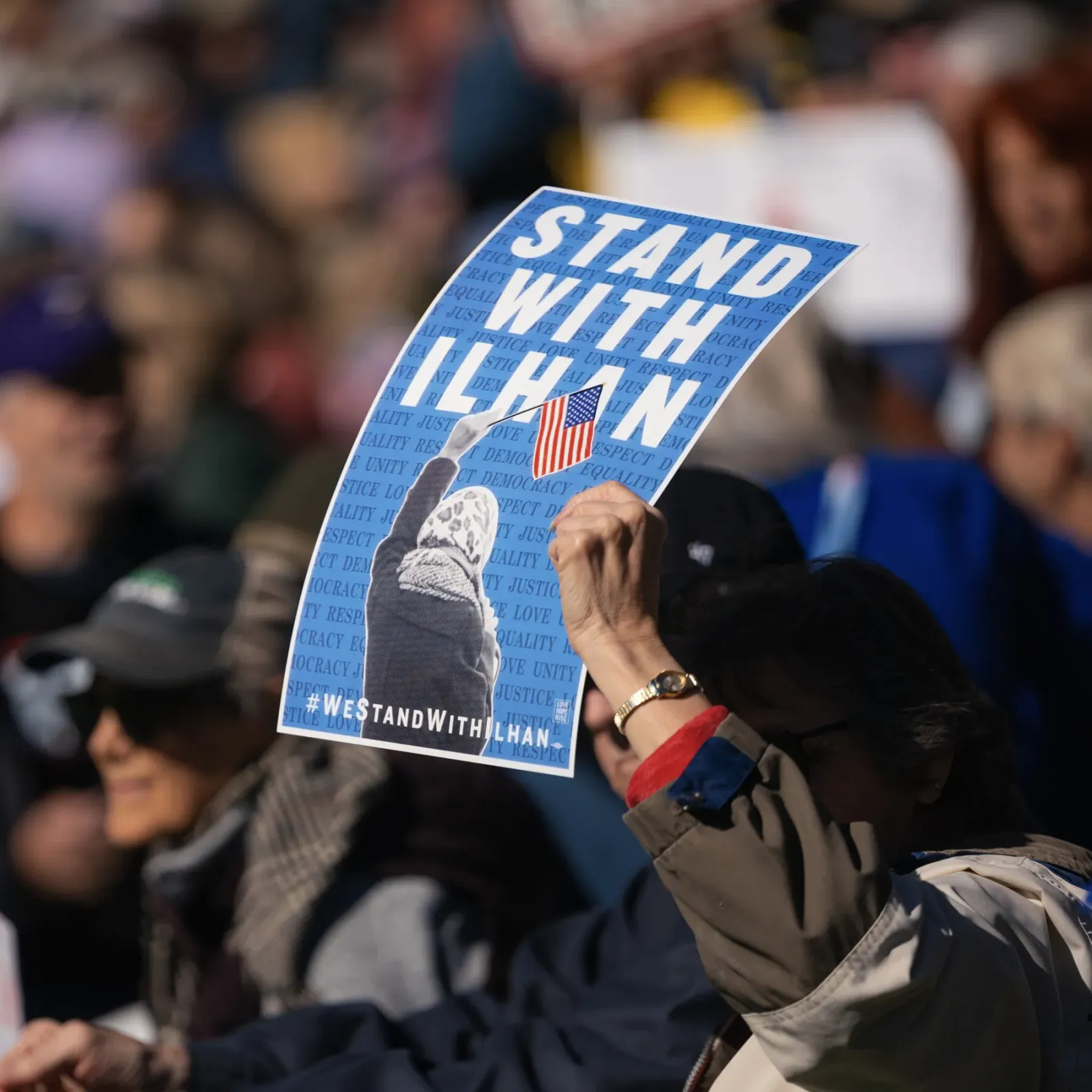
Obama Defends Ilhan Omar After Agents Search Her Home in Trump Inquiry
The former president's intervention raises the stakes in a federal probe into immigration paperwork that has put a prominent progressive lawmaker in the crosshairs.

Blair-era minister: cut welfare to fund youth job support
Alan Milburn's call for welfare cuts to fund employment support opens a Labour fight over benefits and the Neet crisis.
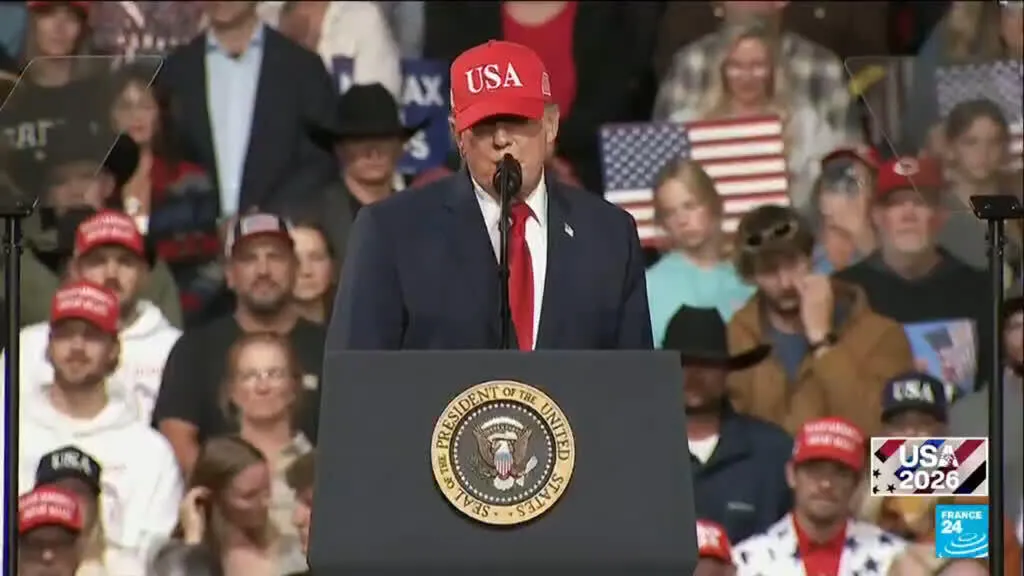
Hot September CPI: energy costs surge, voters feel the squeeze before midterms
The latest inflation print lands as Trump campaigns for GOP control of Congress, putting cost-of-living worries at the center of the midterm fight.