
House passes stopgap funding through Dec. 4, but shutdown fight with Democrats looms
A narrow vote buys runway. It also sets up the next, bigger clash over whether the government runs or stalls.

Republicans pushed through a stopgap spending bill to fund the government through Dec. 4 despite Democrats opposing it. For decision-makers, that temporary win turns into a near-term risk map for operations and planning.
Republicans narrowly pushed a stopgap spending bill through the House to fund the government through Dec. 4, but Democrats opposed it. Translation: the government does not shut down today, but the shutdown fight is not gone. It just moves to the next deadline, with the political battlefield already set.
That Dec. 4 date matters because stopgaps are not an endpoint. They are a holding pattern that prevents immediate disruption while both parties fight over the terms of a broader funding package. Since Democrats opposed the legislation even though it would keep the lights on through Dec. 4, you can already see the shape of the coming battle: the coalition that secured the temporary funding is not the coalition that has to agree on the next, larger vote.
For executives, this is the part of Washington that tends to get underestimated. Government funding deadlines do not just affect politics. They ripple into contracting cycles, agency staffing, program timelines, and regulatory enforcement rhythms. When a stopgap is involved, agencies may plan conservatively, stretch approvals, or defer decisions until the next legislative outcome is clearer. Even without a full shutdown, uncertainty can slow work, shift priorities, or encourage “wait for the next update” behavior across procurement and oversight.
There is also a governance dynamic hiding in plain sight. The House action shows Republicans can pass a stopgap even without Democratic support. But the fact that Democrats opposed it means there will be ongoing resistance to whatever comes next. That is an important signal for anyone who relies on stable agency action. If the next funding package becomes a partisan negotiation rather than a routine renewal, the policy and operational implications can widen. In practice, broader battles often turn into higher friction for the middle layer of decision-making, where agencies translate policy into rules, guidance, and budgets.
Zoom out further and you get why this sequence keeps recurring. Stopgap bills are built for one job: buy time. But buying time also means you are buying time for disagreement. The broader battle is not theoretical. It is scheduled. With the government funded through Dec. 4, the immediate question is not whether legislators can pass another temporary fix, but whether they can reach an agreement that extends funding beyond that runway.
The second-order effect for boards and leadership teams is planning cadence. When leadership knows there is a firm political deadline that governs agency budgets, it changes how you manage timelines and risk. Teams that depend on government procurement or on regulatory processes may want to treat the stopgap window as a clock with real consequences. Even if a shutdown does not happen, Congress may still be operating under the assumption that the hard decisions are waiting for the next vote.
There is also a communications and stakeholder dimension. When funding is temporary and contested, stakeholders in regulated industries and across the supply chain often press for clarity. Investors and customers ask whether timelines will slip. Employees ask whether programs will continue. Partners ask whether compliance requirements will change. The uncertainty itself becomes a cost center, even in the absence of a formal shutdown.
So while Republicans got the government funded through Dec. 4, the legislative math that brought that result also sets up the next fight. Democrats opposed the stopgap, and that makes the “broader battle” more than a headline line. For executives in adjacent sectors and for any leadership team that touches government-facing operations, this is a reminder to plan for both outcomes: continuity within the stopgap period and volatility when the next funding package enters the arena.
This story's Key Insights and Take-aways are locked.
Create a free account to unlock Executive Actions for one credit.
Register to UnlockAlways free for Executives Club members. Join the Club
More in Politics
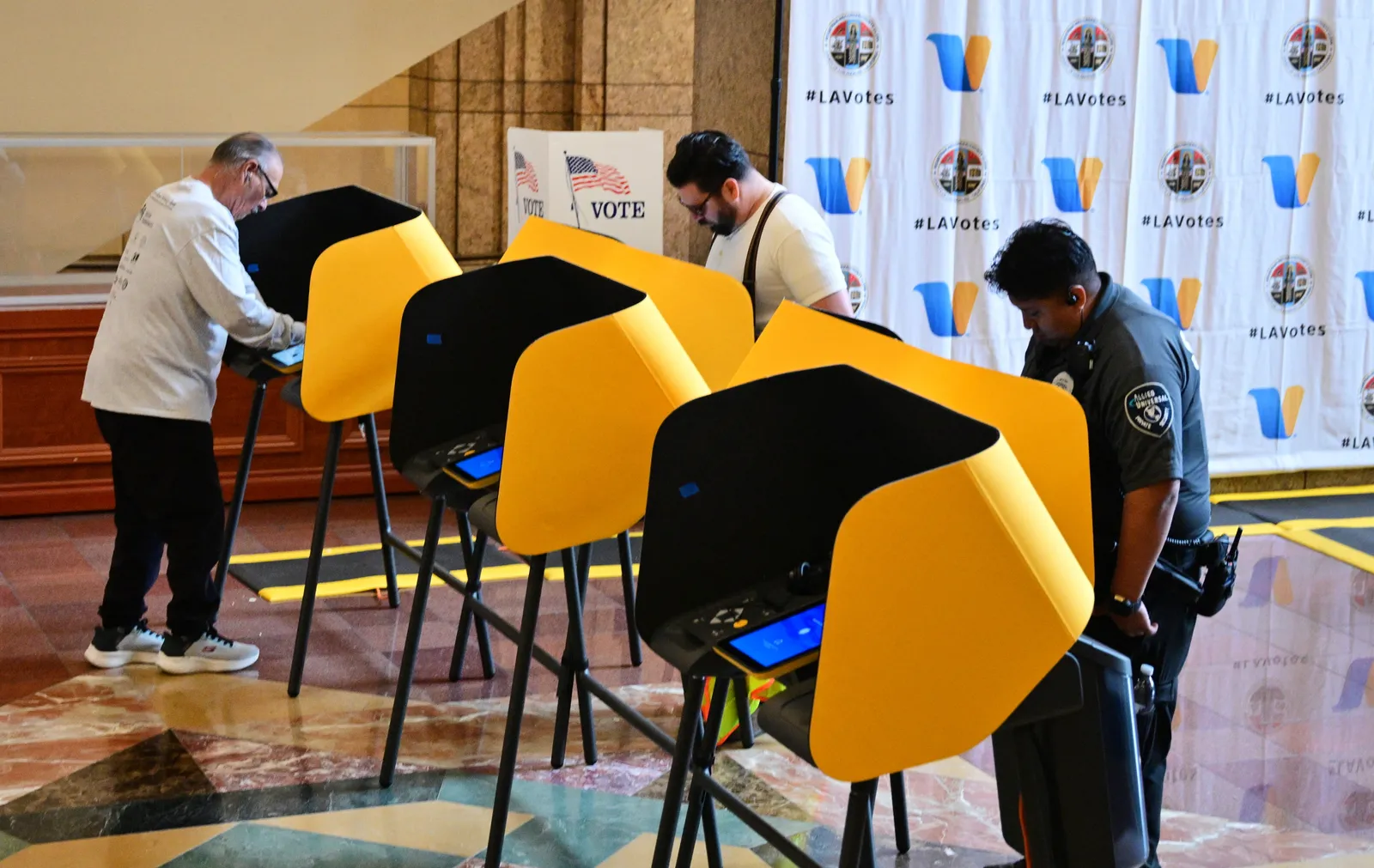
LA County: DOJ's 20,000 'noncitizen' voter list is 'unreliable,' includes U.S.-born
Preliminary review by Los Angeles County election officials finds errors in the federal list, raising the stakes for voter roll integrity ahead of November.
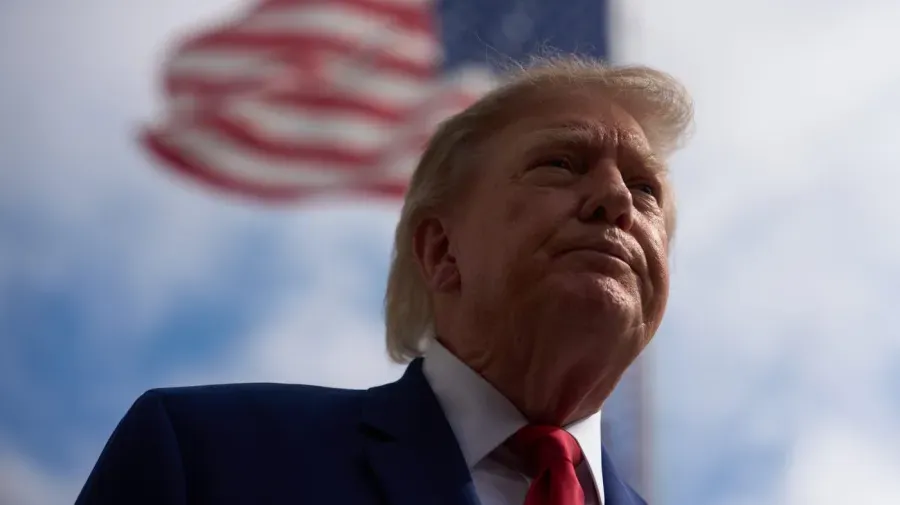
Trump's $1.5B Pentagon chip investment lands in North Carolina
A $1.5 billion defense infusion for North Carolina chipmaking signals a new era of Pentagon-backed reshoring - here's what it means for the industry.

Nigeria confirms first Ebola case in Abuja, a woman just off a Uganda flight
Health Minister Muhammad Ali Pate says the patient flew in from Uganda, putting Africa's latest outbreak on Nigeria's doorstep.