

Hydrogen Retrofit Cuts Ship Fuel 24% and Emissions 28% - Now, Not 2050
A San Francisco startup's retrofit proves existing ships can slash fuel and emissions today, challenging the industry's wait-for-2050 timeline.
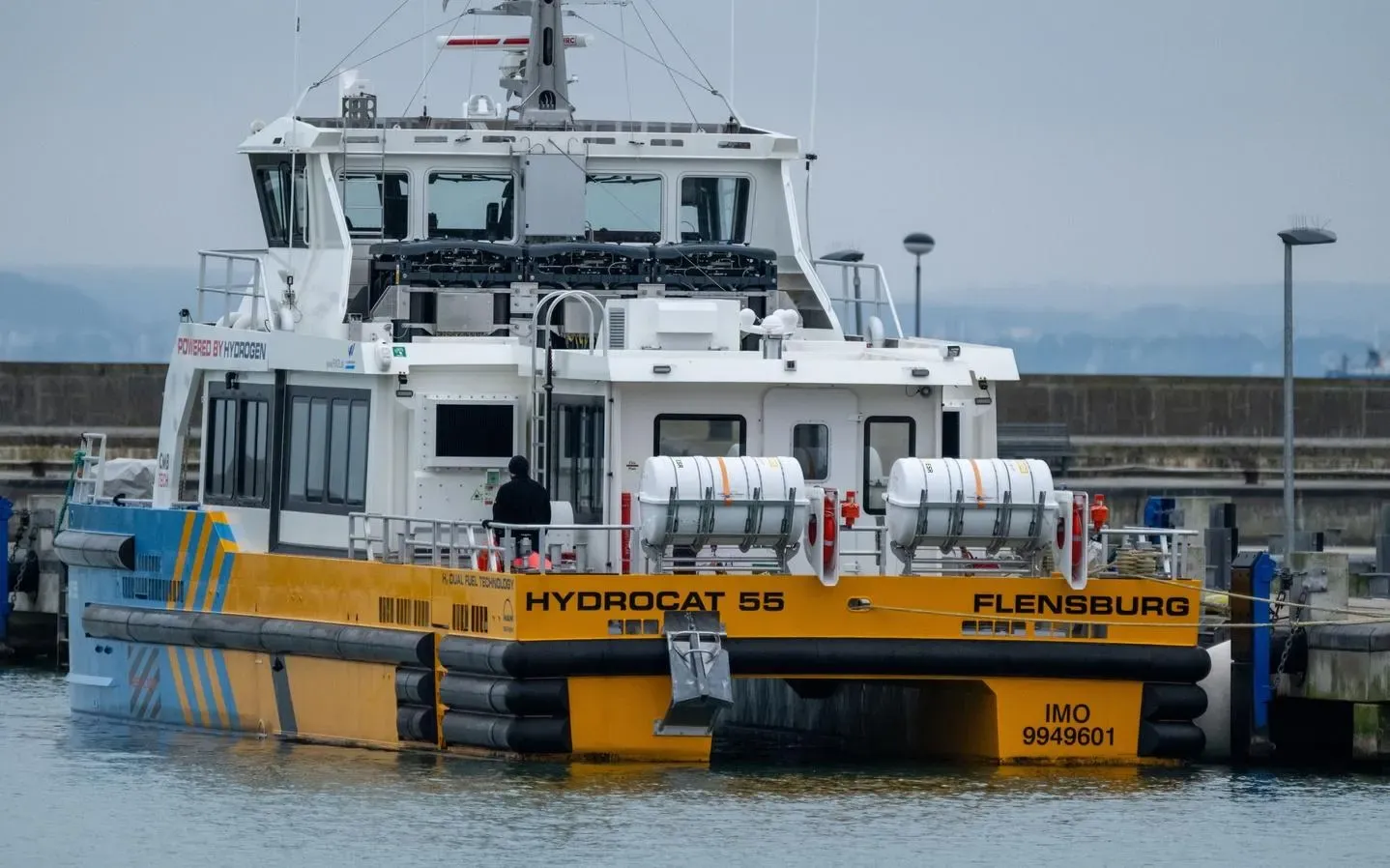
A San Francisco startup's hydrogen retrofit cut fuel use 24% and emissions 28% on an 8,500-mile voyage, according to its backers. The result challenges the assumption that cleaner shipping must wait for newbuilds or 2050 targets, putting pressure on fleet owners to act now.
A San Francisco startup just posted numbers the shipping industry has been told to wait decades for. On an 8,500-mile voyage, its hydrogen retrofit cut fuel use by 24% and emissions by 28%, according to the company's backers. The results are not a 2050 promise or a lab experiment. They are real-world performance from an existing ship, retrofitted now.
The message, as the startup's supporters frame it, is that ships do not need to wait for cleaner fuel. The retrofit proves that the technology can be installed on vessels already in the water, delivering immediate reductions in both operating cost and carbon output. For fleet owners facing tightening regulations and rising fuel prices, that changes the math on when to act.
Shipping has long been one of the hardest sectors to decarbonize. Vessels run for decades, fuel is a major operating cost, and the industry's regulator, the International Maritime Organization, has set its sights on net-zero emissions by or around 2050. Until recently, the conventional wisdom was that reaching those goals would require a new generation of ships designed from the keel up to run on ammonia, methanol, or hydrogen. Retrofitting the existing fleet was seen as expensive, complex, and unproven at scale.
The startup's voyage challenges that assumption. A 24% fuel saving is not a marginal tweak. For a large vessel burning thousands of tons of fuel a year, that kind of reduction translates directly into lower costs and lower emissions. The 28% emissions cut is particularly notable because it comes from a single retrofit, not a full newbuild program. If the technology can be replicated across the global fleet, the cumulative impact could be significant.
Hydrogen is not a silver bullet. The fuel faces real infrastructure hurdles, from production capacity to onboard storage and bunkering networks. But the retrofit result suggests that the bottleneck is not the engine technology itself. It is the willingness of owners to invest in upgrading ships that still have years of service life ahead of them. The startup's backers are betting that the economics will make that decision easier.
For CFOs and fleet operators, the implication is straightforward: the window for action may be opening sooner than expected. Regulators are tightening emissions rules, charterers are demanding greener vessels, and investors are pricing in transition risk. A retrofit that pays for itself in fuel savings while cutting emissions could become a competitive advantage rather than a compliance cost. The companies that move first may lock in lower operating costs and stronger customer relationships.
The broader lesson extends beyond shipping. Every industry with a long-lived asset base faces the same choice: wait for the perfect clean technology to arrive, or deploy what works today and improve it over time. The hydrogen retrofit is a case study in the second approach. It does not solve every problem, but it proves that progress does not have to wait for a distant deadline.
The startup has not released the full technical details, and one voyage is not a fleet-wide proof. But the direction is clear. If retrofits can deliver double-digit fuel and emissions cuts today, the industry's 2050 targets start to look less like a far-off goal and more like a near-term opportunity. The ships are already in the water. The question is whether their owners will act now or wait for a cleaner future that is already arriving.
This story's Key Insights and Take-aways are locked.
Create a free account to unlock Executive Actions for one credit.
Register to UnlockAlways free for Executives Club members. Join the Club
More in Business
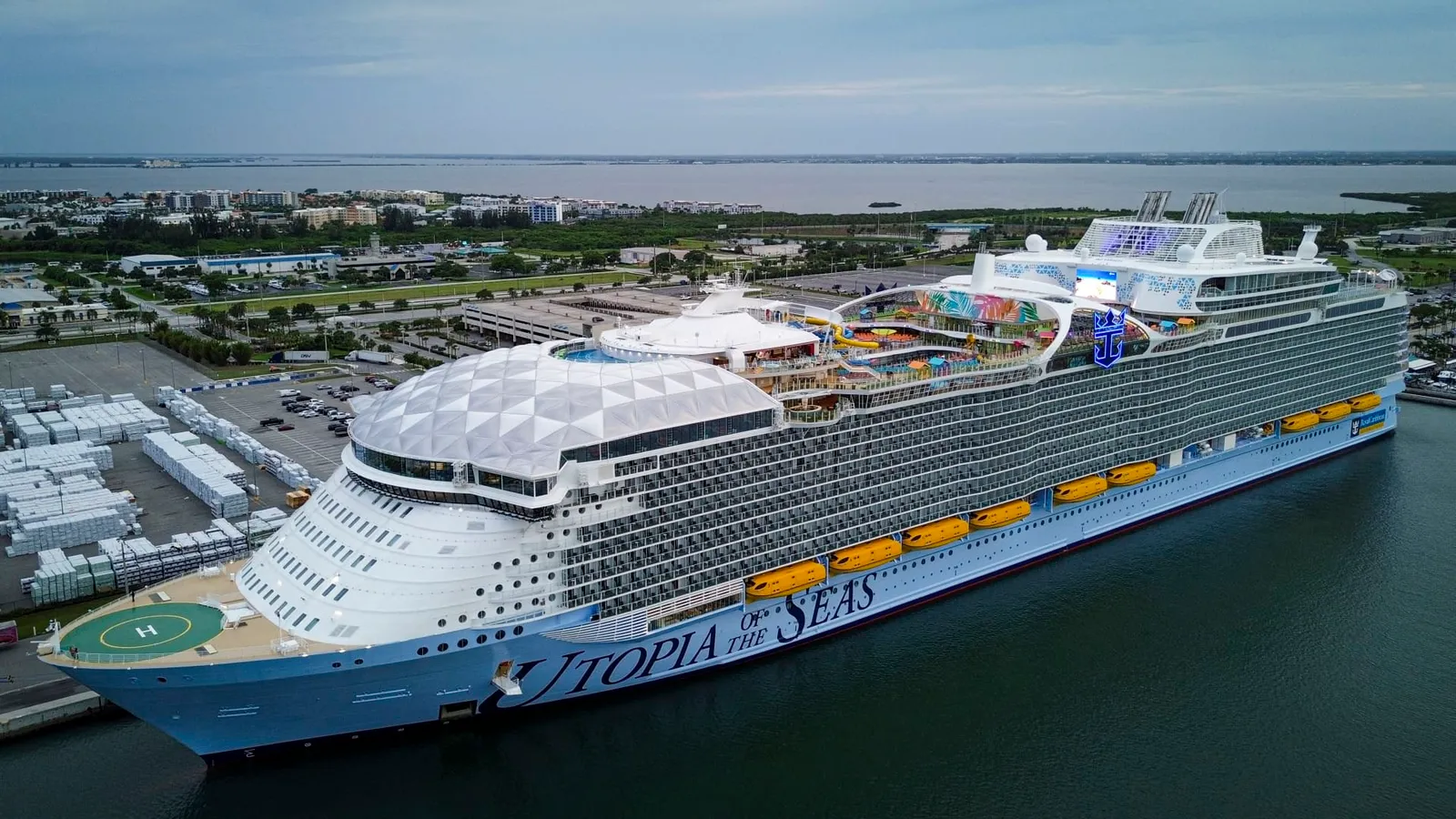
Royal Caribbean just spent $3B to own half of Sandals
The cruise giant is buying a 50% stake in the all-inclusive resort chain for $3 billion, a bet that land-based vacations are the next growth engine.

Paramount's Ellison: Merger Clearance Done, WBD Deal by Oct 1
David Ellison says the Paramount-WBD merger has full clearance after settling with state AGs, clearing the path for an October 1 close.

Paramount settles with 12 states, $110B Warner merger clears final hurdle
David Ellison's studio avoids a March trial and a $7M-a-day ticking fee by settling with state AGs over local job losses.