
ICE suspends traffic stop operations after second fatal shooting in days
A Colombian delivery driver is killed after being mistaken for a suspect, intensifying scrutiny of Trump’s immigration crackdown.
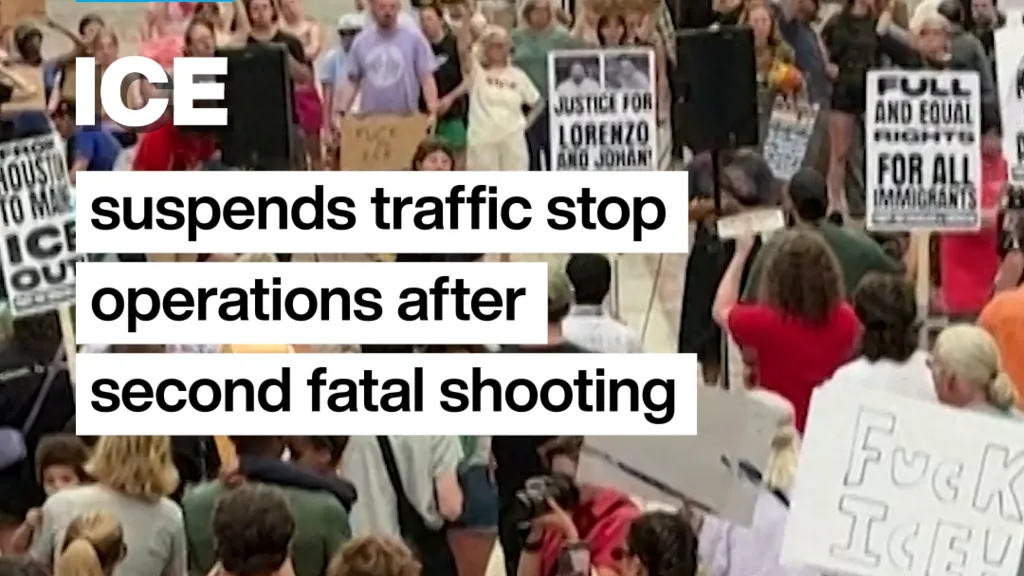
ICE has suspended traffic stop operations after a second fatal shooting involving ICE agents in just a few days. A 26-year-old Colombian delivery driver was shot dead after U.S. immigration officers mistook him for another male subject tied to an arrest warrant.
ICE has suspended traffic stop operations after a second fatal shooting involving ICE agents in just a few days. The immediate trigger is a deadly incident in which a 26-year-old Colombian delivery driver was shot dead after being mistaken for another male subject of an arrest warrant.
For decision-makers watching the political and regulatory heat around U.S. immigration enforcement, the key detail is that this is not a one-off. It is the second shooting in a matter of days, and the incidents are already fueling criticism of President Donald Trump’s aggressive immigration crackdown. The operational consequence is straightforward: ICE traffic stop activity has been halted while scrutiny and fallout play out.
To understand why that matters beyond the headlines, it helps to see how enforcement moves in the real world. Traffic stops are a frontline tactic because they can rapidly move officers from “normal road safety” into “identity and warrant checks,” often with very little time to confirm details. That puts tremendous weight on procedures like matching identity, verifying the right person, and handling high-stakes uncertainty without escalation. When a driver is mistaken for someone else tied to an arrest warrant, the failure point is not abstract. It is the moment where systems, paperwork, and assumptions collide with a human being in the wrong place.
This is also how reputational risk compounds. When the second fatal incident follows the first quickly, it changes the narrative from “tragic event” to “pattern,” even if each case has its own facts. In politics, timing is everything, and in enforcement agencies, speed can outrun safeguards. The source makes the causal link plain at the framing level: both incidents are fuelling criticism of Trump’s aggressive immigration crackdown. That phrase matters because it signals that the criticism is not only about a single officer or a single stop. It is about the broader strategy and posture of enforcement.
There is a second-order implication for organizations and leaders who interact with enforcement environments, from employers with mixed-status workforces to service providers operating in immigrant communities. When enforcement tactics face pause or suspension, operations shift, but so does uncertainty. People react to perceived risk, paperwork delays, and enforcement “signal changes.” That can affect labor availability, community trust, and even how companies plan compliance, staffing, and risk controls. A suspension of one tactic does not end enforcement attention. It can simply redirect it to different pathways, such as other forms of stops or investigations.
Boards and executives in adjacent sectors should also pay attention to how regulatory scrutiny travels. Public criticism around aggressive crackdown tactics tends to draw focus from multiple directions: lawmakers, watchdogs, courts, and advocacy groups. When shootings occur, scrutiny intensifies around rules of engagement, training, oversight, and recordkeeping, especially identity verification and warrant matching. That means the reputational and compliance risk is not limited to immigration policy. It can spill into how governments justify enforcement practices and how they defend them in public and legal forums.
Finally, this episode is a reminder that enforcement agencies are not insulated from operational reversals. ICE suspending traffic stop operations is an immediate, tangible change, not a vague promise. Leaders should treat that as a signal about how quickly enforcement actions can be constrained when public scrutiny rises and when outcomes turn fatal. For peers thinking about risk in high-impact public systems, the lesson is blunt: when enforcement meets uncertainty, the cost of getting it wrong is immediate, permanent, and politically explosive.
This story's Key Insights and Take-aways are locked.
Create a free account to unlock Executive Actions for one credit.
Register to UnlockAlways free for Executives Club members. Join the Club
More in Politics
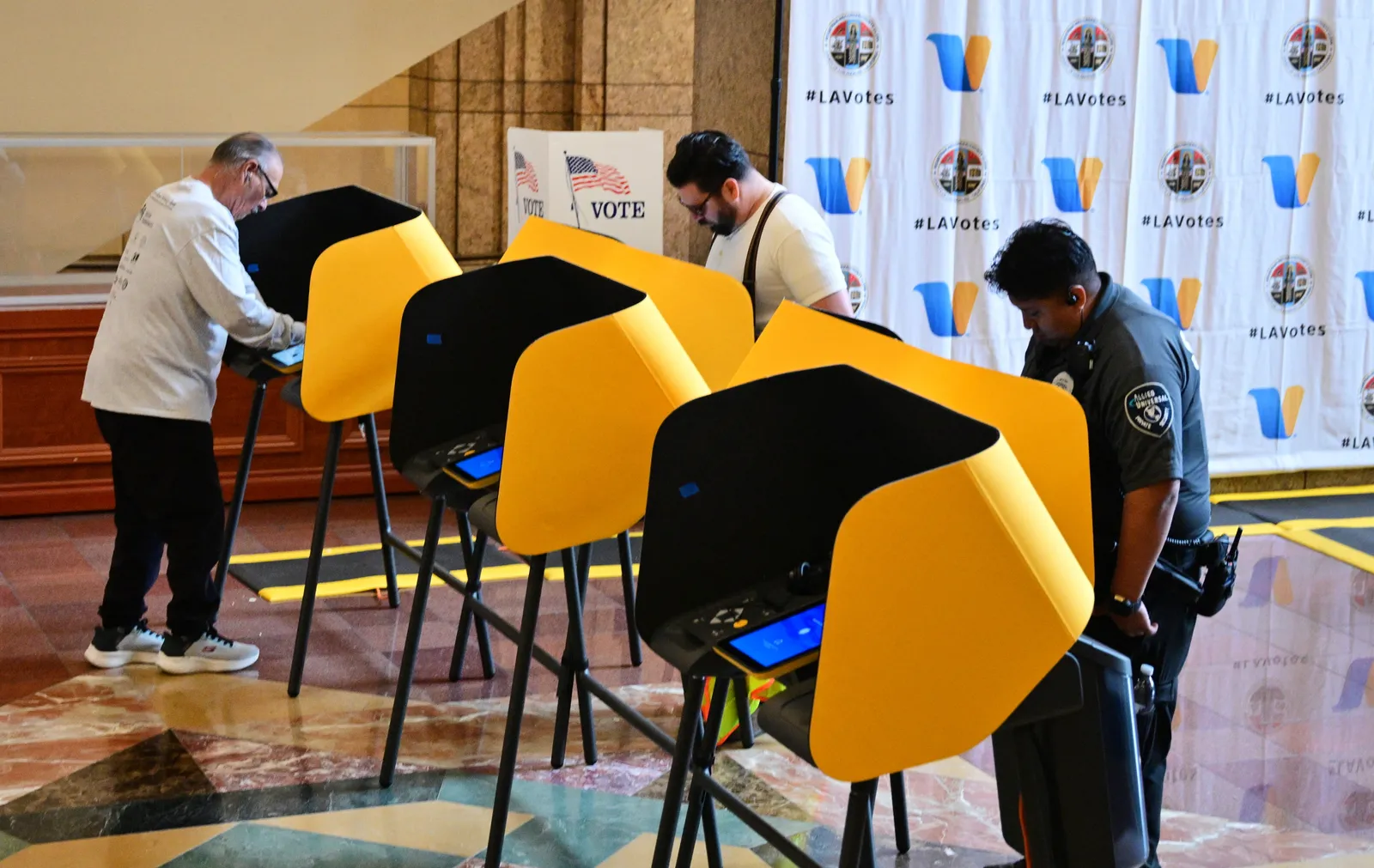
LA County: DOJ's 20,000 'noncitizen' voter list is 'unreliable,' includes U.S.-born
Preliminary review by Los Angeles County election officials finds errors in the federal list, raising the stakes for voter roll integrity ahead of November.
Trump's $1.5B Pentagon chip investment lands in North Carolina
A $1.5 billion defense infusion for North Carolina chipmaking signals a new era of Pentagon-backed reshoring - here's what it means for the industry.

Nigeria confirms first Ebola case in Abuja, a woman just off a Uganda flight
Health Minister Muhammad Ali Pate says the patient flew in from Uganda, putting Africa's latest outbreak on Nigeria's doorstep.