
India protests swell after Cockroach Janta Party says talks with government stalled
A second round of talks produced no breakthrough, even as demonstrators press for Dharmendra Pradhan to resign.
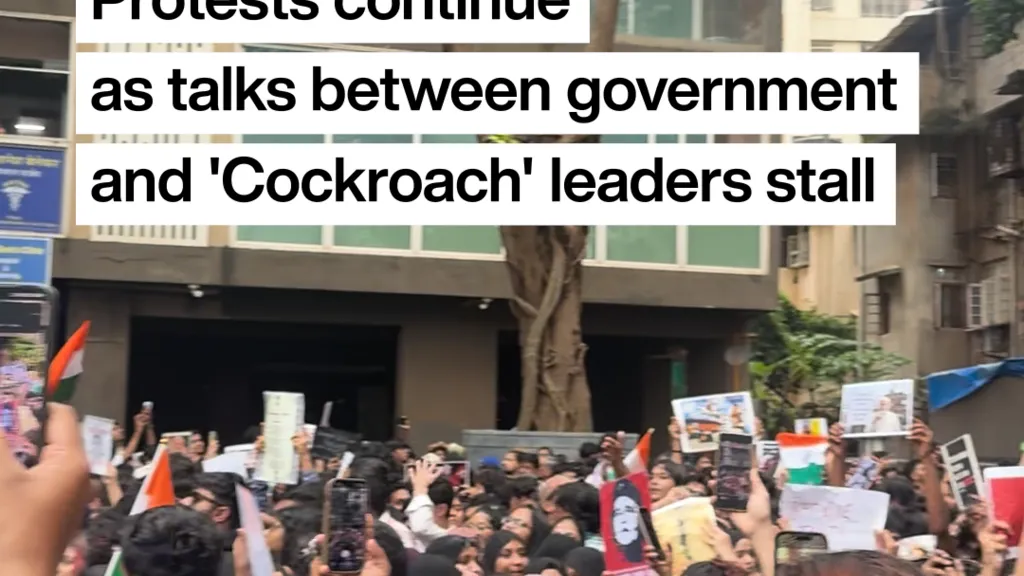
India is facing growing protests after the Cockroach Janta Party said a second round of talks with the government stalled. The unrest keeps pressure on Education Minister Dharmendra Pradhan following an exam paper leak, with wider risks for governance and policy trust.
Protests in India are still growing after the Cockroach Janta Party said there was no breakthrough in a second round of talks with the government. That matters because when political negotiations do not produce progress, public anger does not automatically cool down. It often hardens into something more durable: sustained demonstrations, widening grievances, and increased scrutiny of the officials at the center of the controversy.
The immediate focus for demonstrators is the education minister, Dharmendra Pradhan, and their demand that he resign after an exam paper leak. France 24 reports that protesters are continuing to push for Pradhan’s resignation, even as the party says talks did not move the needle. This is the core dynamic decision-makers should understand: the government can announce or run negotiations, but public accountability is being enforced on the ground, through continued street pressure.
Why are these protests still expanding? Start with the trigger. Exam paper leaks hit education markets and public trust in a very direct way. For students and families, the exams are the gateway to future opportunities. When the integrity of an exam is questioned, the perceived fairness of admissions, scholarships, and career pathways comes under stress at once. In that environment, demonstrators do not treat the leak as a narrow technical incident. They treat it as a governance failure that should have consequences, and resignation becomes the visible symbol of accountability.
Now add the negotiation layer. The Cockroach Janta Party claims the second round of talks with the government did not produce a breakthrough. Even without details of what was discussed, the signal is still clear: there was enough alignment to hold a second round, but not enough to resolve the central dispute. That kind of stalled mediation can become politically costly for the side that is trying to calm the public. It can also create a vacuum where other issues begin to surface, because demonstrators keep their movement alive by finding additional reasons to stay mobilized.
France 24 also points to this second-order effect. The report notes that demonstrators are demanding Pradhan’s resignation over the leak, but “other issues” are coming to light as one of the protesters told the outlet. The key word there is “other.” When new allegations or grievances enter the conversation while the primary demand is unresolved, the pressure does not remain contained. Movements can broaden their target list, raise the intensity of calls for action, and make it harder for authorities to restore calm with a single fix.
For executives and board members thinking beyond the politics, this is a reminder of how rapidly reputational risk can spill into operational risk. Governments manage public trust through systems: exams, admissions processes, regulators, and complaint channels. If a leak undermines confidence in those systems, the damage can extend to participation, compliance, and legitimacy. Even private education providers and test-adjacent services can feel downstream effects, because students and institutions reassess which processes feel credible. In the short term, that can show up as disruptions, delays, and heightened demands for transparency. In the longer term, it can influence the political appetite for reforms and oversight.
For decision-makers inside government or any organization that interacts with public-facing regulatory processes, the protests underscore a hard governance rule: timing matters. Negotiations that do not deliver visible outcomes quickly can be interpreted as delay. And delay can be more inflammatory than anger about the original trigger, because it suggests accountability is negotiable rather than inevitable. When demonstrators continue to press for Dharmendra Pradhan’s resignation, and when reports indicate additional issues are emerging, the government’s challenge is not just addressing the leak. It is preserving the legitimacy of the process that handled it, and the process that manages similar risks going forward.
The strategic stakes are simple. If protests keep growing while talks stall, the political cost rises for whoever is seen as responsible for the integrity of the education system. That includes the education ministry leadership, but it can also extend to broader oversight structures tied to examination governance. For peers across regulated sectors, the lesson is transferable: when public trust is the product, unresolved disputes do not stay contained. They become a persistent risk that can reshape policy, enforcement priorities, and the credibility of institutions long after the initial incident.
This story's Key Insights and Take-aways are locked.
Create a free account to unlock Executive Actions for one credit.
Register to UnlockAlways free for Executives Club members. Join the Club
More in Politics
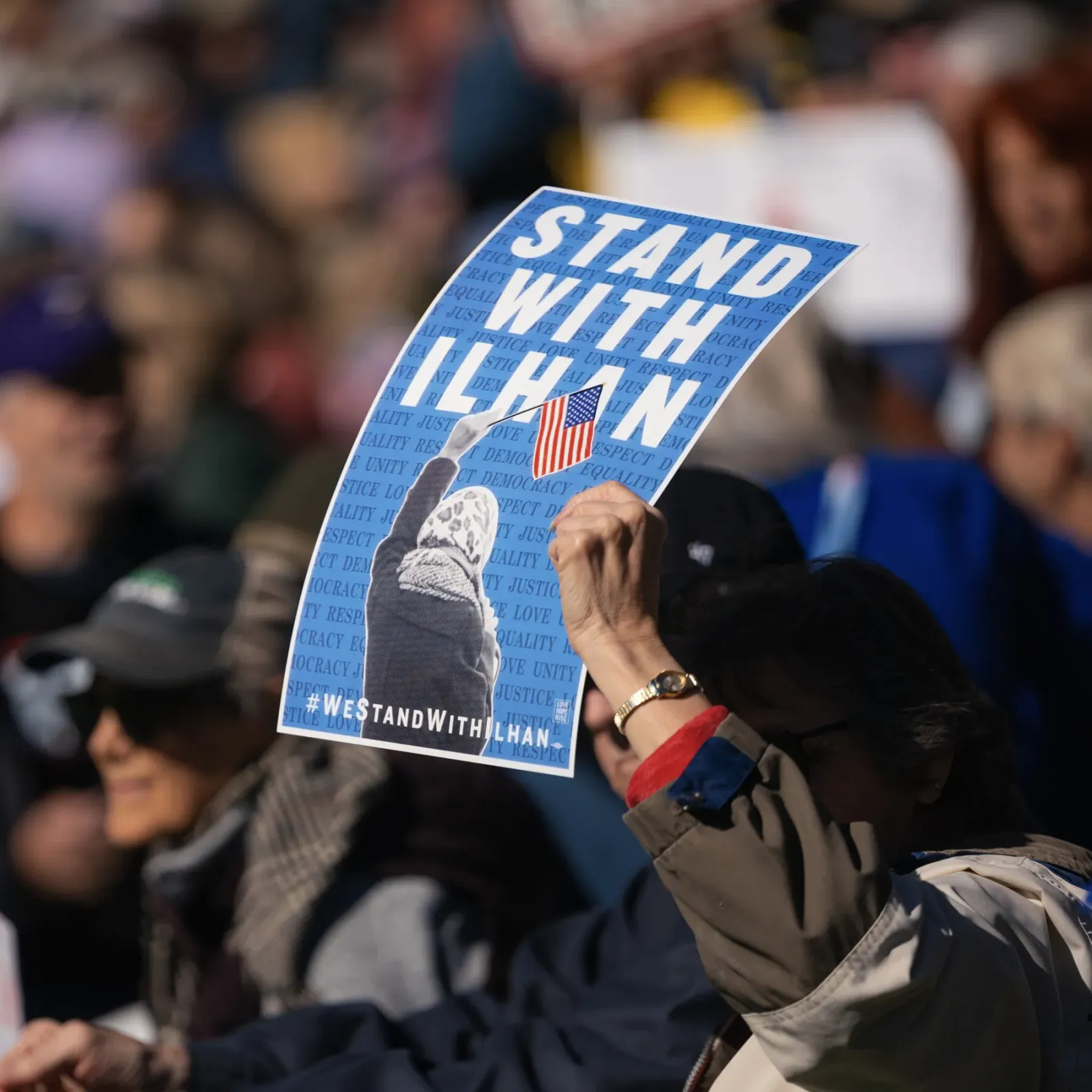
Obama Defends Ilhan Omar After Agents Search Her Home in Trump Inquiry
The former president's intervention raises the stakes in a federal probe into immigration paperwork that has put a prominent progressive lawmaker in the crosshairs.

Blair-era minister: cut welfare to fund youth job support
Alan Milburn's call for welfare cuts to fund employment support opens a Labour fight over benefits and the Neet crisis.
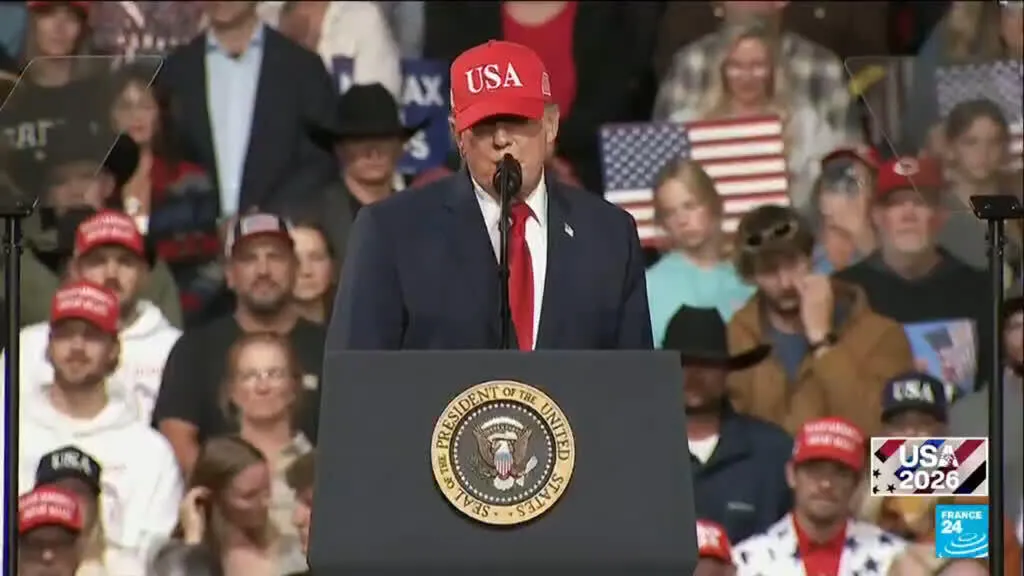
Hot September CPI: energy costs surge, voters feel the squeeze before midterms
The latest inflation print lands as Trump campaigns for GOP control of Congress, putting cost-of-living worries at the center of the midterm fight.