
India's 'Cockroach' protest spreads from exam leaks to jobs anger
A satirical movement is mutating into a broader youth reckoning, pressuring policymakers on education and employment.
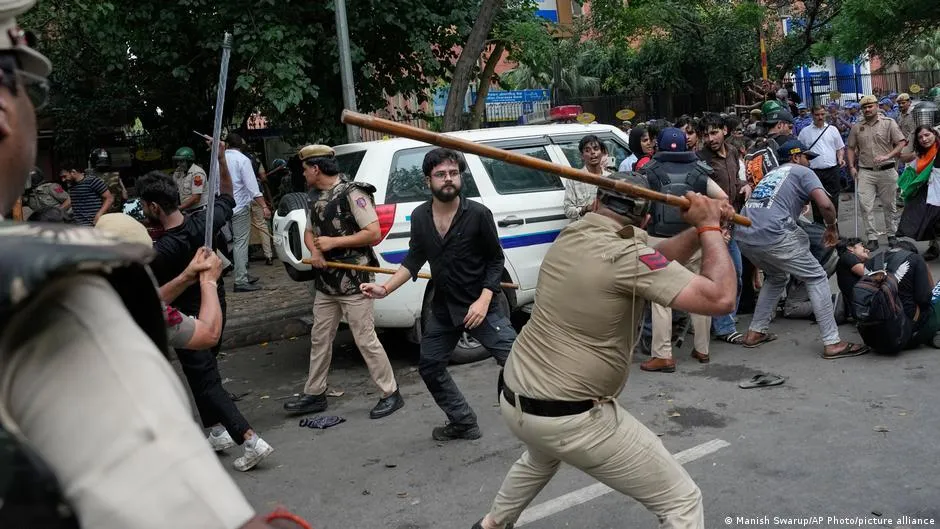
India's 'Cockroach' movement began as satire targeting exam leaks and has expanded into a wider protest. For decision-makers, it signals rising political and economic risk from youth frustration over jobs and education.
India's so-called 'Cockroach' movement started as a satirical protest against exam leaks, and it has since grown into something bigger: a wider wave of anger voiced by young Indians about jobs and education. The shift matters because it reframes a problem that was easy to treat as a niche governance failure, exam integrity, into a broader legitimacy challenge about opportunity, fairness, and future prospects.
At the beginning, the target was specific. Exam leaks are the kind of issue that triggers immediate outrage because they imply an uneven playing field for students trying to climb through a credentials-based system. But as the movement grew, the satire stopped being only about cheating. It became a vessel for a wider grievance: young people feel squeezed between expectations and outcomes, and they are using public protest to say the system is not delivering. In other words, the emotional center of gravity moved from “this was unfair” to “this is not working.”
For executives and board members, youth protest is not just a cultural headline. It is a governance signal. Movements that start with rule-breaking (like exam leaks) quickly become votes on institutional credibility. When trust erodes, the consequences are second-order: policy gets more contested, implementation gets harder, and the cost of misalignment rises. Even if a specific agency fixes an exam leak, the deeper question the crowd is asking is whether education pathways reliably translate into jobs.
That leads to the most important business angle: incentives. Education systems, regulators, and testing bodies typically optimize for compliance and throughput. The incentives look clean on paper. Set standards, administer exams, ensure security, award credentials. The protest suggests the lived experience is messier. When young people believe the system is rigged, the social contract frays. And when they believe education does not lead to employment, the frustration shifts from resentment at individual wrongdoing to skepticism about the entire pipeline.
There is also a political economy angle. In many countries, youth dissatisfaction is a tinderbox because demographic momentum means the number of people experiencing the problem keeps growing. In India’s case, the source describes a movement that has expanded beyond the original exam leak protest into a broader voice on jobs and education. That expansion is the tell. It means participants are not satisfied with a narrow fix. They are asking for outcomes.
Regulatory framing is where this can get tricky for policymakers, and where organizations that depend on stability should watch closely. Exam administration and education oversight often involve multiple layers: rules, enforcement, and institutions with different responsibilities. A satirical movement like 'Cockroach' changes how regulators get perceived. What starts as “we will tighten security” can turn into “you never fix the root causes.” That perception matters because it affects compliance, cooperation, and the credibility of enforcement, especially when youth are watching for evidence that promises translate into real life.
The second-order implication for business leaders is reputational and operational risk. If the youth narrative becomes dominant, it can spill into consumer sentiment, employer branding, and the political pressure applied to labor markets and education programs. When young people are angry about jobs, it can translate into higher scrutiny of hiring practices, more sensitivity to perceived nepotism, and stronger expectations that employers and regulators do more than pay lip service. In a country where credentialing drives access, public anger can also reshape how institutions are evaluated, even by people who are not currently in school.
Finally, there is a strategic stake that reaches beyond India’s borders. Career and education systems are under pressure globally, and many organizations rely on the stability of credentials and labor market pathways. A movement like 'Cockroach' shows a pattern worth studying: when the initial grievance is concrete, it can become a platform for broader demands. For executives and board members in sectors tied to education, employment, or public policy, the lesson is simple but uncomfortable. Treat governance failures and “youth frustration” as connected. If institutions cannot show fairness in how they select talent and reliability in how they generate jobs, trust will be the next thing that leaks.
This story's Key Insights and Take-aways are locked.
Create a free account to unlock Executive Actions for one credit.
Register to UnlockAlways free for Executives Club members. Join the Club
More in Politics

LA County: DOJ's 20,000 'noncitizen' voter list is 'unreliable,' includes U.S.-born
Preliminary review by Los Angeles County election officials finds errors in the federal list, raising the stakes for voter roll integrity ahead of November.

Trump's $1.5B Pentagon chip investment lands in North Carolina
A $1.5 billion defense infusion for North Carolina chipmaking signals a new era of Pentagon-backed reshoring - here's what it means for the industry.

Nigeria confirms first Ebola case in Abuja, a woman just off a Uganda flight
Health Minister Muhammad Ali Pate says the patient flew in from Uganda, putting Africa's latest outbreak on Nigeria's doorstep.