

India's cockroach protests hit BJP where it hurts, but won't spark a mass movement
A symbolic protest network is politically significant even if it fails to scale into nationwide mobilization.
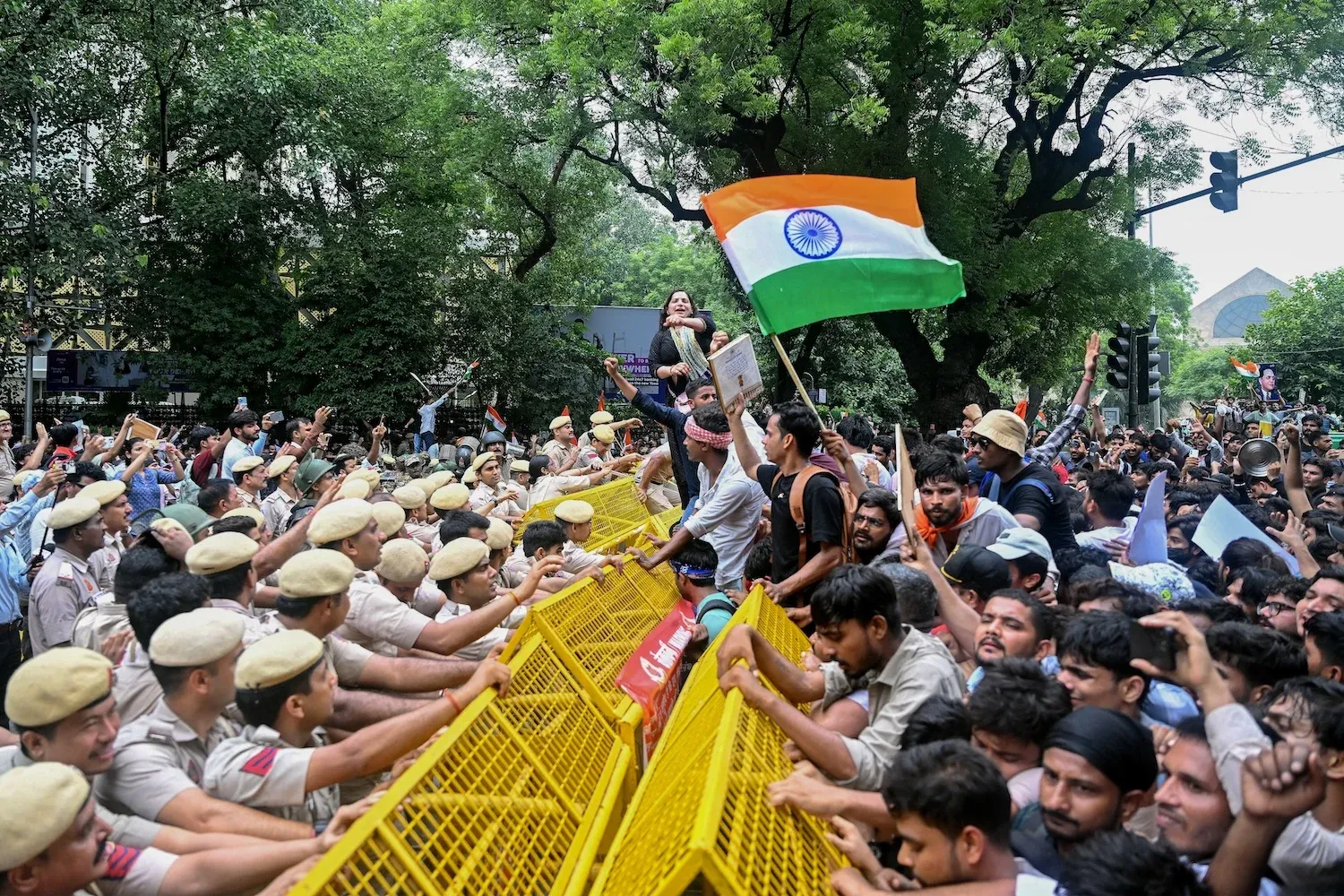
India’s “Cockroach Movement” protests are not expected to become mass mobilization. Still, they carry political significance for the BJP and anyone watching Indian electoral momentum.
India’s “Cockroach Movement” is pulling attention in a very specific way: it is unlikely to expand into mass mobilization, but it is still politically significant. That combination matters more than it sounds, because in electoral politics and public opinion, “not massive” does not mean “not consequential.” A protest that stays contained can still shift narratives, amplify scrutiny, and create pressure points that political parties cannot easily ignore.
The key point from the reporting is straightforward. These protests are not likely to turn into mass mobilization. However, the activity is politically significant, which means it can still influence how supporters, opponents, and the broader public interpret the BJP’s position and legitimacy. In other words: even if the movement does not snowball, it can still act like a pinprick that forces discomfort into the political bloodstream.
Why does scale matter less than you might think? Because political systems are rarely driven only by headcounts. They are driven by visibility, framing, and the ability to define what a moment is about. Small or medium-sized movements can still set the story agenda. If protests are persistent, well-known, or symbolically sharp, they can become shorthand for a wider dissatisfaction. That can affect fundraising, media coverage, coalition politics, and how decisively a party has to respond. Decision-makers often treat “mass” as the only kind of impact, but narrative battles do not require millions in the street to be won.
There is also a practical incentive problem for large parties like the BJP. Big-tent parties typically want to appear confident and in control. When protests remain limited, the party might be tempted to downplay them. But downplaying them too hard can backfire if the protests keep resurfacing or if sympathetic audiences interpret the reaction as evasion. The political calculus becomes a balancing act: acknowledge enough to avoid looking indifferent, without amplifying attention that could otherwise stay manageable.
For boards and senior executives tied to the political economy of India, these kinds of protests can still matter even when they are not massive. Public sentiment in a high-visibility political environment can change the risk profile around regulation, enforcement priorities, and the speed at which policy narratives become political commitments. That does not mean policy will instantly reverse. It means uncertainty can rise faster than expected, and uncertainty is expensive. Companies planning capex, market entry, or regulatory strategy may find themselves working with wider confidence intervals than they budget for.
There is a second-order effect that often gets missed: even contained protests can influence mainstream actors. Political parties are not the only stakeholders in the ecosystem. Civil society groups, local leaders, media outlets, and business communities all react to what seems politically salient. If protests are described as politically significant, even without mass mobilization, that signal can encourage other actors to pay attention, reassess their messaging, or adjust how they engage with the state.
The “cockroach” framing itself underscores how symbolic protest can travel. Symbolic labels can condense complex grievances into something memorable. That tends to accelerate information spread, because it is easier to repeat a metaphor than a policy argument. When a metaphor sticks, it creates a durable reference point for commentary and criticism. Again, that does not require mass participation. It requires resonance.
So what should decision-makers take from this? First, treat the headline metric, “not likely to become mass mobilization,” as a constraint on street-level disruption. Second, treat “politically significant” as a warning about narrative and agenda pressure. For executives and boards tracking political risk, the relevant question is not only how many people show up, but whether the protests change the story being told about legitimacy, governance, or public trust. That is the kind of second-order risk that can take time to measure, but still hit balance sheets through reputational spillover, regulatory uncertainty, and shifting stakeholder expectations.
This story's Key Insights and Take-aways are locked.
Create a free account to unlock Executive Actions for one credit.
Register to UnlockAlways free for Executives Club members. Join the Club
More in Politics
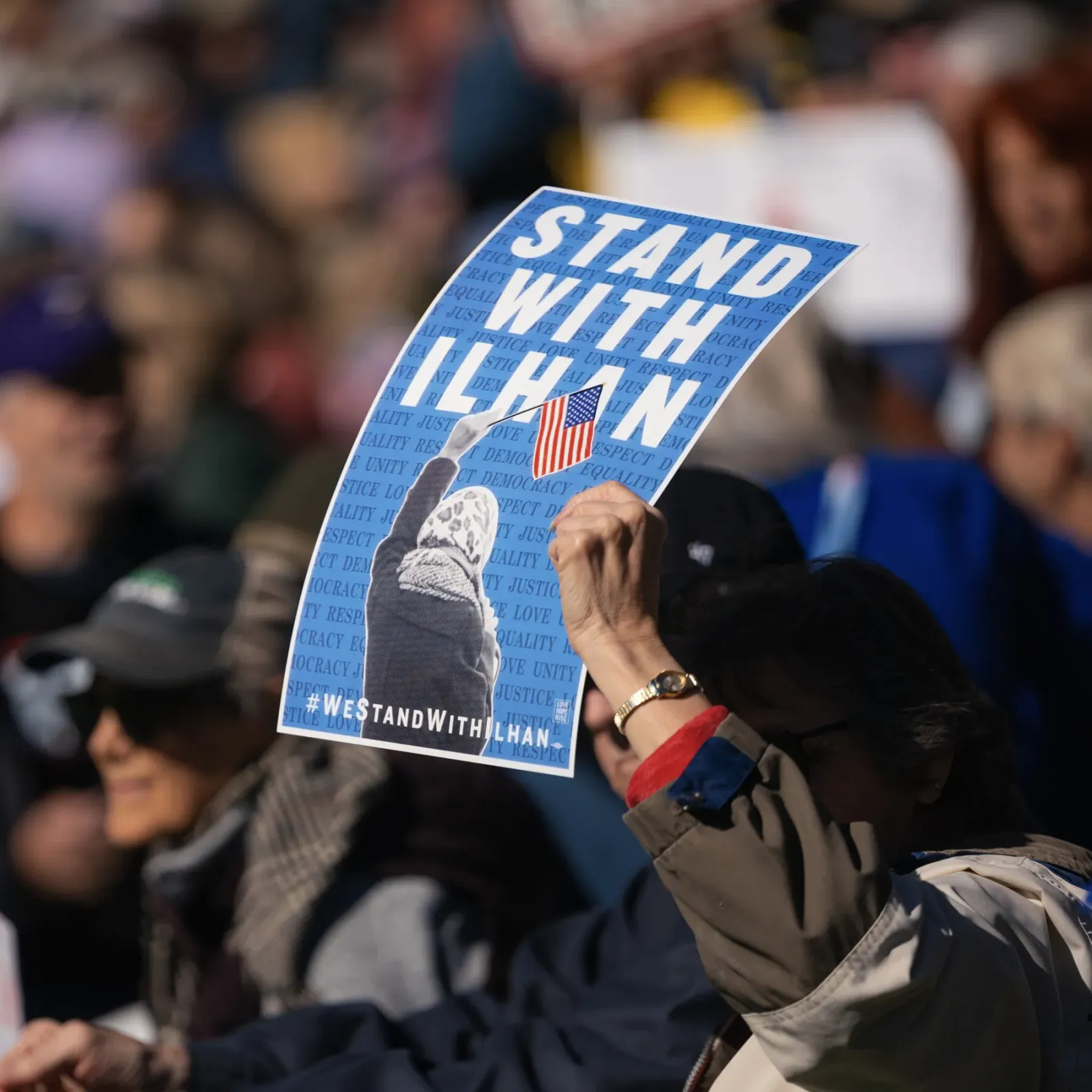
Obama Defends Ilhan Omar After Agents Search Her Home in Trump Inquiry
The former president's intervention raises the stakes in a federal probe into immigration paperwork that has put a prominent progressive lawmaker in the crosshairs.

Blair-era minister: cut welfare to fund youth job support
Alan Milburn's call for welfare cuts to fund employment support opens a Labour fight over benefits and the Neet crisis.
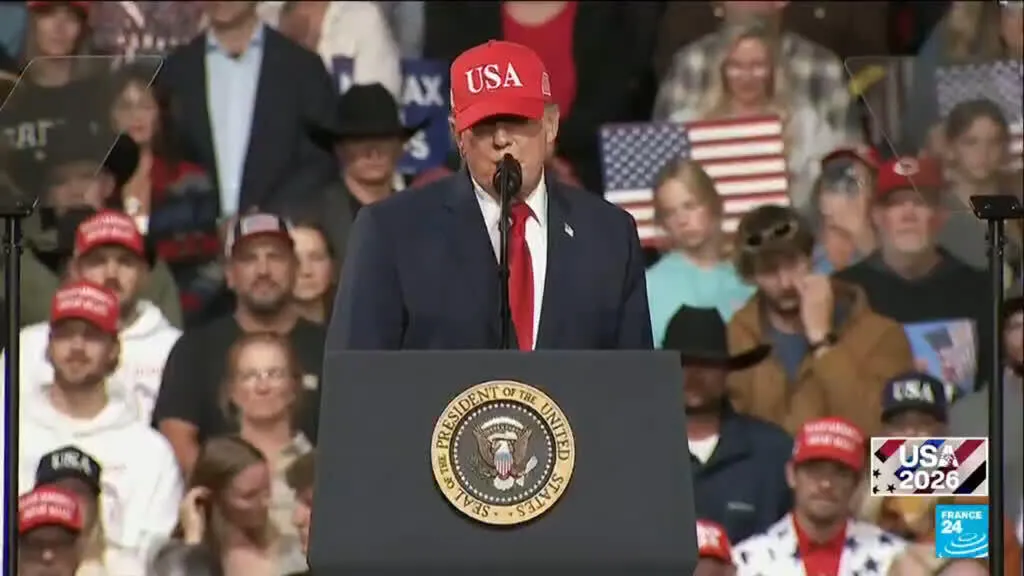
Hot September CPI: energy costs surge, voters feel the squeeze before midterms
The latest inflation print lands as Trump campaigns for GOP control of Congress, putting cost-of-living worries at the center of the midterm fight.