

IndyCar and iRacing lock in a new standalone video game for early 2027
The first IndyCar standalone game in nearly two decades is scheduled to hit before the 111th Indianapolis 500.
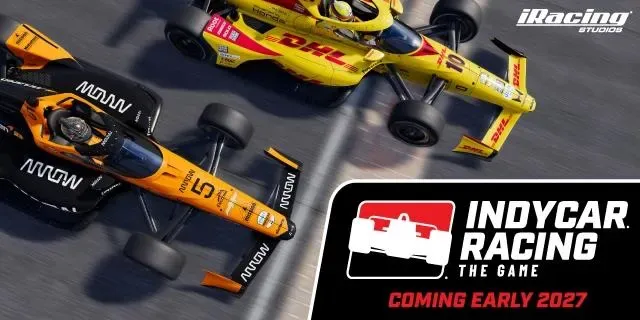
IndyCar and iRacing announced on July 10 that their first standalone IndyCar video game in nearly two decades will roll out in early 2027. For decision-makers, this sets a clear timing signal for how motorsports brands plan to monetize fans through interactive platforms ahead of Indy’s biggest annual event.
IndyCar and iRacing announced on July 10 that the sport’s first standalone video game in nearly two decades will roll out in early 2027, timed to land before the 111th Indianapolis 500. That date matters because Indy’s 500 is not just a race. It is an annual demand spike for attention, engagement, and brand spend across sponsors, media partners, and licensed merchandise. By anchoring the game’s rollout to that moment, IndyCar is effectively betting that fan momentum can be extended beyond the track, and that interactive experiences can become part of the seasonal business calendar.
For anyone who runs a team with a sponsor budget, a product calendar, or a media strategy, the “early 2027” window is the practical headline behind the headline. It answers the timing question: this is not a long-range vague plan. It is a planned release horizon that arrives before the 111th Indianapolis 500. That makes the game less like a side quest and more like a lever. It can support pre-500 marketing, help convert casual viewers into longer-term users, and create sponsor inventory that is aligned to a globally recognized event.
There is also a structural reason this announcement reads as more than a novelty. The source describes it as the first standalone IndyCar video game in nearly two decades, which implies a long stretch where fans either did not have a dedicated IndyCar-specific option or relied on adjacent racing ecosystems. In business terms, gaps in product presence usually create two outcomes. First, when the product returns, it can feel newly relevant, not incrementally different. Second, the competitive baseline shifts, because developers and platforms can now treat IndyCar as a fresh franchise opportunity rather than a historical footnote. The iRacing connection is key here, since iRacing is typically associated with a simulation-driven audience that values ongoing content and community-driven participation.
Why does iRacing matter beyond tech association? Because a simulation-first environment is a different commercial engine than a purely arcade-style game. In practice, simulation platforms tend to cultivate sustained engagement cycles, where users return for improvements, seasons, and competitive events. That tends to change how brands think about lifecycle value. A standalone IndyCar game released before the 111th Indianapolis 500 can be designed to capture not just one weekend of attention, but also the weeks and months where fans form habits, follow teams, and track performance.
This rollout decision also fits into the wider reality of sports media and licensing. Modern sports sponsorship increasingly seeks measurable reach across multiple channels, and games have become one of the more trackable ways to do that. Even when the direct metrics are not spelled out in the announcement, the timing strategy signals intent: align the interactive product launch with the strongest mainstream moment in the Indy calendar. If you are on a rights holder side, or you advise corporate partners, the question is always the same: can we convert peak attention into repeat exposure? A release scheduled for early 2027 suggests IndyCar wants an answer before the sport’s biggest spotlight cycle peaks again.
There is a second-order boardroom implication for any executive tracking partnerships. When a league or racing organization teams up with a tech platform and publicly ties a game launch to a specific marquee event, it creates coordination demands across internal stakeholders. Marketing teams need messaging alignment, partnerships need sponsor packaging, and media groups need launch-day coverage plans that do not fight the existing promotional calendar. The board-level risk is also more visible: if timing slips, the alignment with the 111th Indianapolis 500 can be compromised. But if timing holds, it can tighten the link between brand investment and a specific consumer moment.
Finally, look at how this announcement positions peers. It is not just that IndyCar is launching a game. It is doing it on a clear schedule, with iRacing as a partner, and with an explicit cultural anchor in the 111th Indianapolis 500. That sets expectations for how other sports properties might structure their own interactive efforts. For executives across sports, gaming, and licensing, the operational lesson is that games are increasingly treated like seasonal products, not one-off releases. IndyCar’s July 10 announcement makes that clear by pointing to an early 2027 window that is designed to meet fans right when attention is at its highest.
This story's Key Insights and Take-aways are locked.
Create a free account to unlock Executive Actions for one credit.
Register to UnlockAlways free for Executives Club members. Join the Club
More in Business
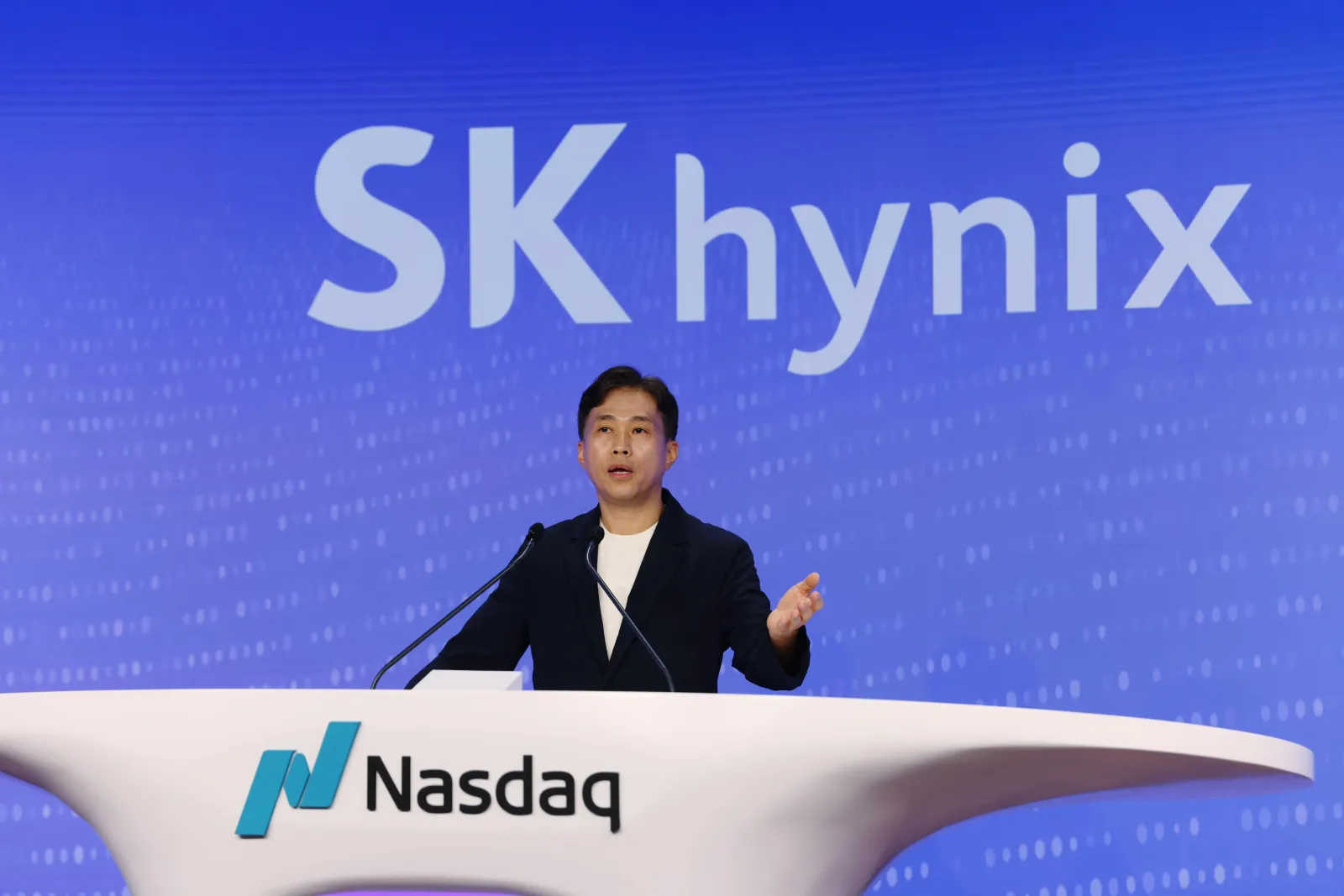
SK Hynix opens at $170, raises $26.5B, and tops foreign IPO records
In Friday's Wall Street debut, SK Hynix turns AI RAM demand into a $26.5B fundraising moment that rewrites comps.

China lands a reusable Long March booster, a first that matches SpaceX and Blue Origin
A barge landing and net-based recovery move China from theory to proof, reshaping the reusability race and satellite ambitions.

AstraZeneca $27B wipeout as Wainua late trial misses cardiovascular target
A failed late-stage heart study triggered a swift market punishment, forcing investors and boards to reset timelines and risk.