

Inside the talks that could save David Ellison's $111B Paramount deal
The media mogul is negotiating with a state coalition to keep one of the largest entertainment mergers alive.

David Ellison, the media mogul behind the $111 billion deal, entered settlement talks with a coalition of states suing to block the transaction. The outcome will determine whether he closes one of the biggest media consolidations in history, reshaping Paramount and setting a regulatory precedent for the industry.
The $111 billion deal that has dominated boardroom chatter now hinges on a quiet negotiation. David Ellison, the media mogul behind the transaction, is huddled with a coalition of states seeking to block it, according to people familiar with the settlement talks. The stakes could not be higher: if Ellison reaches an agreement, he takes control of Paramount and closes one of the largest media mergers of the streaming era. If the talks collapse, the fight moves to a courtroom, where antitrust cases can drag on for years and kill deals outright.
The number that makes this deal extraordinary is $111 billion. That valuation places the transaction alongside the biggest combinations in entertainment history, comparable only to the megamergers that created today's streaming giants. The coalition of states argues the deal would harm competition, likely by concentrating too much content and distribution power in a single company. Ellison's team is working to answer those concerns with proposals designed to preserve the deal's strategic logic while giving regulators confidence that consumers will not pay the price.
Settlement talks in antitrust cases typically follow a familiar playbook. The acquiring company offers concessions such as selling off overlapping assets, licensing content on neutral terms, or committing to behavior rules for a set number of years. For Ellison, the acceptable floor is probably anything that keeps the core rationale intact: combining Paramount's sprawling film and television library with his technology-driven media operation. The states, meanwhile, are looking for enforceable commitments they can point to as proof that the deal does not create a market behemoth.
The broader context is a media industry in the middle of a brutal consolidation wave. Companies are merging to gain scale against deep-pocketed rivals like Netflix, Amazon, and YouTube, which dominate streaming through huge content budgets and global distribution. Paramount, with its storied film and television libraryhare and a legacy broadcast network, has struggled to compete as a standalone streamer. Ellison's proposed deal is designed to give it the financial firepower and digital sophistication needed to stay relevant, but the regulatory backlash shows how contentious that strategy has become.
A successful settlement would not just rescue a single deal; it could reshape how state attorneys general approach media mergers. In recent years, state officials have become more aggressive in joining federal antitrust reviews, often pushing for stricter remedies than federal agencies accept. If Ellison secures a settlement, it will signal to other media executives that state concerns can be managed with early engagement and targeted concessions. If he fails, it will warn everyone that multistate coalitions are a real weapon against even the most well-financed takeover.
For executives watching from the sidelines, the lesson is already clear: antitrust risk is no longer just about Washington. State-level scrutiny now arrives early, and it can unravel months of deal-making in a single lawsuit. Management teams should map the competitive overlaps their transactions will create, understand which states are likely to object, and have a concession strategy in hand before the initial announcement. Waiting until a lawsuit is filed invites a hostage negotiation, and this case shows how costly that can be.
The entertainment industry is also watching because the outcome will set the competitive landscape for the next decade. Every major studio is thinking about scale, and the willingness of regulators to approve big combinations will determine who can play in the global streaming game. If Ellison crosses the finish line, he becomes the rare mogul to complete a $111 billion transaction against regulatory headwinds, and rivals will immediately study how he did it.
For now, the settlement talks are the main event. A resolution could come together quickly, with Ellison offering just enough to satisfy the states while keeping his strategic vision intact. Or the talks could collapse, sending the deal into a courtroom battle that tests the limits of antitrust law in the digital media age. Either way, the industry is holding its breath, because the verdict will ripple far beyond Paramount and David Ellison.
This story's Key Insights and Take-aways are locked.
Create a free account to unlock Executive Actions for one credit.
Register to UnlockAlways free for Executives Club members. Join the Club
More in Business

Royal Caribbean just spent $3B to own half of Sandals
The cruise giant is buying a 50% stake in the all-inclusive resort chain for $3 billion, a bet that land-based vacations are the next growth engine.

Paramount's Ellison: Merger Clearance Done, WBD Deal by Oct 1
David Ellison says the Paramount-WBD merger has full clearance after settling with state AGs, clearing the path for an October 1 close.
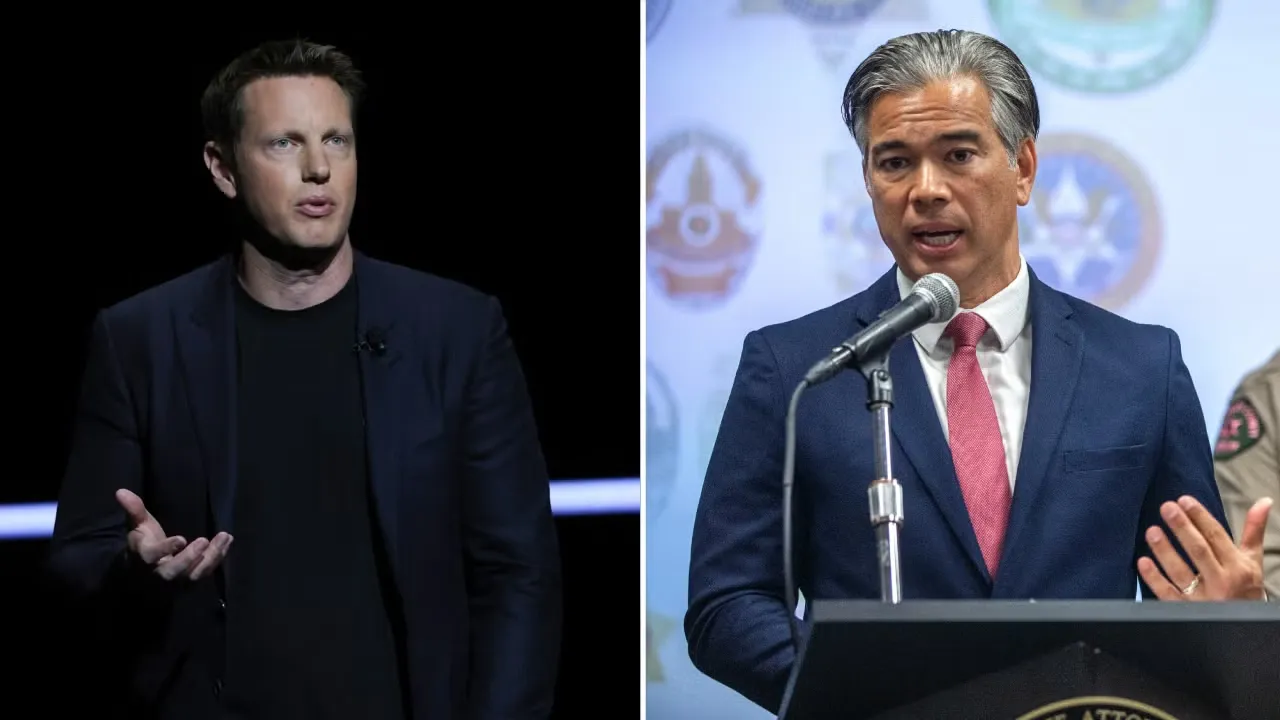
Paramount settles with 12 states, $110B Warner merger clears final hurdle
David Ellison's studio avoids a March trial and a $7M-a-day ticking fee by settling with state AGs over local job losses.