

Insilico's fibrosis drug tied to 3-year drop in biological age
Early trial data suggests aging itself may be treatable, raising stakes for pharma, insurers, and Asia's health systems.
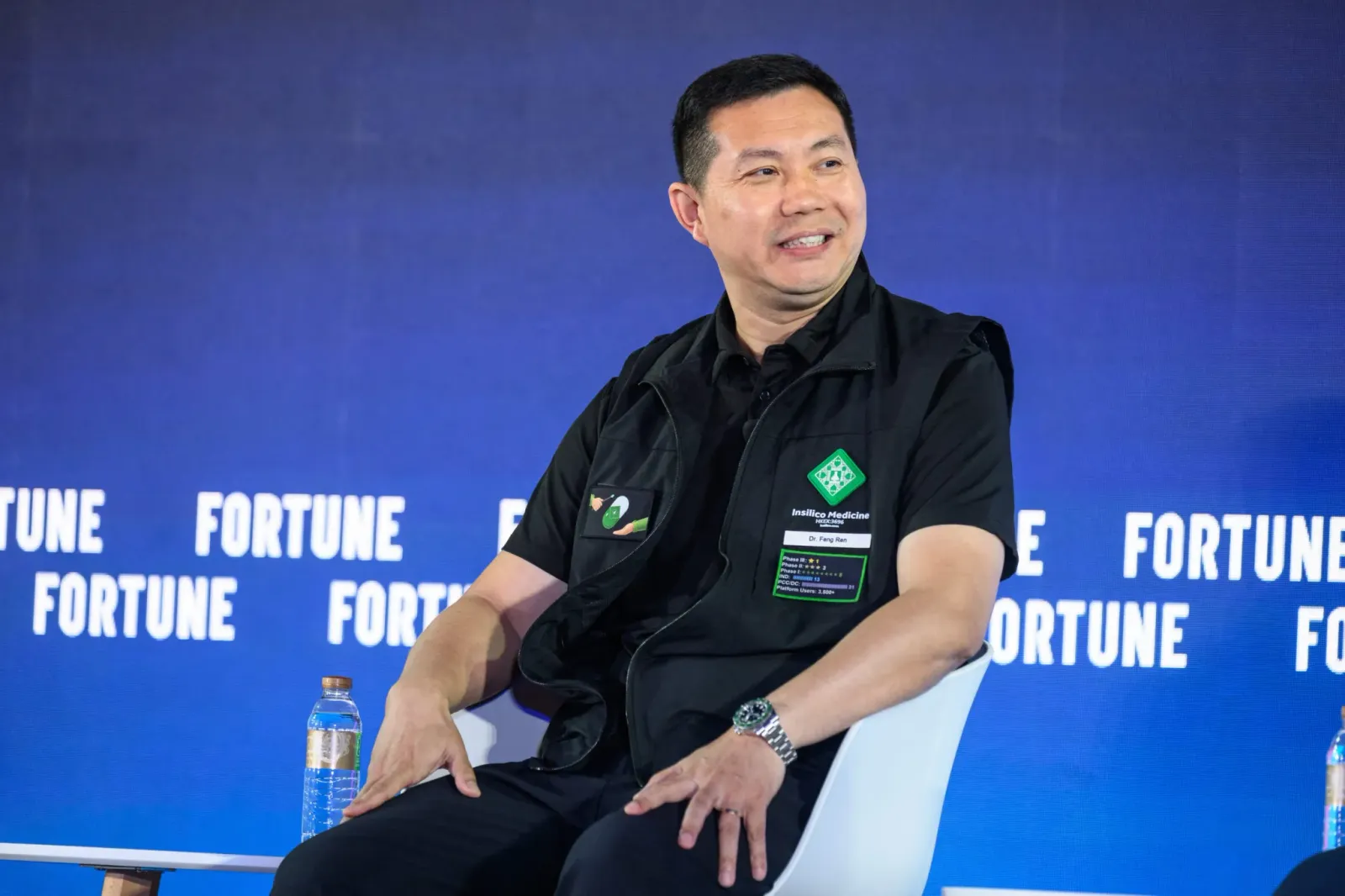
Feng Ren, co-CEO of AI drug discovery startup Insilico Medicine, announced trial data showing patients' predicted biological age fell by roughly three years on average. The result strengthens the case for targeting aging itself, a strategy that could reshape drug development and healthcare costs across Asia.
A small trial of an experimental fibrosis drug produced a striking side effect: patients' predicted biological age fell by roughly three years on average, and by up to six years on one measure. The data, released Sept. 7 by AI drug discovery startup Insilico Medicine, is early evidence that aging itself might be a treatable target, not just the diseases that come with it.
Feng Ren, Insilico's co-CEO and head of drug research and development, put it directly: "We might have a chance to stop biological aging." Investors took note, sending shares up 11% since the announcement. The claim is bold, but it lands at a moment when healthcare leaders are openly wrestling with the cost of a much longer-lived population.
At the Fortune Leaders Forum in Macau on Sept. 8, executives predicted children born today could see average life expectancy pass 100 within a generation. The bigger problem, they said, is paying for it. "The question is not the availability of all these new technologies. It's how we're going to make good medical care accessible to millions, and how we're going to make it affordable as we age," said Kelvin Loh, group chief healthcare officer at insurer AIA.
The math is stark. One in four people in Asia-Pacific will be over 60 by 2050, up from around one in seven now. That shift will pile more chronic conditions onto already strained healthcare systems. No wonder drugmakers are betting on a different approach: slow the underlying aging process, and the costly diseases that accompany it may arrive later, or not at all.
Loh, for his part, is more measured about the ultimate goal. "I'm very sure that we will extend life. We may not cure aging, but we are going to extend life. That is for sure," he said. He pointed to how far medicine has already come: "Cancer is no more a death sentence." Stage 4 lung cancer patients once given six months to live "can live for 10 years or more. It's becoming [a] chronic disease."
Several speakers zeroed in on "healthspan," the length of time people spend in good health, as the next target for the sector. "It's important that we don't live longer; we live healthier," said Keith Choy, president of Asia-Pacific at consumer health company Haleon. He noted that people spend roughly the last decade of their lives in poor health or with some kind of disability. That is a decade of lost productivity, higher care costs, and diminished quality of life.
Choy suggested the near future could look radically different. "Could you imagine after five or 10 years, or even shorter, maybe everyone...in China's 1.4 billion population, they can have a personal doctor." Wearable health technology and AI, he argued, could shift healthcare from reactive treatment to continuous, personalized prevention. Insilico's data, while early, offers a glimpse of that same trajectory: AI not just diagnosing disease, but designing drugs that target aging itself.
For executives across pharma, insurance, and consumer health, the implications are significant. If biological age can be measured and moved, clinical trials may need new endpoints, insurers may need new pricing models, and the line between treatment and prevention blurs. Insilico's results are a single, early data point, but they signal where the industry is heading: a race to make aging itself a treatable condition. The winners won't just extend life; they'll reshape the economics of healthcare.
This story's Key Insights and Take-aways are locked.
Create a free account to unlock Executive Actions for one credit.
Register to UnlockAlways free for Executives Club members. Join the Club
More in Business

Royal Caribbean just spent $3B to own half of Sandals
The cruise giant is buying a 50% stake in the all-inclusive resort chain for $3 billion, a bet that land-based vacations are the next growth engine.

Paramount's Ellison: Merger Clearance Done, WBD Deal by Oct 1
David Ellison says the Paramount-WBD merger has full clearance after settling with state AGs, clearing the path for an October 1 close.
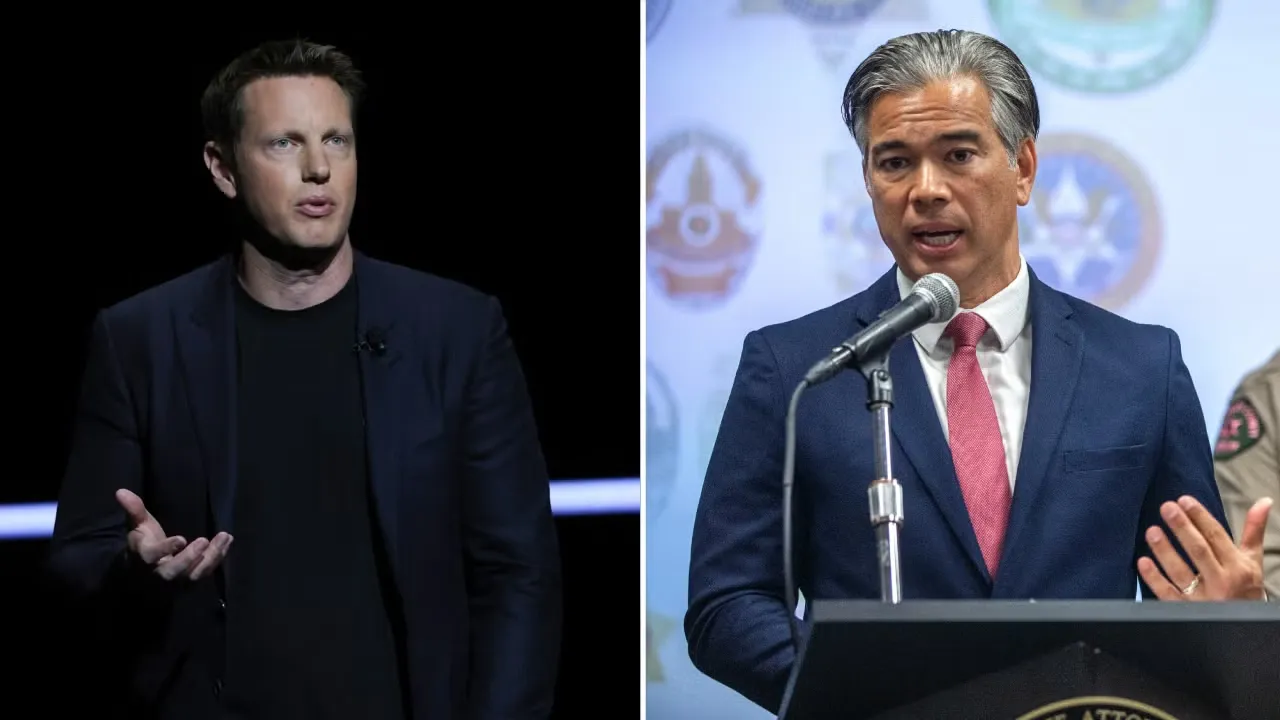
Paramount settles with 12 states, $110B Warner merger clears final hurdle
David Ellison's studio avoids a March trial and a $7M-a-day ticking fee by settling with state AGs over local job losses.