

Interior says D.C. height limits dont block federal projects for Trumps arch
A century of precedent is on the line, and a reviewing panel could rewrite how high the city can build.
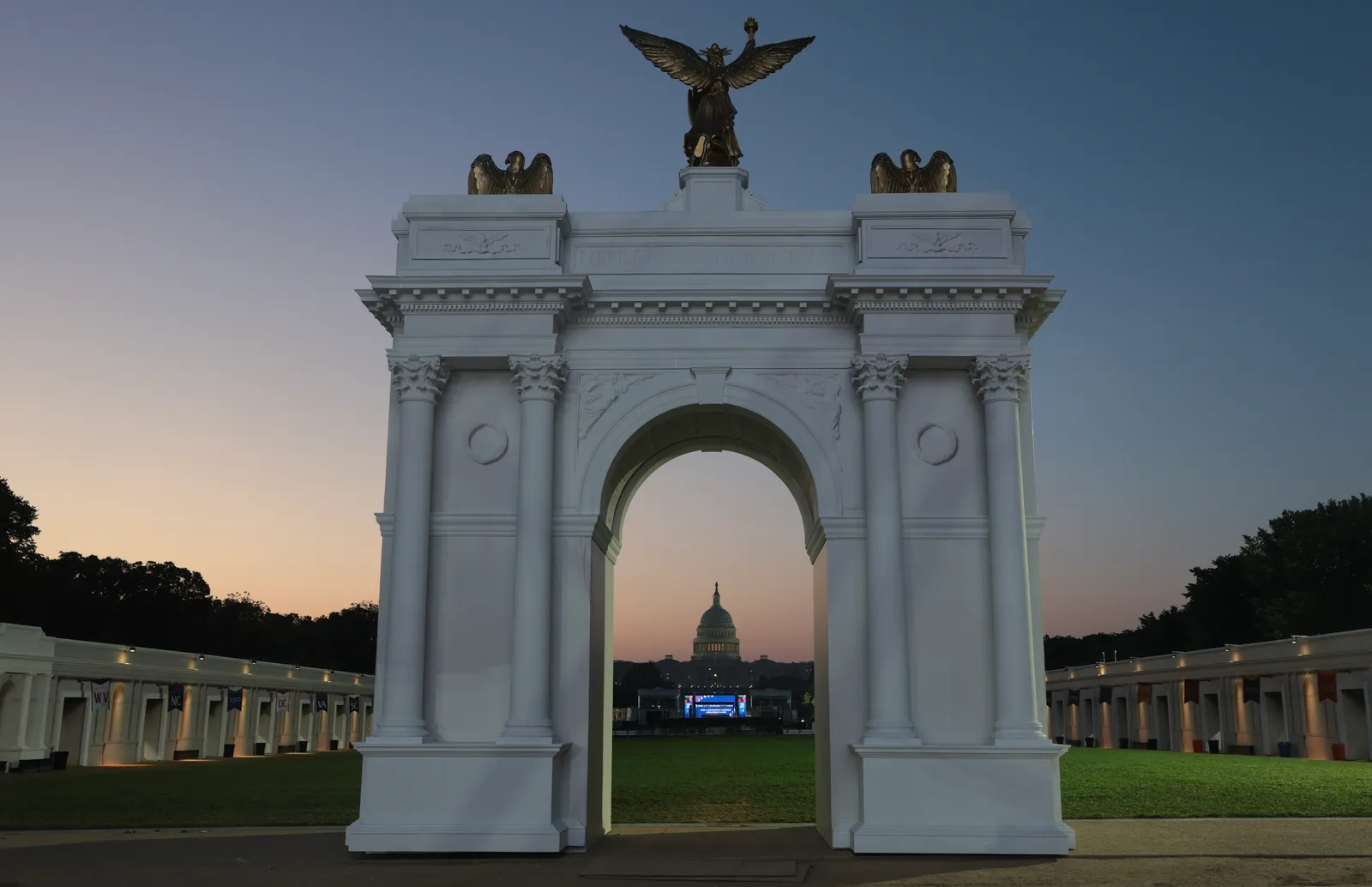
The Interior Department is arguing that D.C. height limits do not apply to federal projects tied to Trump’s arch. If a panel reviewing the arch agrees, the decision could reshape D.C.'s building rules for years.
Interior Department officials are arguing that D.C.'s height limits do not apply to federal projects. That position directly bucks a long-standing precedent, and NPR reports it could have outsized consequences if the panel reviewing Trump's arch agrees.
Here is the practical question at the center of this dispute: do D.C. height limits govern federal projects, or is the federal government carving out an exception? The Interior Department is effectively pushing the second answer, and experts cited in the report say that if the panel sides with that framing, it could change how the city develops.
To understand why this matters beyond one monument, you have to know what D.C. height limits are trying to do. The rules are designed to preserve sightlines, protect the visual character of the city, and prevent a lopsided urban skyline. In a normal regulatory conflict, height is a planning issue. Here, it's a boundary test: whether the same constraints apply when the project comes from the federal government rather than a private developer or local actor.
For decision-makers, that difference is not academic. When regulators treat federal projects differently, the incentives shift. Agencies and project sponsors can plan around the possibility that the usual constraints will not bind them. That can affect real estate assumptions, permitting timelines, and expectations about future zoning or approvals. In other words, even if this case starts with one arch, the precedent could influence how future projects are justified, structured, and accelerated.
There is also a governance dynamic to watch. Height rules usually reflect a negotiated balance among multiple layers of oversight: local planning goals, federal interests, and the specific standards applied during review. When the Interior Department takes a stance that height limits don't apply, it is not just changing one outcome, it is asking a reviewing panel to endorse a different legal interpretation of the rule set. That shifts the center of gravity from “how tall can it be” to “which authority controls when the project is federal.”
The NPR report frames the situation as an opening in a much older wall. The Interior Department's argument is described as bucking a century of precedent. That language matters because precedent is how regulators and developers predict risk. If that predictability breaks, it can ripple outward. Boards and executives typically care about predictable timelines because permitting risk can become budget risk, schedule risk, and investor confidence risk all at once.
So what happens if the panel agrees with the Interior Department? Experts quoted in the report say it could change the city. That is the second-order stake: a ruling can reclassify the universe of projects subject to height limits. If federal projects are exempt, federal agencies, allied entities, and their contractors may be able to propose structures that otherwise would require extensive negotiation. Meanwhile, local stakeholders might face a harder time securing the same skyline protections, because the regulatory leverage would be weaker where the federal government is the sponsor.
For companies that build, finance, or advise on urban infrastructure and major developments, the strategic takeaway is clear. Regulatory interpretations often outlast the specific project that triggered them. If a panel’s decision establishes a new baseline, your future underwriting and planning assumptions need to reflect it. Even if you are not directly involved in Trump's arch, this could change how executives evaluate the ceiling on height approvals and how boards assess whether regulatory risk is shrinking or migrating into a new category.
Finally, there is a communications and oversight angle. When a dispute involves federal authority and longstanding local rules, the politics are rarely contained. Expect attention to focus on the question of fairness and consistency: why should the same height limits apply to some projects but not others. Whatever the final outcome, the argument itself is a signal about how aggressively the federal side may seek exceptions in future cases.
This story's Key Insights and Take-aways are locked.
Create a free account to unlock Executive Actions for one credit.
Register to UnlockAlways free for Executives Club members. Join the Club
More in Politics

Glacial collapse, not rain, killed 180 in Nepal's Himalayan flood
The Himalaya's extreme geography hid the true cause of Nepal's catastrophic flood, a glacial collapse that turned a geological battleground into a mass-casualty zone.

Iran’s Esmail Baghaei says Oman talks start shipping via Hormuz, not US talks yet
Temporary route plans with Oman aim to restart commerce while Tehran says Washington dialogue is not on the table.

Standards watchdog opens probe into Reform UK deputy leader Richard Tice over interests
The parliamentary standards commissioner says it began an investigation on 28 July into a possible undeclared interest.