

North Korea vows bigger nukes and expands South-focused military intelligence
The state media message raises pressure on regional security planning and any sanctions or compliance posture tied to Pyongyang.

North Korea said it will strengthen its nuclear force
North Korea said it will strengthen its nuclear force "both in quality and quantity" and expand the role of its military intelligence agency focused on South Korea, state media reported Friday. In plain English: Pyongyang is signaling two simultaneous moves, more capability on the nuclear side and more reach on the intelligence side aimed at its rival across the border.
Why this matters right now is the combined direction of travel. Nuclear buildup alone already strains crisis-management systems and risk models for governments and firms operating in the region. But adding an expanded South-focused intelligence role changes the timeline for how threats may be detected, attributed, and responded to. Even if the exact operational details are not specified in the report, the intent is clear enough to drive policy attention and compliance decisions.
To understand the stakes, it helps to remember how nuclear and intelligence signals tend to work in international security. States rarely bundle messaging like this unless they want multiple levers moving at once. One lever is capability, the other is information advantage. If you are a decision-maker in Seoul, Tokyo, Washington, or Brussels, the effect is not just “watch the rockets.” It is also “prepare for disruptions,” whether that means hardening defenses, revising contingency plans, or tightening how your institutions share intelligence with allies.
For executives and boards, the second-order impact often shows up downstream, not on the front pages. North Korea-related developments typically feed into sanctions risk, export controls, and third-party due diligence expectations, especially for companies with complex supply chains, shipping exposure, or defense-adjacent customers. When state media ties nuclear “quality and quantity” to expanded military intelligence focused on South Korea, regulators and counterparties tend to treat it as a signal that geopolitical risk is not static. That can accelerate internal reviews, insurance re-pricing, supplier screening, and contracting changes, even without any immediate new law being passed.
There is also a regulatory reality to keep in mind. International enforcement around North Korea is often rules-heavy and process-heavy. Companies do not just ask, “Is this allowed?” They ask, “Will regulators see this as an elevated risk pattern?” And they ask whether existing controls are adequate if a state actor is explicitly expanding both nuclear posture and South-focused intelligence activity. In that world, messages from state media can carry weight because they help regulators justify why a risk baseline is shifting.
Another practical implication: the expansion of military intelligence focused on South Korea raises the chance of more incidents that blur the line between espionage, cyber operations, and conventional provocation. Those events can be hard for markets to price precisely in advance. The uncertainty itself becomes a cost. Firms planning operations, investments, or logistics in Northeast Asia often build buffers for “headline risk.” If Pyongyang is publicly aligning nuclear and intelligence objectives, planners may assume the buffer needs to stay larger for longer.
For leaders in neighboring countries, and for multinational teams advising them, the message is also a test of coordination. Intelligence expansion invites an intelligence-centric response, but nuclear buildup invites a diplomatic and military response. Aligning those lanes is notoriously difficult. It requires shared frameworks for communication in crises and shared assumptions about escalation. If those assumptions diverge, the result can be slower decisions or inconsistent messaging, which is exactly the kind of environment risk actors like North Korea try to create.
Bottom line: Friday’s state media statement makes a coordinated bet by North Korea: strengthen nuclear forces in both “quality and quantity,” while expanding the role of its military intelligence agency focused on South Korea. For executives, board members, and investors, the immediate takeaway is not panic. It is that risk controls tied to North Korea and regional security may need to be reassessed with the possibility that both capability and intelligence reach are being broadened at the same time.
This story's Key Insights and Take-aways are locked.
Create a free account to unlock Executive Actions for one credit.
Register to UnlockAlways free for Executives Club members. Join the Club
More in Politics

Glacial collapse, not rain, killed 180 in Nepal's Himalayan flood
The Himalaya's extreme geography hid the true cause of Nepal's catastrophic flood, a glacial collapse that turned a geological battleground into a mass-casualty zone.
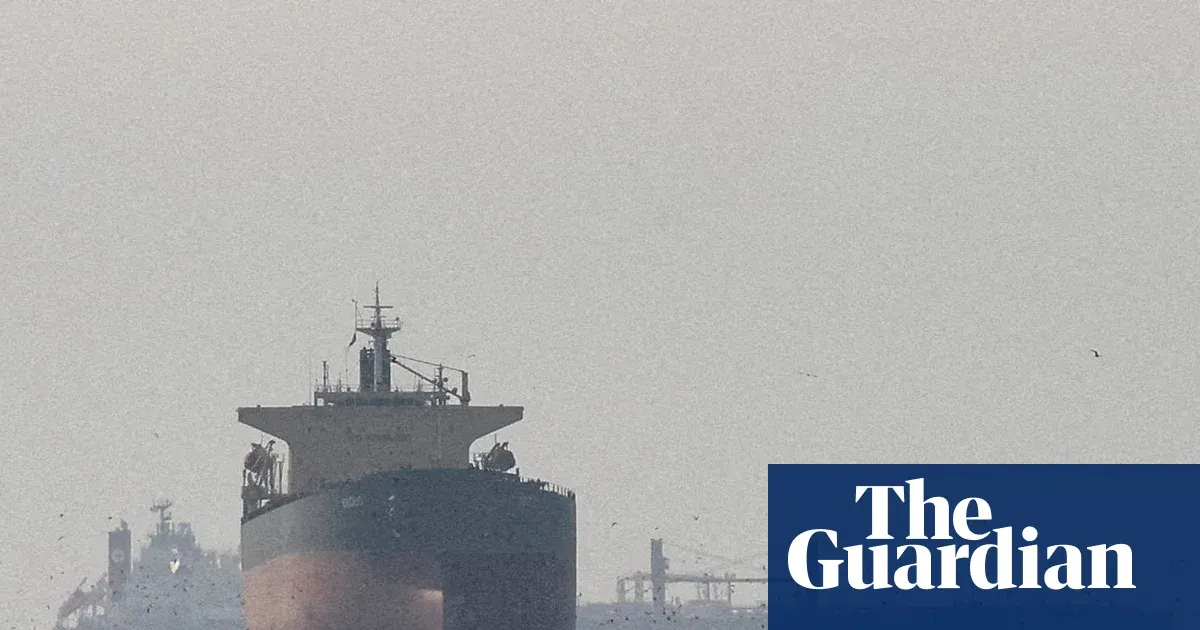
Iran’s Esmail Baghaei says Oman talks start shipping via Hormuz, not US talks yet
Temporary route plans with Oman aim to restart commerce while Tehran says Washington dialogue is not on the table.

Standards watchdog opens probe into Reform UK deputy leader Richard Tice over interests
The parliamentary standards commissioner says it began an investigation on 28 July into a possible undeclared interest.