

Ion Stoica’s SkyPilot raises $20M to orchestrate GPUs across any cloud, backed by Lux
A neutral GPU-orchestration layer aims to cut utilization waste and turn “where are my GPUs” into “how do we use them.”
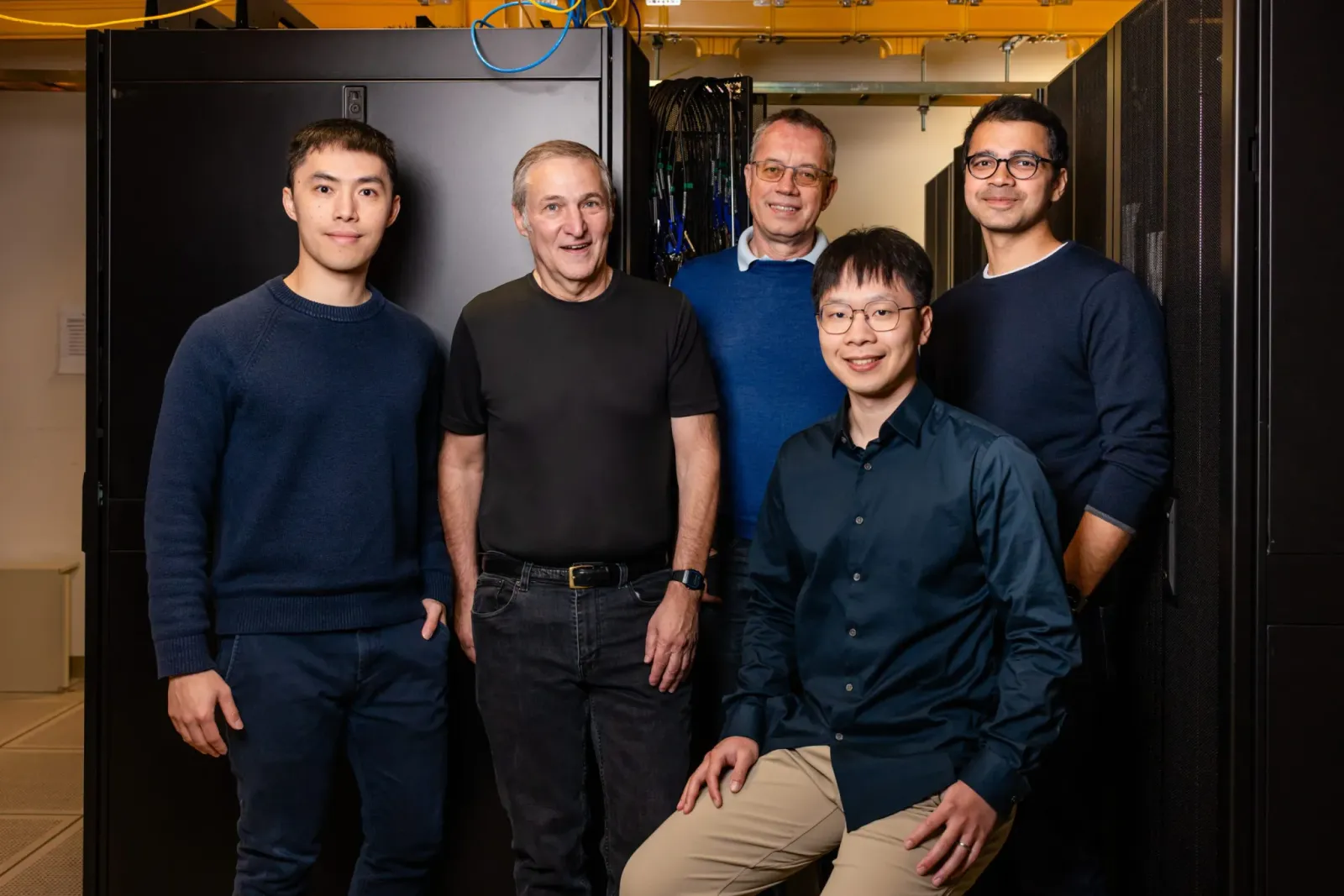
Databricks cofounder Ion Stoica and cofounder Zongheng Yang are launching SkyPilot with $20 million in seed funding led by Lux Capital. For decision-makers, it targets a concrete pain point in AI compute: moving beyond GPU hunting toward squeezing more out of GPUs companies already buy.
Ion Stoica, Databricks cofounder, is publicly launching SkyPilot today with $20 million in seed funding, with Lux Capital leading the round. The premise is deceptively simple: companies need GPUs, providers sell GPUs, switching between providers is painful and expensive, so SkyPilot helps customers use GPUs wherever they’re available. In other words, the pitch is “more compute, better compute, cheaper compute,” but the mechanism is GPU orchestration across clouds rather than a single vendor’s stack.
The immediate consequence is that the “AI compute problem” changes shape. Stoica points to the same underlying pain that earlier hit Databricks: expanding from one cloud to two took a year of engineering effort. He says AI made that kind of pain universal. Every AI lab, he argues, starts day one by calling five or ten cloud providers just to assemble enough GPUs, then still needs a way to use them together efficiently. SkyPilot is stepping into the middle of that workflow, turning a multi-provider procurement scramble into a system designed to coordinate usage.
The business argument, though, goes beyond procurement. SkyPilot’s CEO Zongheng Yang says the bigger opportunity is not hunting cheap compute, it is squeezing more out of the GPUs companies already own. Yang tells Fortune that if customers spend around $100 million per year on GPUs, SkyPilot frequently helps squeeze out more than 10% of utilization. That math is not abstract in his framing: more than 10% utilization improvement is presented as a potential $10 million in savings from efficiency alone.
This is where the story connects to a wider tension in the AI industry: can AI companies make money. Yang reframes it as less about bargain-basement GPU shopping and more about extracting value from the hardware already purchased. He also links SkyPilot’s thesis to what happened elsewhere in the AI software stack. Cursor’s margins were negative until it stopped renting Anthropic’s models and trained its own, a shift Yang calls “custom intelligence,” now made cheaper by open-weight models like GLM that rank near GPT and Claude on public leaderboards. The shared theme is economic leverage through control and utilization, not just access.
SkyPilot is not operating in a vacuum. The broader AI orchestration market, the source notes, is projected to grow from around $14 billion in 2026 to more than $60 billion by 2034. Nvidia bought Run:ai for roughly $700 million in 2024 to address a version of this problem, and it open-sourced Run:ai. That matters because it signals that orchestration is not a “nice-to-have” layer. It is becoming a budget line. When incumbents and well-funded startups chase the same category, boards should assume the competitive baseline rises fast and differentiation needs to be operational, not just technical.
SkyPilot’s differentiation pitch is neutrality. The source says SkyPilot does not answer to a single hardware or cloud vendor. It counts CoreWeave and Nebius among its integration partners rather than rivals. But neutrality comes with an obvious question: if the code has been sitting free on GitHub for years, what stops a customer from using it without paying? Lux’s Brandon Reeves, who backed the deal, addresses this directly in the source: he argues the risk is not that customers can copy it, because the free version is “probably like 1% of the way done,” meaning what is available does not resemble what is coming. The underlying implication for buyers is that “free now” may not translate to “complete system later,” especially once you need deeper features that support reliability and coordinated usage.
Reeves also points to something more structural than code. In his framing, SkyPilot’s bigger bet is intertwined with Ion Stoica himself. Stoica recruits top PhD students because his lab already produced Databricks and Anyscale, making the lab a magnet for even better students who then build the next thing worth funding. That is a real advantage in a category where model performance, infrastructure efficiency, and developer adoption can compound. It also means SkyPilot’s velocity will likely be tied to the research-to-product pipeline that powered earlier infrastructure winners.
For executives and boards considering similar investments or partnerships, the strategic stake is straightforward. The industry is shifting from “find enough GPUs” to “use GPUs efficiently across whatever procurement and capacity realities you face.” If SkyPilot’s utilization claims hold in practice, orchestration becomes a lever that can change unit economics quickly, especially for teams spending $100 million per year on GPUs. And if the market for AI orchestration grows as projected, neutral layers that can work across vendors will likely become standard procurement questions, not experimental projects. Tomorrow’s winners will not just secure compute. They will squeeze more output per dollar, and they will do it across clouds without rebuilding their entire engineering stack every time demand spikes or supply moves.
This story's Key Insights and Take-aways are locked.
Create a free account to unlock Executive Actions for one credit.
Register to UnlockAlways free for Executives Club members. Join the Club
More in Technology

Google quietly links your phone number to every Android account on your SIM
Adding a SIM now ties your phone number to all Google accounts - and future accounts inherit it. Here's the security and privacy stakes.

Hijacker AI 'Skynet mode' runs 100,000 attack steps against exposed models
Symantec caught a criminal AI agent that borrows other models, steals data, and mines crypto; the only relief is no confirmed victims yet.

Nvidia's AI-financier shift faces its first big test as neoclouds stumble
A rout in neocloud stocks is forcing investors to weigh Nvidia's hidden exposure as both supplier and lender to the AI buildout.