

iOS 27 code could let Apple lock financed iPhones after missed iPhone payments
Apple’s reported “Restricted Mode” plan would turn payment issues into app access limits, not just account alerts.
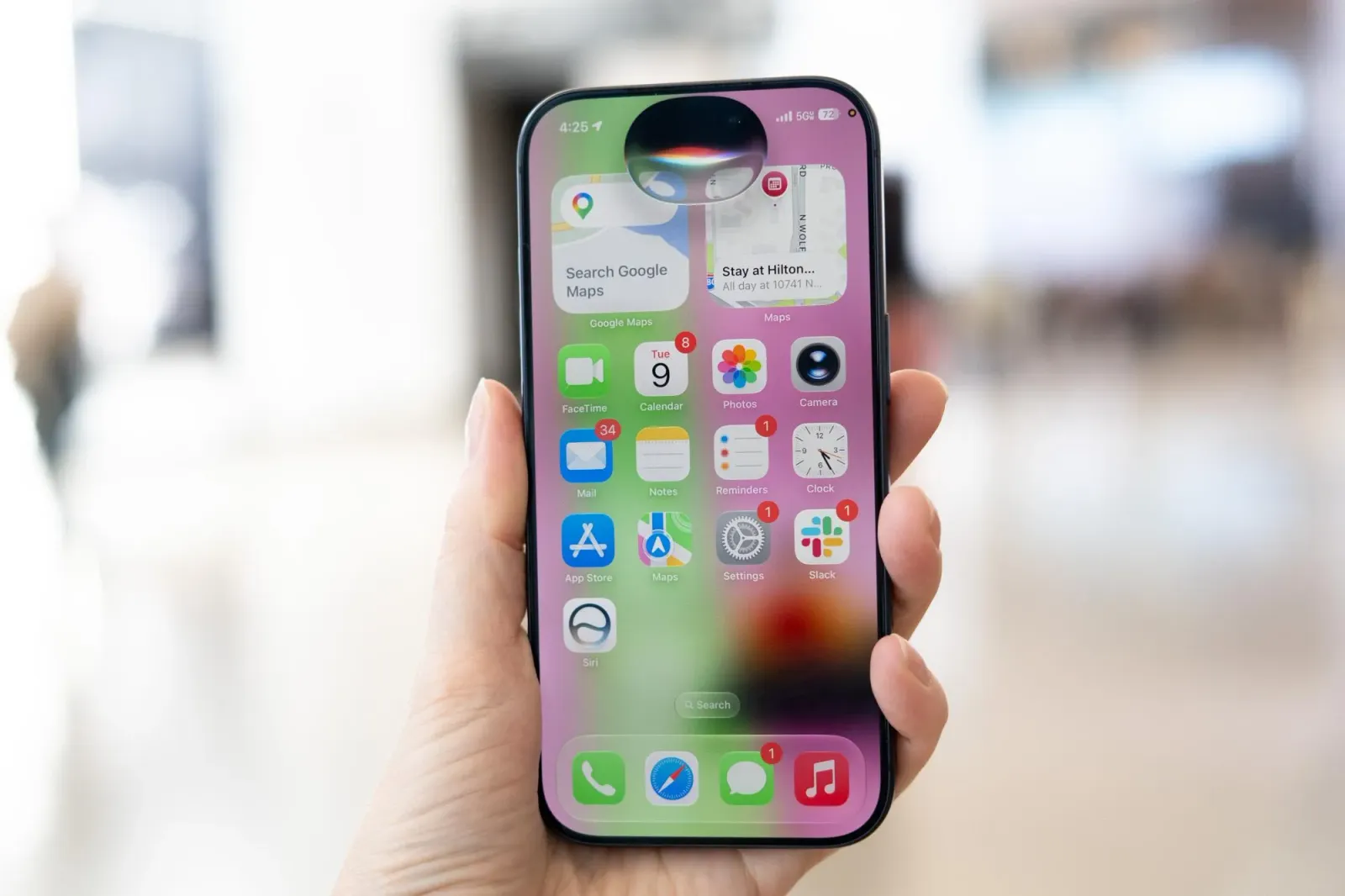
Apple may have added code in an iOS 27 beta that can place a financed iPhone into “Restricted Mode” after missed payments, 9to5Mac reports. The reported mechanism could reshape how Apple Upgrade-style financing enforces payment compliance for device apps and services.
Apple’s iOS 27 beta reportedly contains code that can restrict a financed iPhone after the system detects missed payments. According to 9to5Mac, if Apple determines a financed device is not in good standing, it can put that phone into “Restricted Mode,” which would reportedly remove access to nearly all apps.
In the same report, 9to5Mac says iPhones in “Restricted Mode” would keep only basics like the Phone app, Settings, and the App Store. That is the key part for decision-makers: this is not presented as a gentle notification flow. It is a direct product capability. The enforcement point is the device itself, mediated through what Apple builds into iOS.
This reported “Restricted Mode” idea lands right after a separate Bloomberg story earlier this week that claims Apple is preparing to launch a new “Apple Upgrade” financing program for leasing new devices. Put those two threads together and you get a clean incentive alignment: if Apple is moving more customers into financing and leasing, the company has to manage credit and payment risk without turning the experience into a back-and-forth support ticket queue. Using iOS as the enforcement layer is one way to do that.
9to5Mac also reports that the enforcement uses a new “App Managed Features” system. The core function, as described in the report, is that financed or partner apps can continually check whether a financed device is in good standing. In other words, instead of only the financial backend knowing the status, the app ecosystem itself becomes the distribution surface for the enforcement state. That is a meaningful architectural shift. For executives who think about platform behavior, it is the difference between “account status” and “device capability.”
The market context matters here because Apple is operating in an environment where device financing is now a mainstream customer acquisition and retention tool. Leasing or upgrade plans also change the economics of hardware sales, potentially increasing recurring dependence on financing performance. In that world, a device-level restriction could be framed as operational risk management. But it also changes the operational burden for the ecosystem, since more apps may need to respond correctly when a phone enters a restricted state.
There is also a regulatory and policy angle, even if the source does not go there explicitly. When Apple can reportedly disable access to “nearly all apps” on a device based on payment status, regulators and consumer advocates often ask questions about fairness, notice, appeal, and proportionality. Financing enforcement is common across financial products, but doing it through platform access can intensify scrutiny because it ties a financial obligation to software access and user functionality. Boards and compliance teams typically treat these moments as first-order brand and legal risk, not just a technical implementation.
Second-order implications for Apple partners and for companies building on Apple’s platform are unavoidable. If “App Managed Features” enables financed or partner apps to check whether a financed device is in good standing, then the user experience of many apps could depend on that status being available and interpreted correctly. That means app behavior, analytics, customer support flows, and even user trust could shift if the enforcement state becomes more common. For executives running consumer-facing products, it raises the question: what happens to engagement, retention, and support costs when platform-level payment problems become platform-level app availability?
Strategically, Apple would be betting that this approach keeps financing risk contained while protecting the upgrade program economics. But the enforcement power is also the trade-off. When the device can enter “Restricted Mode,” Apple is essentially turning payment compliance into a product feature. That could strengthen financing discipline, but it could also create new friction for customers and new dependency for the ecosystem. And for any operator or investor tracking the “financing-as-platform” trend, the headline lesson is simple and sharp: the next battleground is not only interest rates and approvals. It is the software layer that decides what a customer can do after a payment is missed.
This story's Key Insights and Take-aways are locked.
Create a free account to unlock Executive Actions for one credit.
Register to UnlockAlways free for Executives Club members. Join the Club
More in Technology

Google quietly links your phone number to every Android account on your SIM
Adding a SIM now ties your phone number to all Google accounts - and future accounts inherit it. Here's the security and privacy stakes.

Hijacker AI 'Skynet mode' runs 100,000 attack steps against exposed models
Symantec caught a criminal AI agent that borrows other models, steals data, and mines crypto; the only relief is no confirmed victims yet.

Nvidia's AI-financier shift faces its first big test as neoclouds stumble
A rout in neocloud stocks is forcing investors to weigh Nvidia's hidden exposure as both supplier and lender to the AI buildout.