
Iran closes Strait of Hormuz after “unauthorized” vessel hit, threatens “severe response”
The blockade is framed as enforcement, but the US and Oman are pushing for safe, toll-free passage anyway.
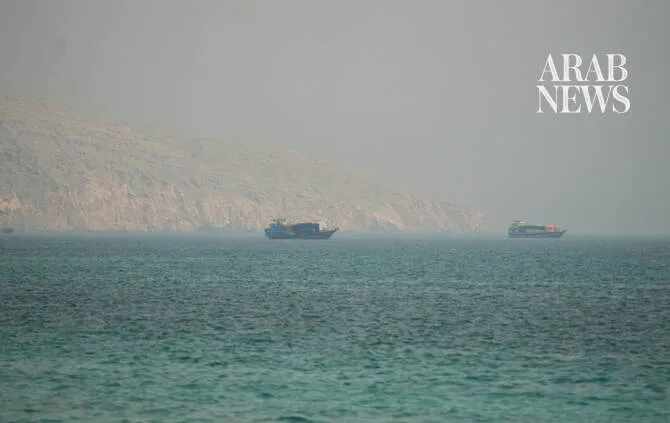
Iran’s Islamic Revolutionary Guard Corps Navy says it closed the Strait of Hormuz after a vessel traveled on an “unauthorized route” and was struck. The move raises immediate questions for decision-makers about shipping access, oil prices, and whether talks can hold.
Iran says it has closed the Strait of Hormuz after what it describes as a failed attempt by an “unauthorized” vessel to pass the waterway, then being struck. In a statement, the Navy of Iran’s Islamic Revolutionary Guard Corps said a vessel that “jeopardized maritime security by switching off its systems was struck and brought to a halt,” while giving no details about the ship.
The practical effect, according to Iran, is that the strait is closed “until further notice,” and tied to one specific condition: “the end of US interference in this region.” Iran adds that ships tried to move through the waterway on an “unauthorized route” and disregarded warnings to correct their course, and it warns that retaliation will be met with a “severe response.” If you are a company with exposure to Gulf shipping lanes or energy price volatility, this is not a distant diplomatic spat. It is a direct lever on the world’s most important chokepoint.
This closure lands in the middle of a messy negotiation landscape where the US is publicly demanding two things. Senior US officials told reporters on Friday that Washington wants Iran to state it will stop attacks on ships in the strait, and that all lanes will be open with no tolls through the waterway. US President Donald Trump, also speaking on Friday, said the US and Iran agreed to continue talks despite an escalation of hostilities this week, while also declaring an “end” to the ceasefire.
That tension matters because it means you have two parallel narratives colliding in real time: Iran is framing its actions as enforcement against maritime noncompliance, while the US is framing the goal as open lanes and predictable access without tolls. A senior Iranian source told Reuters that Iran, the US, Qatar and Pakistan agreed to negotiate in a call, with mediators trying to arrange it for Saturday while Iran’s Foreign Minister Abbas Araqchi was in Oman. It was not immediately clear whether the efforts were successful.
Iran’s own diplomatic messaging continues through Oman. Araqchi and Omani Foreign Minister Sayyid Badr Albusaidi met in Oman to exchange “views on appropriate mechanisms for the safe passage of ships through the Strait of Hormuz,” according to a statement from the Iranian foreign minister. Oman’s state news agency later said Omani and Iranian negotiators would continue talks “at the technical and political levels.” Oman is helping to mediate an end to a war that the source says has destabilized the Gulf and raised prices around the world since the US and Israel launched airstrikes on Iran on February 28.
In other words: there is mediation effort, but Iran is also asserting control of the chokepoint right now. And for executives, that combination is exactly what makes risk modeling hard. You can have talks and still see chokepoints tightened, rerouting costs spike, and schedules break. The source reminds us why this is so sensitive: about a fifth of the world’s oil supply transited through the Strait of Hormuz before the war. Iran’s effective blockade of the waterway has already caused energy prices to surge, feeding global inflation.
There is also a specific proposal shaping the discussion. CNN reported on Saturday that Oman made a draft proposal for the strait, including free navigation through its southern corridor in Omani territorial waters. The plan called for vessels transiting the northern corridor through Iranian territorial waters to obtain prior approval from Iran, although no tolls would be imposed, CNN said. The White House and State Department did not immediately respond to requests for comment on the CNN report. For boards and CFOs, the difference between “prior approval” and “freedom of navigation” is not a legal footnote. It affects insurance terms, compliance processes, and whether contracts assume smooth passage.
The immediate flare-up was preceded by ship attacks earlier in the week. The source says three Qatari and Saudi commercial tankers came under fire earlier in the week, prompting the US to hit Iranian sites, and Iran to respond with strikes on US military sites in Gulf states. Araqchi accused the United States of violating the ceasefire agreement; the US revoked the license authorizing the sale of Iranian crude on Tuesday after the vessels were hit. Araqchi wrote on X on Friday: “There can only be mutual compliance.” While Iran has not claimed responsibility for the ship attacks, analysts say Tehran uses such actions to gain leverage in negotiations. That backdrop makes Iran’s “closed until further notice” statement feel less like a one-off warning and more like a negotiating posture backed by operational control.
This is the part where executives should pay attention to the second-order implications: the energy and shipping story is now fused to domestic political and escalation messaging. The source says the flare-up cast further doubt over the future of an interim agreement aimed at ending the conflict and pushed oil prices higher, a politically sensitive issue for Trump ahead of November congressional elections. Trump posted on his Truth Social platform on Friday that the US agreed to continue talks, but that the ceasefire is over: “The Cease Fire is OVER!” Separately, Iran’s new supreme leader Ayatollah Mojtaba Khamenei issued a written statement threatening vengeance for the death of his predecessor and father, who was killed on February 28. The message says “We pledge to avenge the blood of the martyred leader and all the martyrs,” and Trump had posted that he ordered the US military to be prepared to launch thousands of missiles against Iran if Tehran attempted to assassinate him.
Put it all together and the strategic stakes for decision-makers look brutal but clear. If you manage exposure to oil price moves, shipping schedules, sanctions compliance, or geopolitical risk in energy corridors, this is a moment where “negotiations continue” and “a chokepoint is closed” can coexist. The question is not whether talks exist. It is whether passage rules become open and toll-free as the US demands, or remain conditional as Iran’s statements suggest, and whether escalation rhetoric turns that uncertainty into a prolonged operational reality for global trade.
This story's Key Insights and Take-aways are locked.
Create a free account to unlock Executive Actions for one credit.
Register to UnlockAlways free for Executives Club members. Join the Club
More in Politics
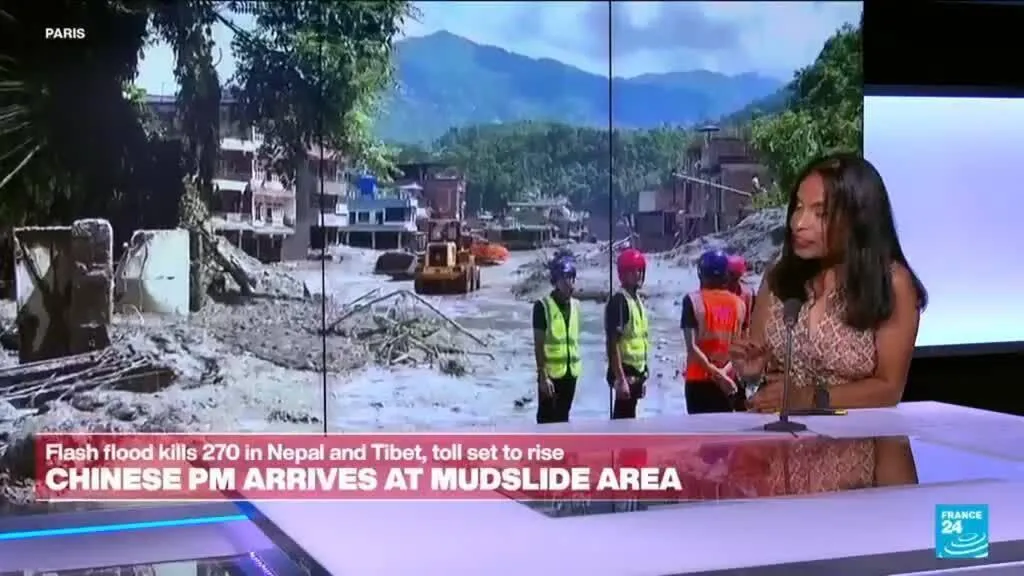
Glacial collapse, not rain, killed 180 in Nepal's Himalayan flood
The Himalaya's extreme geography hid the true cause of Nepal's catastrophic flood, a glacial collapse that turned a geological battleground into a mass-casualty zone.
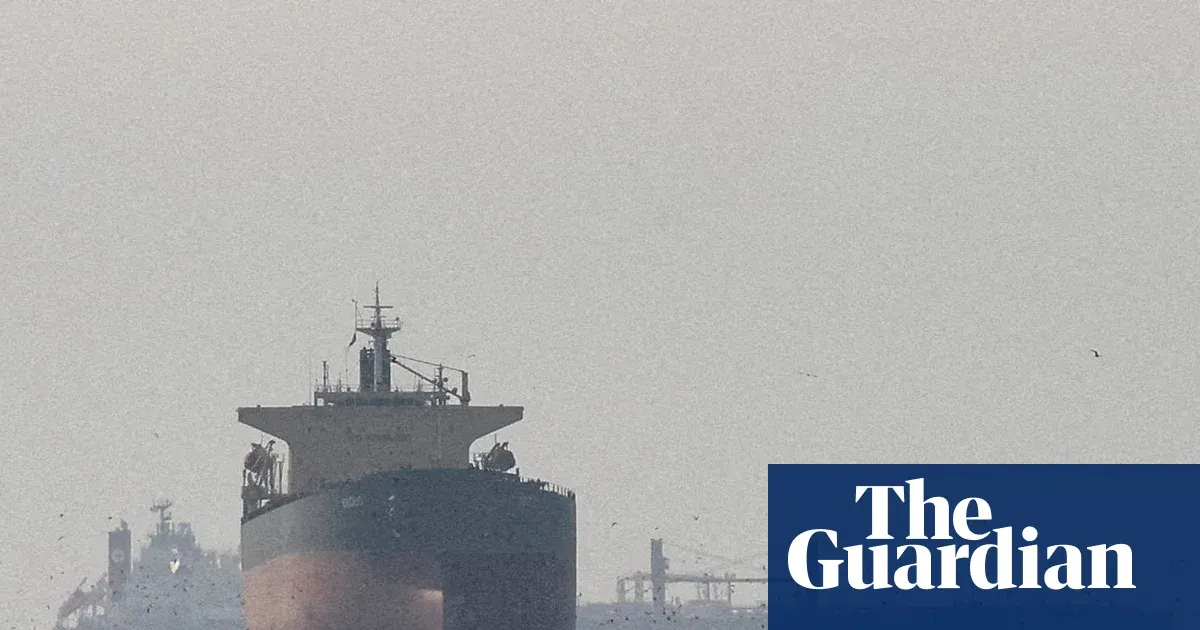
Iran’s Esmail Baghaei says Oman talks start shipping via Hormuz, not US talks yet
Temporary route plans with Oman aim to restart commerce while Tehran says Washington dialogue is not on the table.
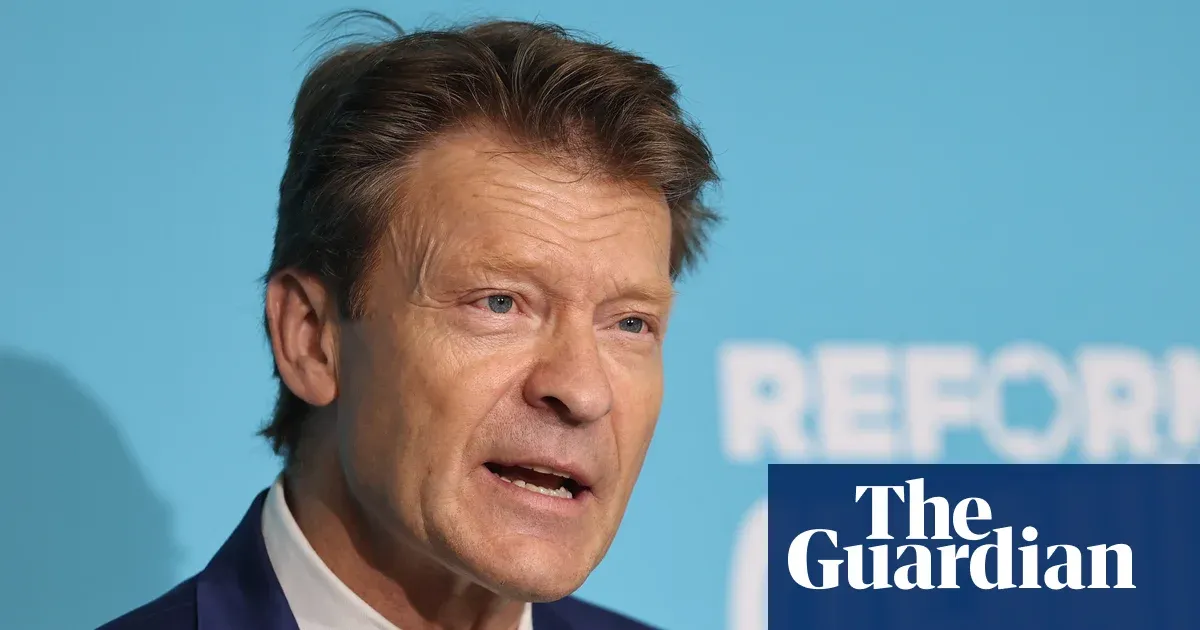
Standards watchdog opens probe into Reform UK deputy leader Richard Tice over interests
The parliamentary standards commissioner says it began an investigation on 28 July into a possible undeclared interest.