

McCaul says Lockheed should license Patriots tech for Ukraine, if Trump wants it
A senior GOP lawmaker argues Lockheed has “every interest” to comply with a Trump “license” pledge to Zelenskyy.
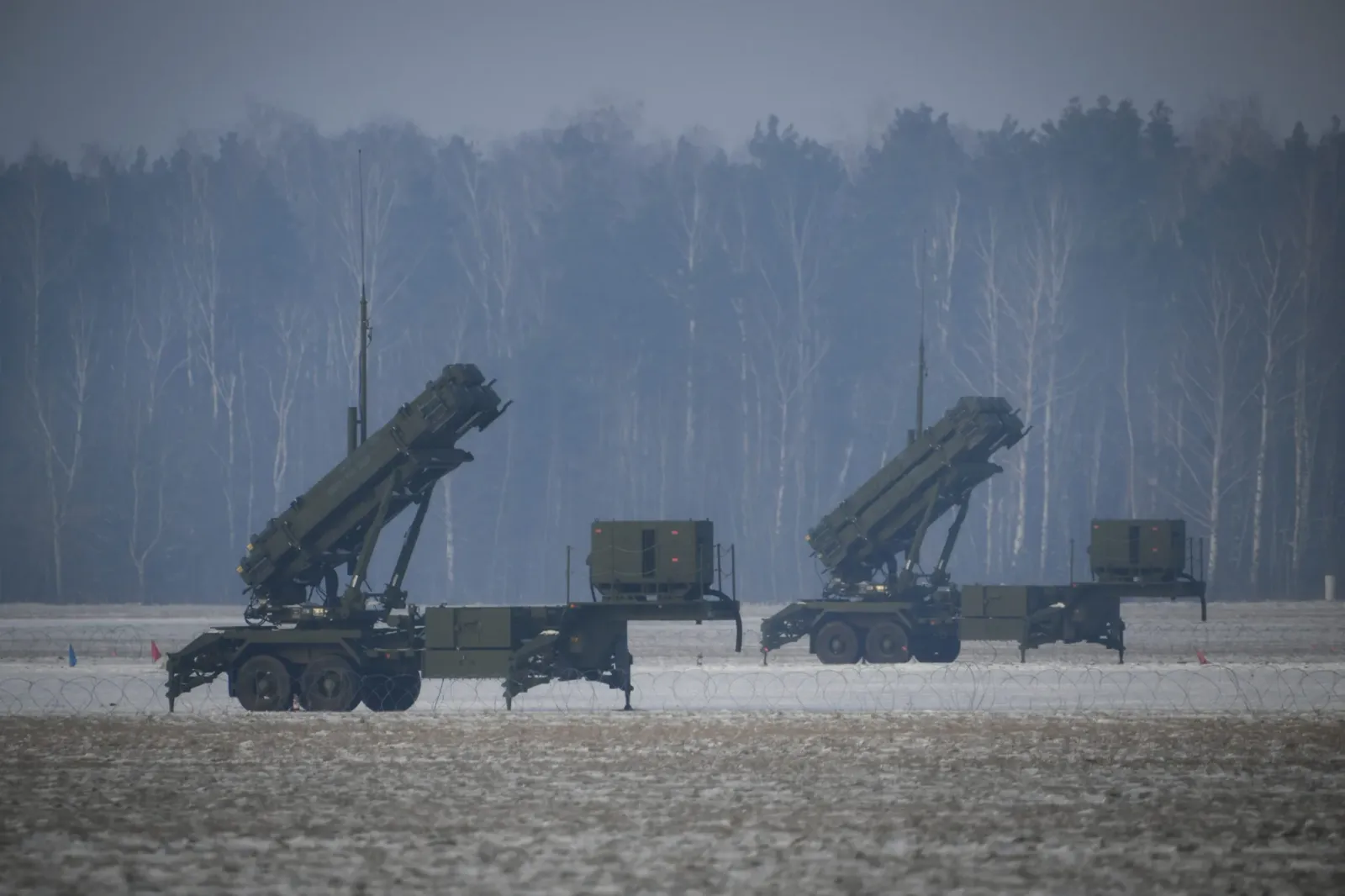
Representative Michael McCaul said Lockheed Martin should license Patriot interceptor technology for Ukraine if President Donald Trump wants it done. The consequence for decision-makers is a faster pathway to production, plus incentives for prime contractors to adapt as Ukraine accelerates.
Ukraine building Patriot missile interceptors would likely be in Lockheed Martin’s “best interest,” Representative Michael McCaul argued, linking the outcome to President Donald Trump’s pledge to grant a license. Speaking Saturday on Bloomberg This Weekend while he was in Ukraine, McCaul said Ukrainian requests for Patriots are aligned with contractor incentives, and that if the president wants it done, it is in Lockheed’s interest to comply.
McCaul’s comments come after Trump told Ukrainian President Volodymyr Zelenskyy during a meeting at a NATO summit this week that the United States would be “giving a license to you” to make Patriots. The Patriot system also includes technology from RTX Corp.’s Raytheon unit, which makes this more than a single-company question for anyone tracking US defense technology, industrial policy, or alliance procurement.
So why does McCaul think this is rational for Lockheed? He laid out a simple incentive logic: if the US administration wants licensing to happen, then Lockheed stands to benefit from completing the request rather than dragging its feet. He said, “I think it’s in their best interest to do so for many factors,” and then, when asked directly whether Lockheed would license the technology, he added, “If the president wants this done, it’s in their best interest to comply with that.” In defense systems, speed and alignment matter because demand is measured not in quarterly cycles, but in incoming missiles and the operational readiness of frontline forces.
McCaul also pointed to another incentive: learning loops. He said Ukrainians can build the system faster, “and maybe even better,” referring to Patriots. He suggested that if that happens, Lockheed could “learn something from the Ukrainians about their own interceptors,” specifically “how to improve them” and “how to manufacture them more quickly.” That is a subtle but real second-order issue for primes and their boards. When a customer gets authorization to manufacture advanced interceptors locally, the prime contractor shifts from being only a supplier to also being a partner in iterative development, manufacturing process improvements, and performance refinements. For companies, that can mean new data, new production know-how, and potentially new contract structures.
There is also the policy and regulatory framing embedded in the story. McCaul’s remarks are tied to a stated US intent to grant a license, which signals a governance question: under what legal and compliance structures can US technology be shared, and what approvals, safeguards, or contractual terms would accompany it. The source does not spell out the mechanics, but the stakes are obvious to anyone who follows defense export controls and licensing regimes. This kind of decision affects not only hardware flow, but also how contractors manage sensitive technology, how regulators ensure end-use and protection, and how alliance partners plan industrial capacity under wartime timelines.
For context, Zelenskyy has “long pleaded with the US and other allies to supply more interceptors,” according to the source. The reason is operational: Russian ballistic missile attacks have “devastated targets, including cities,” during more than four years of full-scale war. Patriots, as a missile defense system, sit at the intersection of urgent battlefield needs and constrained production capacity. That is why licensing is such a heavyweight lever. If local manufacturing is feasible, it can reduce dependency on external deliveries, shorten the path from contract to output, and help allies respond to evolving attack patterns.
In the same interview, McCaul said Ukrainian military officials briefed him on home-grown drone technology and their forces’ advances in retaking Russian-occupied territory. He did not provide details beyond that, but the juxtaposition matters. It suggests Ukraine is trying to expand the defense industrial base in multiple categories, not just interceptors. If drone production acceleration and interceptor licensing are part of the same strategic push, then Western policymakers and contractors are likely to face a new normal: more local manufacturing, more integration work, and a faster feedback cycle between front-line requirements and industrial output.
For executives at defense primes, systems houses, and adjacent suppliers, the strategic stake is straightforward: licensing decisions reshape who controls production, timelines, and improvement. If Ukraine builds Patriots faster, Lockheed’s path may include faster iteration, competitive pressure on delivery schedules, and potential restructuring of roles across supply chains. If licensing does not happen, the bottleneck likely persists, and the operational gap for interceptor availability stays painful. Either way, McCaul’s message is clear: when the White House signals intent, prime contractors have incentives to align, and boards should expect technology sharing to be a mainstream strategic lever, not an exception.
And for decision-makers across NATO and defense procurement, the takeaway is even more immediate. Trump’s “license” pledge, McCaul’s view that compliance is in Lockheed’s interest, and Zelenskyy’s long-running push all point to one urgent direction: turning permission into production, and production into defensive capacity, as quickly as compliance, regulation, and industrial realities allow.
This story's Key Insights and Take-aways are locked.
Create a free account to unlock Executive Actions for one credit.
Register to UnlockAlways free for Executives Club members. Join the Club
More in Politics

Glacial collapse, not rain, killed 180 in Nepal's Himalayan flood
The Himalaya's extreme geography hid the true cause of Nepal's catastrophic flood, a glacial collapse that turned a geological battleground into a mass-casualty zone.
Iran’s Esmail Baghaei says Oman talks start shipping via Hormuz, not US talks yet
Temporary route plans with Oman aim to restart commerce while Tehran says Washington dialogue is not on the table.

Standards watchdog opens probe into Reform UK deputy leader Richard Tice over interests
The parliamentary standards commissioner says it began an investigation on 28 July into a possible undeclared interest.