
Iran Didn’t Win the War, and the long game keeps going against Tehran
Foreign Affairs argues Tehran still loses strategically, with second-order effects rippling through regional stability and Western policy.

Foreign Affairs frames Iran's posture as a failure to secure long-term victory, despite ambitions that have often sounded louder than results. For decision-makers, the key consequence is that “wins” may not compound into durable leverage.
Foreign Affairs’ blunt headline is the whole story: Iran didn’t win the war. And the magazine’s short, pointed summary lands on the reason why that matters. Tehran is still losing the long game.
That phrase is doing heavy lifting. “The war” in public debate often gets treated like a discrete event: a battle, a deal, a decisive crackdown, a regime survival moment. But the long game is different. It is about whether today’s maneuver converts into tomorrow’s leverage, and whether the costs of action keep shrinking as influence grows. Foreign Affairs is effectively saying Iran has not made that conversion, so whatever tactical openings it has pursued, the strategic balance keeps sliding away from Tehran.
To understand why “long game” outcomes are so consequential, zoom out to how states actually compete when open war is not the primary instrument. Iran’s battlefield is typically multi-domain: political pressure, economic constraints, and the administrative machinery of sanctions and compliance, all operating over years rather than days. When an actor is “losing the long game,” it usually means it is spending real resources on efforts that fail to produce compounding gains. The budget does not disappear, the political capital does not reset, and the reputational effects do not vanish after a single headline.
This is where market context matters even for readers who never touch geopolitics day-to-day. Global finance treats country risk like a pricing system, not a moral argument. If Tehran’s trajectory remains one of strategic underperformance, counterparties price that into lending terms, contract risk, and insurance assumptions. Even when certain channels remain open, the broader environment tends to tighten. That tightening can become self-reinforcing: higher perceived risk increases the cost of doing business, which makes it harder to build resilience and sustain initiatives over time.
Sanctions and regulatory frameworks are a big part of the mechanism. International regimes often do not just punish transactions; they shape behavior through compliance incentives. Companies face legal exposure, so they respond by narrowing permissible routes, shortening counterpart risk, and demanding more transparency. When Foreign Affairs argues Tehran is still losing the long game, the implication is that these constraints are not merely “friction.” They are a governance of trade and investment that can outlast rhetorical victories.
Second-order implications show up in institutions too. Boards, cabinet-level decision groups, and inter-agency policy teams usually run on scenario planning, not certainty. They care about durability, because durability determines whether a strategy can be scaled. A party that is losing the long game forces adversaries and partners to adjust their own timelines. It can shorten the patience window for escalation, shift where resources go, and increase pressure to seek arrangements that produce measurable outcomes faster.
For Western policymakers and for firms operating in regions where enforcement risk is high, the big stake is credibility. If the long game continues to tilt away from Tehran, then the political narrative that sanctions or containment mechanisms are ineffective becomes harder to sustain. That can strengthen the case for continued pressure, or at least for pressure that is calibrated and persistent. Conversely, if Tehran’s efforts do not yield durable leverage, then negotiations, deterrence planning, and stabilization efforts must assume that the baseline is still unfavorable for Tehran.
Even for readers who primarily think in terms of business growth, the lesson transfers. The long game is the period where structure beats spectacle. A short-term outcome may look like progress, but durability is what changes incentives: it changes who invests, who signs, who trusts, and who complies. Foreign Affairs’ framing suggests Iran has not managed to translate effort into an improving trajectory. In that sense, Tehran may be active, but it is not winning.
That is the uncomfortable takeaway for decision-makers. If Iran does not win the long game, then the region’s strategic equilibrium does not reset in Tehran’s favor. External actors should plan as though leverage is not steadily accumulating for Iran, because the “war” outcome is not measured by a single moment. It is measured by whether Tehran can convert ambition into stable influence over time. Foreign Affairs is telling you: it hasn’t yet, and the long game is still going against Tehran.
This story's Key Insights and Take-aways are locked.
Create a free account to unlock Executive Actions for one credit.
Register to UnlockAlways free for Executives Club members. Join the Club
More in Politics
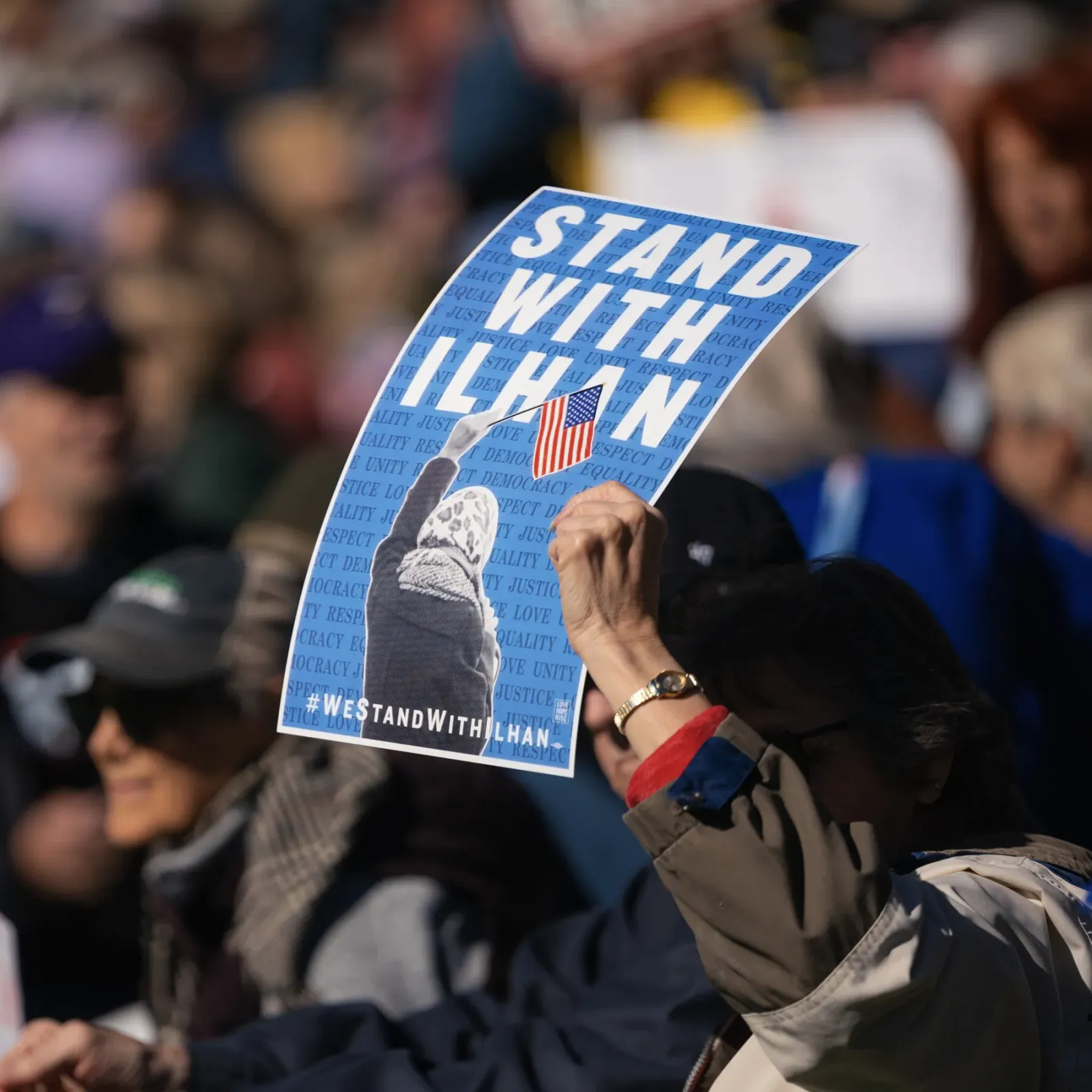
Obama Defends Ilhan Omar After Agents Search Her Home in Trump Inquiry
The former president's intervention raises the stakes in a federal probe into immigration paperwork that has put a prominent progressive lawmaker in the crosshairs.

Blair-era minister: cut welfare to fund youth job support
Alan Milburn's call for welfare cuts to fund employment support opens a Labour fight over benefits and the Neet crisis.
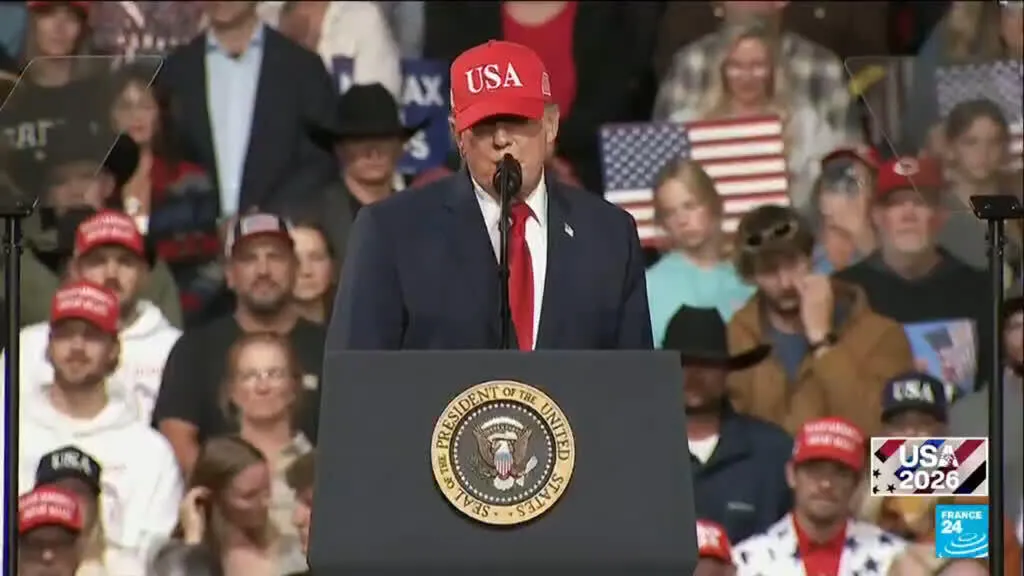
Hot September CPI: energy costs surge, voters feel the squeeze before midterms
The latest inflation print lands as Trump campaigns for GOP control of Congress, putting cost-of-living worries at the center of the midterm fight.