

Iran-linked cyberattacks widen, hitting Michigan and Minnesota water systems nationwide
At least seven states are dealing with attacks aimed at disrupting drinking-water systems, and the evidence points to Iran.
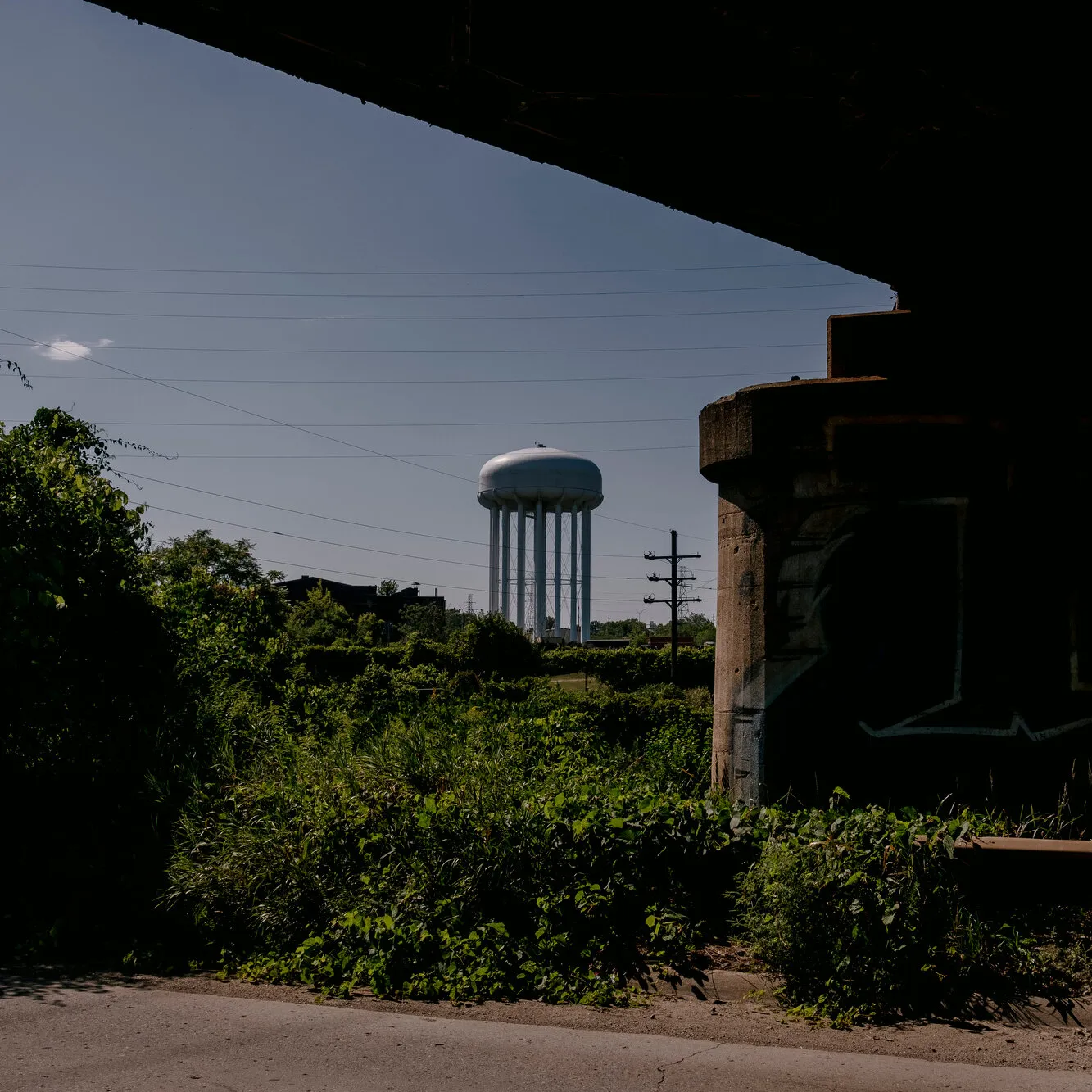
Michigan and Minnesota are among at least seven states coping with cyberattacks aimed at disrupting water systems nationwide. Evidence in the coverage points to Iran, raising the stakes for public-sector and private operators alike.
Cyberattacks targeting U.S. water systems are no longer a niche fear reserved for security teams. Michigan and Minnesota are among at least seven states coping with cyberattacks aimed at disrupting water systems nationwide, and the evidence points to Iran. That combination matters: it suggests a widening operational footprint and a state-level adversary, not a one-off incident.
For decision-makers, the immediate question is whether this is a “we got hit” problem or a “we all share the same weak spots” problem. When multiple states report similar disruptions targeting drinking-water systems, it turns local incident response into a national resilience exercise. Michigan and Minnesota are tangible examples in the story, but they are framed as part of at least seven states dealing with the same kind of threat: disruption of water systems.
To understand why this is such a big deal, it helps to remember how water infrastructure is typically run. Water utilities, especially at the state and municipal level, tend to blend legacy operational technology with newer business systems. That creates friction in security: patching can be slower because systems are tied to physical processes, and downtime is not always an option. Meanwhile, the attackers are not just trying to steal data. The reported goal is disrupting water systems. Even if the impact is temporary, the operational and political consequences can be immediate.
The “evidence points to Iran” detail shifts the threat model again. A state-linked actor implies resources, persistence, and a broader strategy than a random criminal campaign. It also changes how boards and executives should think about prioritization. When the adversary is plausibly tied to a nation state, you can expect attempts to scale, repeat, and test defenses across regions. In other words, the next incident is not a question of if, but how quickly improvements are adopted and whether defenses become standardized enough to withstand variation across local operators.
Regulators and oversight bodies tend to approach infrastructure cybersecurity with a mix of risk-based mandates and incident-driven scrutiny. The more the attacks expand geographically, the more pressure rises for consistent baseline requirements across jurisdictions. For utilities and any vendors or operators that support them, this can drive requirements for stronger monitoring, better incident reporting, and tighter segmentation between systems that control physical water processes and systems used for administration. Even where mandates are still evolving, a pattern across multiple states is the kind of evidence that accelerates enforcement and funding debates.
There is also a governance angle that matters inside organizations. When a cyber incident touches a critical service like water, responsibility stretches across stakeholders: utility leadership, city or state officials, third-party service providers, cybersecurity teams, and sometimes law enforcement. Multiple states reporting similar attacks creates a coordination challenge, especially when each jurisdiction may have different contracts, different technical stacks, and different incident response capabilities. Boards overseeing utilities, infrastructure investors, or companies that sell tools to utilities should treat this as a stress test of decision speed: How fast can leadership escalate, how quickly can they verify whether disruption is ongoing, and how effectively can they communicate with regulators and the public.
Second-order implications show up in procurement and enterprise risk management. If attacks are aimed at disrupting water systems nationwide, then cybersecurity is no longer an IT cost center. It becomes part of operational continuity and reputational risk. Executives should expect customers, counterparties, and government partners to ask harder questions about controls, logging, and resilience practices. The story’s emphasis on Michigan and Minnesota, framed among at least seven states, signals that this scrutiny will likely expand beyond one locality.
Strategically, the stake for peers is straightforward: if multiple states are hit, the shared vulnerabilities are probably not isolated. That means leadership should focus less on a single incident playbook and more on how quickly systems can be hardened across portfolios and partners. The coverage points to a clear threat intent, disrupting water systems, and connects it to Iran. For executives and boards, that is a mandate to prepare for escalation, standardize defenses where possible, and close gaps that attackers can exploit across the broader water ecosystem.
This story's Key Insights and Take-aways are locked.
Create a free account to unlock Executive Actions for one credit.
Register to UnlockAlways free for Executives Club members. Join the Club
More in Politics
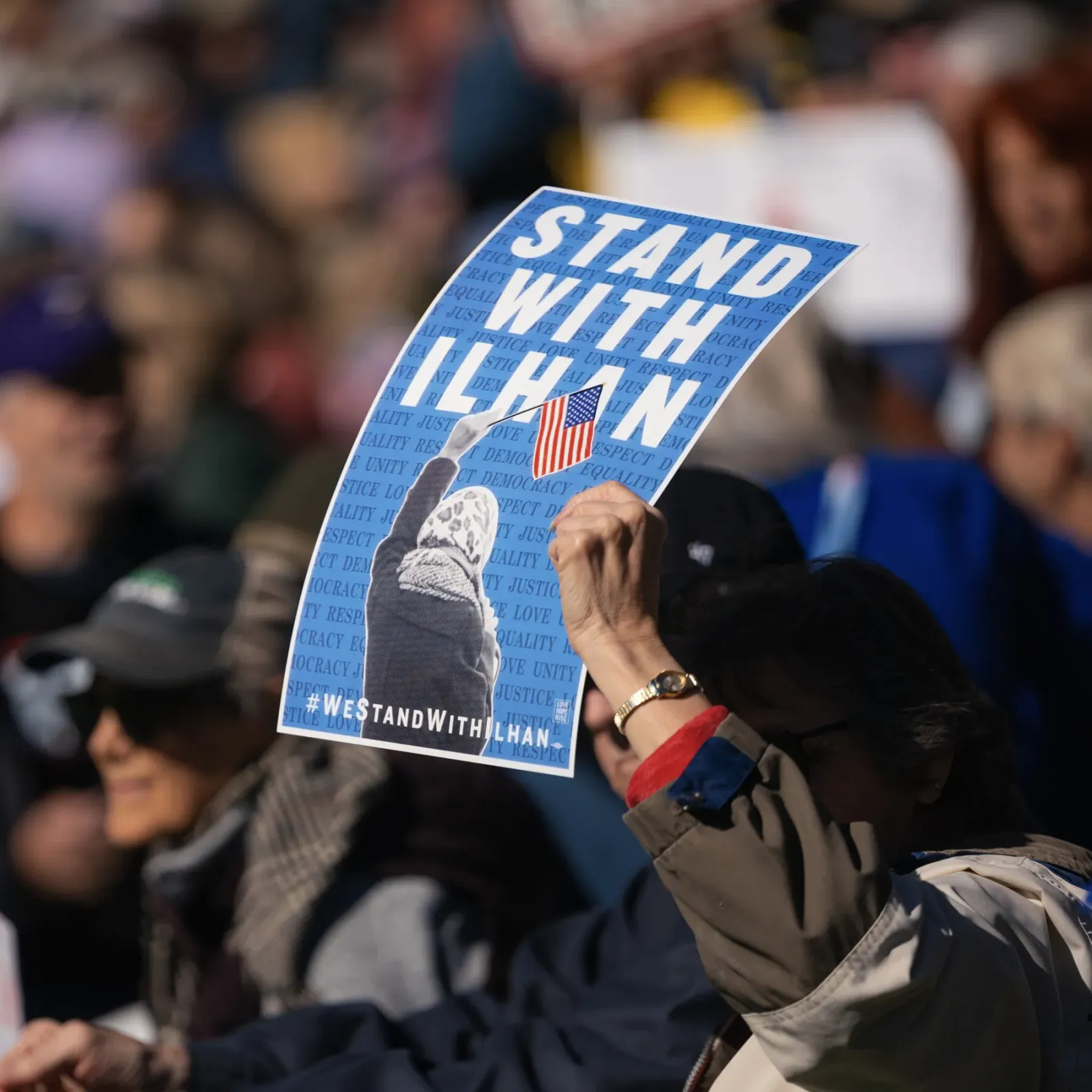
Obama Defends Ilhan Omar After Agents Search Her Home in Trump Inquiry
The former president's intervention raises the stakes in a federal probe into immigration paperwork that has put a prominent progressive lawmaker in the crosshairs.

Blair-era minister: cut welfare to fund youth job support
Alan Milburn's call for welfare cuts to fund employment support opens a Labour fight over benefits and the Neet crisis.

Hot September CPI: energy costs surge, voters feel the squeeze before midterms
The latest inflation print lands as Trump campaigns for GOP control of Congress, putting cost-of-living worries at the center of the midterm fight.